Diabetes is one of the fastest-growing health conditions in the world, affecting millions of people across all age groups. What makes this disease particularly concerning is that many people develop symptoms gradually and may not realize anything is wrong until serious complications begin to appear.
The good news is that diabetes often provides warning signs before it reaches an advanced stage. Recognizing these early symptoms can help you seek medical attention sooner, improve blood sugar control, and reduce the risk of long-term health problems.
Diabetes occurs when the body cannot properly regulate blood sugar (glucose). This may happen because the pancreas does not produce enough insulin or because the body’s cells become resistant to insulin’s effects. As glucose builds up in the bloodstream, it can begin to affect multiple organs and systems throughout the body.
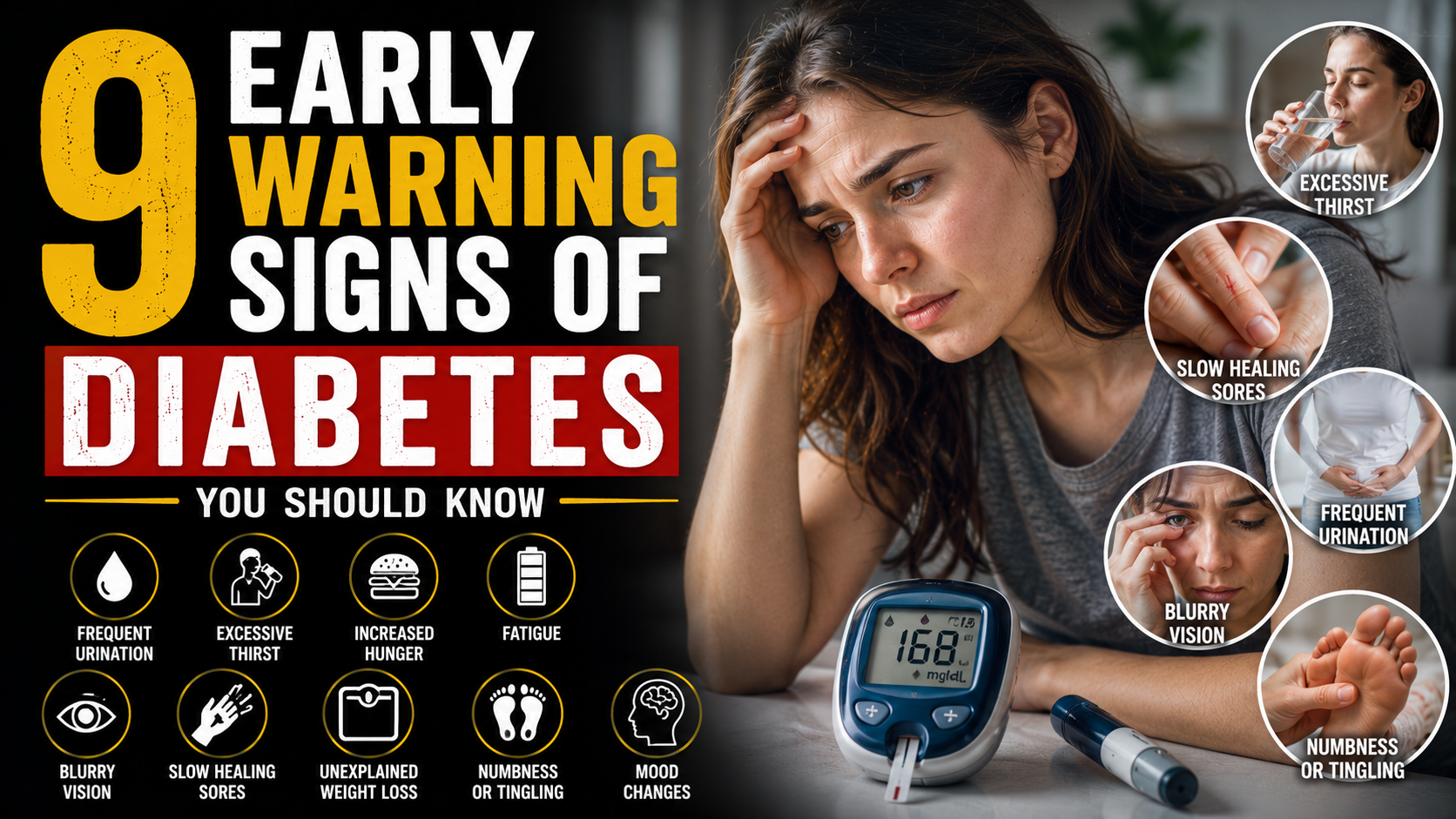
While symptoms can vary from person to person, there are several common warning signs that should never be overlooked. Here are nine early signs of diabetes that everyone should know.
1. Constant Thirst and Dry Mouth
One of the earliest and most common symptoms of diabetes is excessive thirst, medically known as polydipsia.
When blood sugar levels become too high, the kidneys work overtime to remove excess glucose from the bloodstream. To accomplish this, they pull additional water from the body’s tissues. As a result, you may become dehydrated more quickly than usual.
Many people experiencing this symptom notice that they:
- Feel thirsty throughout the day
- Wake up during the night needing water
- Experience persistent dry mouth
- Never feel fully hydrated despite drinking plenty of fluids
While occasional thirst is normal, especially during hot weather or after exercise, constant and unexplained thirst may indicate a blood sugar problem that deserves medical attention.
2. Frequent Urination
Excessive urination often accompanies increased thirst and is another classic early sign of diabetes.
When blood sugar rises above normal levels, the kidneys attempt to remove the excess glucose through urine. This process causes the body to produce more urine than usual.
You may notice that you:
- Need to urinate more frequently during the day
- Wake up multiple times at night to use the bathroom
- Experience sudden urgency
- Produce larger amounts of urine than normal
Frequent nighttime urination can be particularly disruptive, affecting sleep quality and overall energy levels.
Many people dismiss this symptom as a natural consequence of drinking more water, but when combined with excessive thirst, it may signal underlying diabetes.
3. Unexplained Fatigue
Everyone feels tired occasionally, but diabetes-related fatigue tends to be different.
Glucose serves as the body’s primary source of energy. When insulin isn’t working properly, glucose cannot efficiently enter cells where it is needed for fuel. As a result, your body may struggle to generate energy even when you’ve eaten enough food.
People with undiagnosed diabetes often report:
- Feeling exhausted despite adequate sleep
- Difficulty concentrating
- Low motivation
- Physical weakness
- Mental fogginess
In addition, dehydration caused by frequent urination can further contribute to feelings of fatigue.
If you’re constantly tired without a clear explanation, it may be worth discussing your symptoms with a healthcare provider.
4. Increased Hunger
Another early sign of diabetes is excessive hunger, known medically as polyphagia.
Even though there may be plenty of sugar circulating in the bloodstream, the body’s cells may not be receiving the energy they need. This can trigger persistent feelings of hunger as the body attempts to compensate.
Individuals experiencing this symptom may find themselves:
- Feeling hungry shortly after eating
- Craving carbohydrates and sugary foods
- Eating larger portions than usual
- Struggling to feel satisfied after meals
This increased appetite often occurs alongside fatigue because the body is essentially being deprived of usable fuel despite having high blood sugar levels.
Persistent hunger should not automatically be attributed to stress, boredom, or lifestyle factors, especially when accompanied by other diabetes symptoms.
5. Unexplained Weight Loss
Many people assume weight loss is always a positive sign, but sudden or unexplained weight loss can sometimes indicate a health problem.
In people with uncontrolled diabetes, the body may begin breaking down muscle tissue and fat stores for energy because it cannot properly use glucose.
This can result in noticeable weight loss without any changes in:
- Diet
- Exercise habits
- Physical activity levels
- Lifestyle routines
Losing several pounds over a short period without trying should always be investigated by a healthcare professional.
While this symptom is more commonly associated with Type 1 diabetes, it can also occur in people with Type 2 diabetes.
6. Blurred Vision
Vision changes are another warning sign that often develops when blood sugar levels remain elevated.
High glucose levels can affect fluid balance within the eyes, causing the lenses to swell slightly. This temporary change may make it difficult to focus clearly.
Common visual symptoms include:
- Blurry vision
- Difficulty reading small text
- Trouble focusing on distant objects
- Fluctuating eyesight throughout the day
Many people mistakenly assume they simply need a stronger eyeglass prescription.
Although blurred vision caused by diabetes may improve once blood sugar is controlled, prolonged high glucose levels can eventually damage blood vessels in the retina, potentially leading to more serious eye complications.
For this reason, any sudden or unexplained changes in vision should be taken seriously.
7. Slow-Healing Cuts and Wounds
The body’s ability to heal depends on healthy circulation, proper immune function, and adequate nutrient delivery. Diabetes can interfere with all of these processes.
Elevated blood sugar can damage blood vessels and reduce blood flow, making it more difficult for wounds to heal efficiently.
Warning signs may include:
- Cuts that take weeks to heal
- Frequent skin infections
- Persistent sores
- Slow recovery from minor injuries
- Recurring foot wounds
This symptom is especially important because delayed healing can increase the risk of infection and other complications.
People with diabetes should pay particular attention to foot care, as foot ulcers remain one of the most common diabetes-related complications.
8. Tingling or Numbness in the Hands and Feet
Nerve damage can begin developing even before diabetes is formally diagnosed.
When blood sugar remains elevated for extended periods, nerves may become damaged, leading to a condition known as diabetic neuropathy.
Early symptoms often include:
- Tingling sensations
- Burning feelings
- Numbness
- Sharp pains
- Increased sensitivity to touch
These symptoms usually begin in the feet and legs before progressing to the hands and arms.
Many individuals initially dismiss these sensations as poor circulation or temporary discomfort. However, persistent numbness or tingling should never be ignored.
Early detection and blood sugar management may help slow or prevent further nerve damage.
9. Frequent Infections
High blood sugar can weaken the immune system, making it more difficult for the body to fight off bacteria, viruses, and fungi.
As a result, people with diabetes may experience more frequent infections than usual.
Common examples include:
- Urinary tract infections
- Skin infections
- Gum disease
- Yeast infections
- Respiratory infections
Elevated glucose levels can also create an environment where certain microorganisms thrive, increasing susceptibility to infection.
If you find yourself dealing with recurring infections despite otherwise good health, diabetes could be an underlying factor worth investigating.
Who Is Most at Risk?
Although anyone can develop diabetes, certain factors increase the likelihood of developing the condition.
Risk factors include:
- Being overweight or obese
- Having a family history of diabetes
- Physical inactivity
- High blood pressure
- High cholesterol levels
- Being over age 45
- Previous gestational diabetes
- Polycystic ovary syndrome (PCOS)
- Smoking
Understanding your personal risk factors can help you take preventive action before symptoms develop.
When Should You See a Doctor?
If you notice one or more of the symptoms discussed above, especially in combination, it’s important to schedule a medical evaluation.
Simple blood tests can help determine whether your blood sugar levels are within a healthy range. Early diagnosis allows for earlier treatment and significantly reduces the risk of complications affecting the heart, kidneys, nerves, eyes, and blood vessels.
The earlier diabetes is identified, the easier it is to manage effectively.
Preventing Type 2 Diabetes
While not all forms of diabetes can be prevented, many cases of Type 2 diabetes can be delayed or avoided through healthy lifestyle choices.
Some of the most effective prevention strategies include:
- Maintaining a healthy weight
- Exercising regularly
- Eating a balanced diet rich in vegetables, fruits, and whole grains
- Limiting sugary beverages
- Avoiding tobacco use
- Managing stress levels
- Getting adequate sleep
- Monitoring blood pressure and cholesterol
Even modest improvements in lifestyle habits can significantly reduce diabetes risk over time.
Final Thoughts
Diabetes rarely appears overnight. In many cases, the body begins sending warning signals months or even years before the condition is diagnosed. Persistent thirst, frequent urination, unexplained fatigue, increased hunger, weight loss, blurred vision, slow-healing wounds, numbness, and recurring infections are all signs that should not be ignored.
Recognizing these symptoms early can make a tremendous difference. Prompt medical evaluation, lifestyle changes, and appropriate treatment can help control blood sugar levels and prevent serious long-term complications.
Your body often gives you clues when something isn’t right. Paying attention to those signals could be one of the most important steps you take for your long-term health.







