
Our bodies are constantly communicating with us. Sometimes the message is obvious—a fever, a cough, or a runny nose can quickly signal that something isn’t right. Other times, however, the signs are much more subtle and easy to dismiss.
Small changes in your body may seem harmless at first, but they can occasionally point to underlying health concerns that deserve attention. While these symptoms don’t automatically mean something serious is wrong, recognizing them early can help you address potential issues before they become bigger problems.
Here are 10 often-overlooked signs that may indicate your body is asking for help.
1. Strange Sensations or an Urge to Move Your Legs

Do you ever experience a crawling, tingling, aching, or pulling sensation in your legs, especially when you’re trying to relax or sleep?
This could be a sign of Restless Legs Syndrome (RLS), a neurological condition that creates an irresistible urge to move the legs. Symptoms often become more noticeable during the evening or at bedtime and may interfere with sleep quality.
Many people describe the sensation as:
- Crawling
- Tingling
- Itching
- Aching
- Throbbing
- Electric-like feelings
Walking, stretching, or moving the legs often provides temporary relief. While the condition can be frustrating, treatments ranging from lifestyle changes to medications may help manage symptoms.
2. Thickened, Itchy, or Unusual Skin Changes
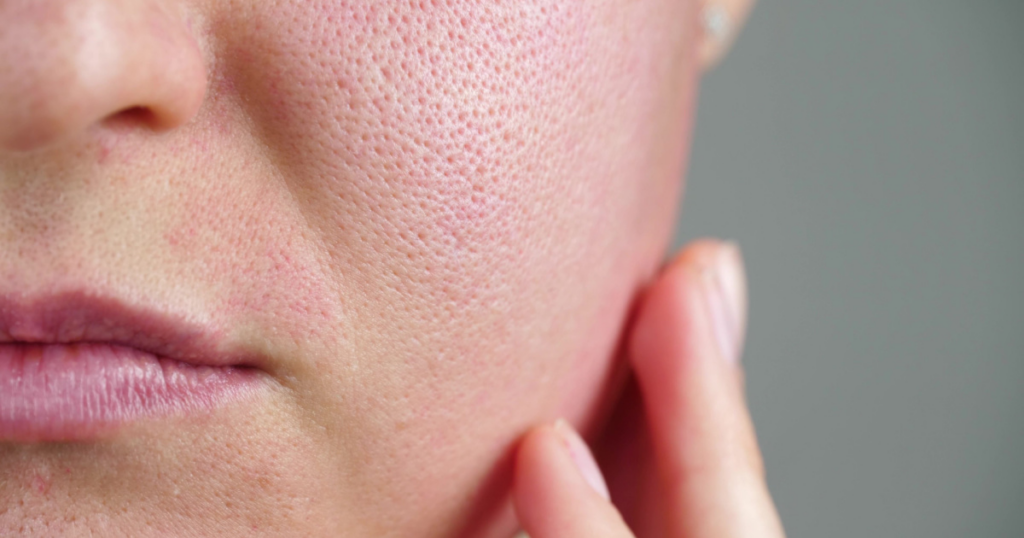
Your skin is the body’s largest organ, and it can reveal a lot about your overall health.
If you notice patches of skin becoming unusually thick, red, rough, or itchy, it may be worth discussing with a healthcare professional. Certain skin conditions, hormone imbalances, and autoimmune disorders can cause noticeable changes in skin texture.
Persistent skin changes shouldn’t be ignored, especially when they appear suddenly or continue to worsen over time.
3. Changes in Handwriting, Smell, or Sleep Patterns

Some of the earliest warning signs of neurological disorders can be surprisingly subtle.
For example, shrinking handwriting, a reduced sense of smell, unusual dreams, or sleep disturbances may appear years before more recognizable symptoms develop.
While these symptoms alone don’t necessarily indicate a serious condition, they are worth monitoring, particularly if they occur alongside tremors, stiffness, balance problems, or slowed movement.
4. Frequent Anger or Unexpected Irritability

Everyone experiences frustration from time to time. However, persistent anger, hostility, or emotional outbursts over minor issues may sometimes indicate an underlying mental health concern.
Many people associate depression with sadness, but it can also present as irritability, resentment, or difficulty controlling emotions.
If feelings of anger seem overwhelming or disproportionate to situations, speaking with a mental health professional may provide valuable insight and support.
5. Sleeping Excessively

Getting enough sleep is essential for good health, but sleeping significantly longer than normal or feeling constantly tired despite adequate rest may indicate an underlying issue.
Excessive sleepiness can sometimes be linked to conditions such as:
- Depression
- Sleep disorders
- Neurological conditions
- Chronic fatigue
- Certain medications
If you frequently struggle to stay awake during the day or feel exhausted regardless of how much you sleep, it’s worth discussing with your healthcare provider.
6. A Gray or White Ring Around the Eye
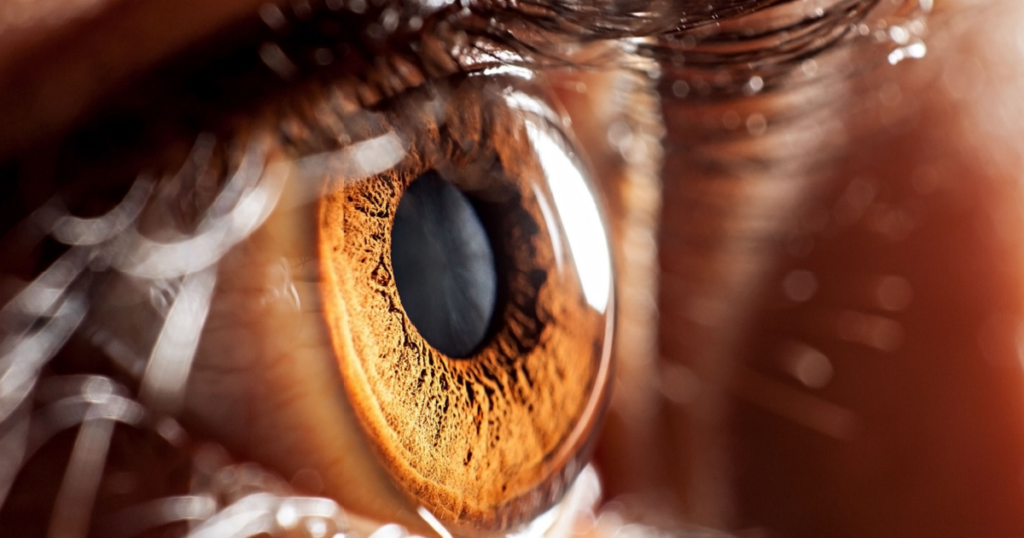
A grayish ring forming around the colored part of the eye can be a natural part of aging. However, in some cases, it may be associated with elevated cholesterol levels.
This ring, often referred to as arcus senilis, is usually harmless on its own. Still, if it appears at a younger age, it may warrant further evaluation to rule out cardiovascular risk factors.
Regular health screenings can help identify whether cholesterol management is necessary.
7. Intense Cravings for Salty Foods

Occasional cravings for chips, fries, or salty snacks are perfectly normal. However, persistent and intense salt cravings may sometimes indicate a deeper issue.
In certain cases, excessive salt cravings have been linked to:
- Hormonal imbalances
- Adrenal gland disorders
- Electrolyte disturbances
- Certain inherited conditions
If these cravings seem unusual or occur alongside fatigue, dizziness, or other symptoms, medical advice may be beneficial.
8. Fatigue, Forgetfulness, and Low Energy

Feeling unusually tired, mentally foggy, or forgetful can affect every aspect of daily life.
While stress and lack of sleep are common causes, these symptoms may also be linked to thyroid dysfunction. When the thyroid gland doesn’t produce enough hormones, metabolism slows down, potentially leading to:
- Constant fatigue
- Weight gain
- Memory problems
- Sensitivity to cold temperatures
- Dry skin and hair
- Mood changes
A simple blood test can often determine whether thyroid function is contributing to these symptoms.
9. Constant Thirst That Won’t Go Away

Feeling thirsty after exercise or on a hot day is normal. Constant, excessive thirst that doesn’t improve after drinking fluids is not.
This symptom, known medically as polydipsia, may occur alongside:
- Dry mouth
- Frequent urination
- Fatigue
- Blurred vision
Persistent thirst can sometimes be associated with high blood sugar levels and other metabolic conditions. If it continues for an extended period, it’s important to seek medical evaluation.
10. Craving Ice Constantly

Many people enjoy chewing ice occasionally, but an ongoing urge to crunch ice throughout the day may be more than just a habit.
This condition, called pagophagia, is commonly associated with iron deficiency and certain forms of anemia.
Fortunately, a simple blood test can identify whether a nutritional deficiency is the cause. If so, treatment often helps eliminate the craving while improving energy levels and overall health.
Listen When Your Body Speaks
Your body has an incredible way of alerting you when something needs attention. While these signs don’t always indicate a serious problem, they shouldn’t be ignored if they persist or worsen over time.
The earlier a health issue is identified, the easier it is often to manage and treat. Paying attention to subtle changes in your body, scheduling regular checkups, and seeking medical advice when something feels unusual can go a long way toward protecting your long-term health.
Trust your instincts—you know your body better than anyone else. If something doesn’t feel right, it’s always worth investigating.
Sources
- “Restless legs syndrome.” Mayo Clinic.
- “Health Content A_Z.” Right Diagnosis.
- “Pityriasis rubra pilaris.” Derm Net NZ. Vanessa Ngan.
- “Parkinson’s Disease.” NIH.
- “Depression is More Than Just Sadness: A Case of Excessive Anger and Its Management in Depression.” NCBI. Anamika Sahu, et al.
- “Hypersomnia Information PageHypersomnia Information Page.” NINDS.
- “Diagnosis.” Medical News Today. Bethany Cadman.
- “Cystic fibrosis.” Medical News Today. Jennifer Berry.
- “Thyroid Disease.” Cleveland Clinic.
- “When to see a doctor.” Medical News Today. Brenda McBean.
- “Pagophagia – A Common but Rarely Reported Form of Pica.” NCBI. M.S Bhatia, Nirmaljit Kaur.







