For most people, home is more than just a place to live—it’s a sanctuary, a place of comfort, and a reflection of personal care. Yet many homeowners unknowingly make simple mistakes that can lead to costly repairs, unnecessary wear and tear, or even health concerns over time.
The good news is that most of these problems are easy to avoid once you’re aware of them. Here are 12 common habits that could be harming your home and what you can do instead.
1. Using Cleaning Products on the Wrong Surfaces
Not all cleaning products are created equal. While many cleaners advertise themselves as “multi-purpose,” they can still damage certain materials if used incorrectly.
A common example is toilet bowl cleaner. Although it may seem effective for removing stains from grout, its strong acidic ingredients can gradually break down caulking and grout lines, causing long-term damage.
For stubborn grout stains, consider a gentler homemade cleaner:
- ½ cup baking soda
- ¼ cup hydrogen peroxide
- 1 tablespoon dish soap
Apply the mixture, allow it to sit for at least five minutes, then scrub gently with an old toothbrush or grout brush before rinsing.
2. Spraying Cleaner Directly onto Surfaces
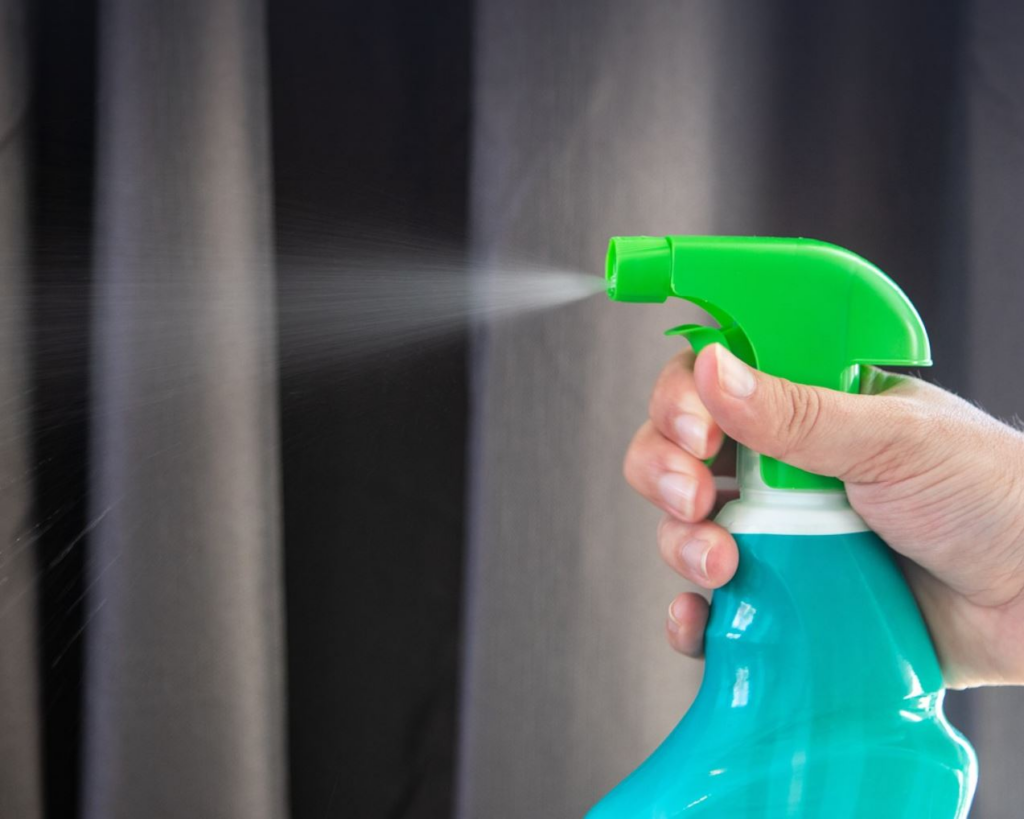
If your countertops, appliances, or floors often feel sticky after cleaning, the cleaner itself may be the problem.
Spraying products directly onto surfaces can leave behind residue that attracts dirt and dust. Instead, spray the cleaner onto a microfiber cloth or mop first, then wipe the surface. This method provides better control and helps prevent buildup.
3. Walking Around While Still Wet
After a shower, many people step out and continue drying off as they walk through the house. While it may seem harmless, dripping water can gradually damage flooring.
Moisture can seep into cracks, warp flooring materials, and create conditions where mold and mildew thrive. Taking an extra minute to dry off completely before leaving the bathroom can help protect your floors for years to come.
4. Using Too Much Water on Hardwood Floors

Hardwood floors add warmth and beauty to a home, but they don’t respond well to excessive moisture.
Overly wet mops can cause wood to swell, warp, and lose its finish. When cleaning hardwood, use a cleaner specifically designed for wood surfaces and a lightly damp mop rather than soaking the floor with water.
Less moisture means longer-lasting floors.
5. Forgetting to Use Exhaust Fans

Bathroom and kitchen exhaust fans do much more than remove odors.
They help eliminate excess humidity, reduce condensation, and prevent mold growth. Every time you shower, cook, or boil water, moisture accumulates indoors. Without proper ventilation, that moisture can settle on walls, ceilings, and fixtures.
Running your exhaust fan during and after showers or cooking sessions can significantly reduce moisture-related problems.
6. Ignoring Hidden Moisture Hotspots
Bathrooms aren’t the only places where moisture collects.
Items such as toothbrush holders, soap dishes, and toilet brush containers often stay damp for long periods, creating ideal conditions for bacteria and mold growth.
The same applies to towels, bath mats, and kitchen cloths. Instead of tossing them into a pile while damp, hang them up to dry properly. Regular washing and sanitizing can help keep harmful microorganisms under control.
7. Using Vinegar Everywhere

Vinegar is often praised as a natural cleaning solution, but it isn’t suitable for every surface.
Its acidic nature can damage:
- Granite and natural stone countertops
- Rubber seals in appliances
- Dishwasher components
- Certain hardwood finishes
Before cleaning with vinegar, make sure the surface can safely tolerate acidic products.
8. Making the Bed Immediately After Waking Up
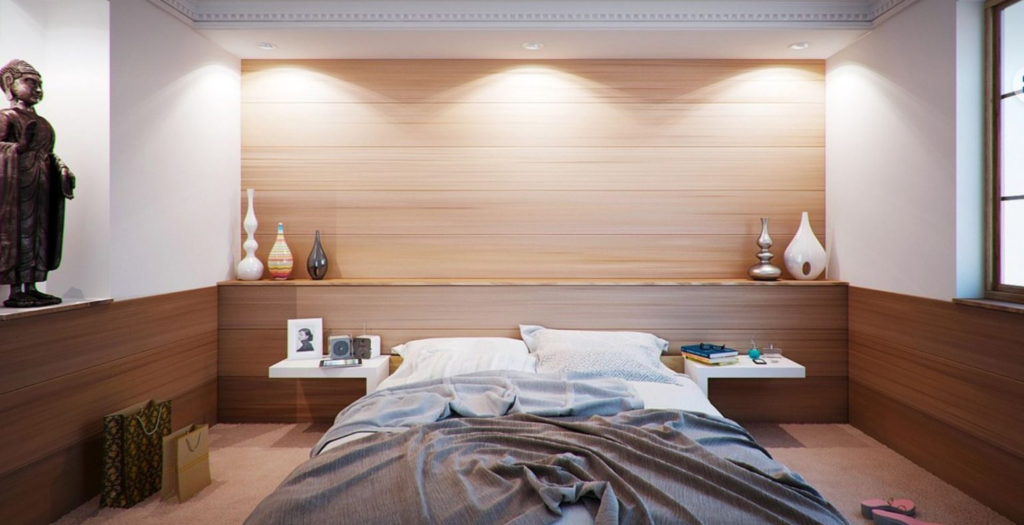
Making the bed is a great habit, but doing it the moment you get up may not be ideal.
During sleep, body heat and perspiration create moisture within bedding. Pulling the covers up immediately traps that moisture, creating an environment where bacteria and dust mites can flourish.
Allow your bed to air out for 20 to 30 minutes before making it. This simple step helps keep bedding fresher and cleaner.
9. Relying on Dirty Sponges
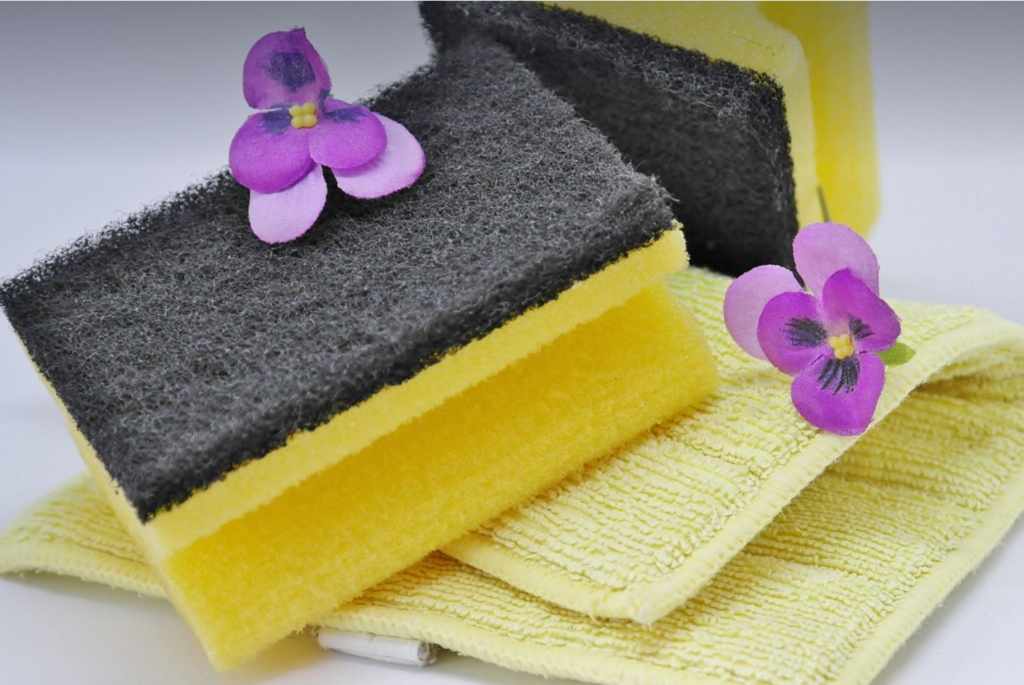
Kitchen sponges are notorious for harboring bacteria.
Because they stay damp and frequently come into contact with food particles, they can quickly become one of the dirtiest items in your home.
Replace sponges regularly and disinfect them frequently. For sanitizing cutting boards and food-preparation surfaces, hydrogen peroxide can be a more effective option because it helps kill bacteria without spreading contamination.
10. Letting Sunlight Damage Your Furniture

Natural sunlight brightens a room and improves mood, but prolonged exposure can damage household furnishings.
Over time, ultraviolet rays can:
- Fade fabrics
- Discolor wood
- Weaken upholstery
- Damage flooring
If a room receives strong sunlight throughout the day, consider closing blinds or curtains when you’re away to protect your furniture and décor.
11. Sweeping Instead of Vacuuming
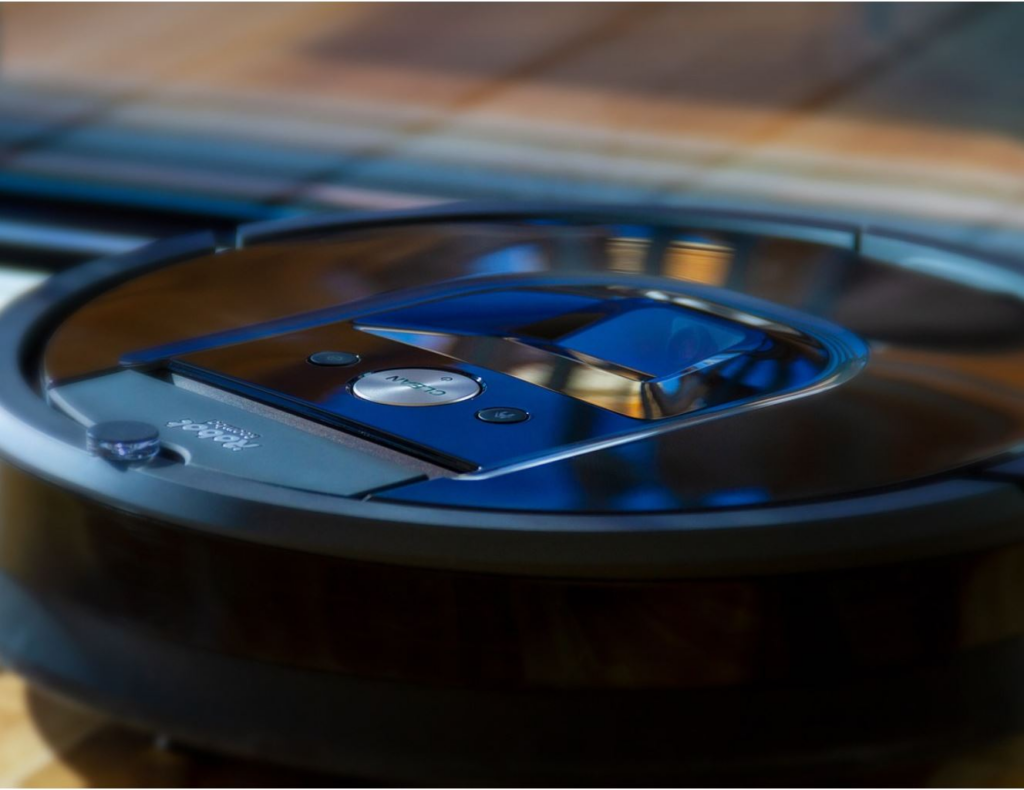
While sweeping removes visible dirt, it often stirs dust and allergens back into the air.
Vacuum cleaners are generally more effective because they capture fine dust, pet hair, and debris rather than simply moving them around.
Even on hard flooring surfaces, a vacuum equipped with the appropriate setting can provide a deeper clean while improving indoor air quality.
12. Overstuffing Storage Areas

It’s tempting to maximize every closet, cabinet, and storage space, but overcrowding can create unexpected problems.
Packed storage areas restrict airflow, which can trap humidity and encourage mold growth. Excess weight can also strain shelving systems and even damage drywall over time.
Keeping closets and storage areas organized and moderately filled allows air to circulate properly and helps preserve the structure of your home.
Final Thoughts
Maintaining a clean and healthy home isn’t always about major renovations or expensive upgrades. Often, it’s the small daily habits that make the biggest difference.
By avoiding these common household mistakes, you can protect your floors, furniture, appliances, and indoor air quality while extending the life of your home’s most valuable features.
A little prevention today can save a lot of money, time, and frustration in the future.
Sources
- “Little Things You Do That Might Be Ruining Your Home.” IWSMM
- “How to Clean Grout | DIY Grout Cleaner.” Simple Home Place. Arica.







