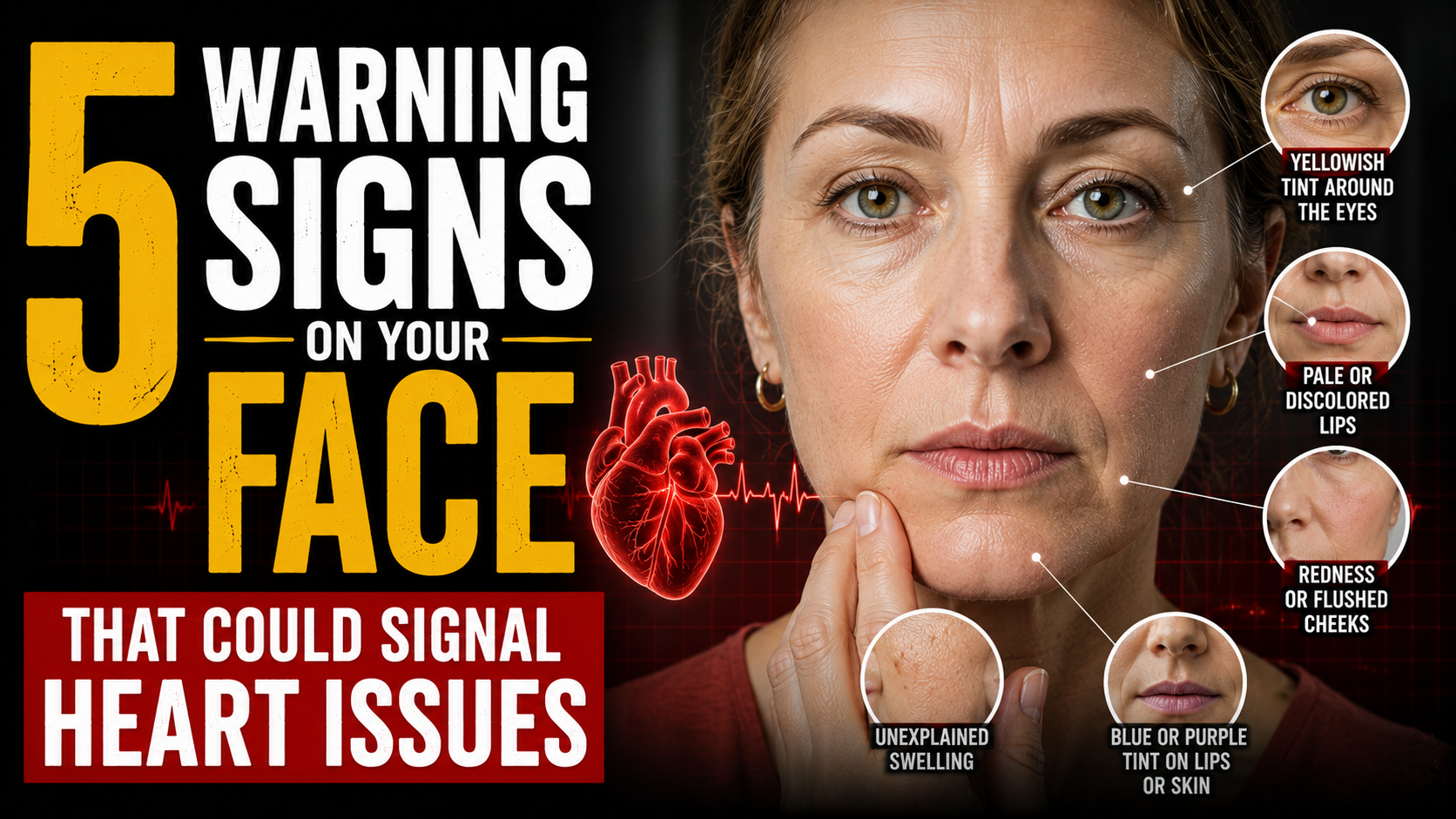
When most people think about heart disease, symptoms like chest pain, shortness of breath, or fatigue usually come to mind. However, your face and head may also provide important clues about your cardiovascular health long before more serious symptoms appear.
While these physical signs are not enough to diagnose heart disease on their own, they can sometimes indicate underlying conditions that deserve medical attention. Paying attention to these subtle changes may help you identify potential problems early and take steps to protect your heart.
1. Yellow Cholesterol Deposits Around the Eyes
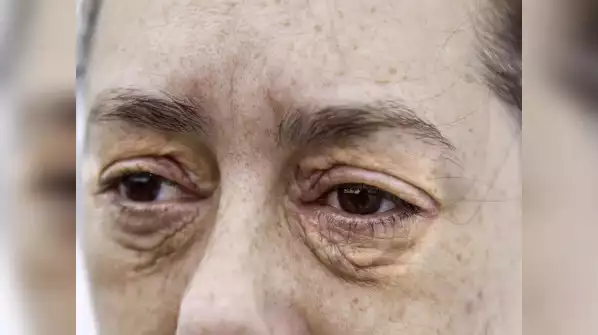
Small yellowish patches that develop around the eyelids may be more than a cosmetic concern. These deposits, known as xanthelasma, are made up of cholesterol-rich fatty substances that collect beneath the skin.
Although xanthelasma itself is usually harmless, it can be a warning sign of unhealthy cholesterol levels and other lipid disorders. Elevated cholesterol can contribute to plaque buildup inside the arteries, reducing blood flow and increasing the risk of cardiovascular disease.
Over time, cholesterol accumulation in blood vessels can raise the likelihood of:
- Heart attacks
- Strokes
- Peripheral artery disease
- Circulation problems
Some people with elevated cholesterol may also develop a gray, white, or bluish ring around the edge of the cornea, a condition often referred to as corneal arcus.
If you notice either of these signs, it may be worth discussing cholesterol testing with your healthcare provider.
2. Persistent Facial Puffiness or Swelling

A swollen or puffy face isn’t always caused by allergies, lack of sleep, or salty foods. In some cases, it can be linked to fluid retention resulting from heart-related problems.
When the heart struggles to pump blood efficiently, fluid may begin to accumulate in body tissues. This condition, known as edema, commonly affects the feet, ankles, and legs, but it can also cause swelling around the eyes and face.
Signs that may warrant further evaluation include:
- Ongoing facial puffiness
- Swelling around the eyes
- Enlarged ankles or feet
- Unexplained weight gain from fluid retention
While facial swelling can have many causes, persistent symptoms should not be ignored, particularly when they occur alongside other signs of heart or circulation problems.
3. Receding Hairline or Hair Loss at the Crown
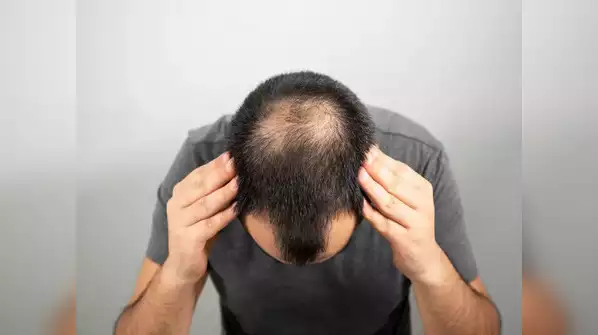
Hair loss is often viewed as a normal part of aging, especially among men. However, research has suggested that certain patterns of baldness may be associated with a higher risk of cardiovascular disease.
Men who experience significant hair loss, particularly at the crown of the head, appear to have a greater likelihood of developing heart-related conditions compared with those who retain more hair.
Researchers believe this connection may involve factors such as:
- Hormonal influences
- High cholesterol levels
- Inflammation
- Reduced blood circulation
- Increased risk of arterial hardening
It’s important to note that hair loss alone does not mean someone has heart disease. However, when combined with other risk factors such as obesity, smoking, high blood pressure, or elevated cholesterol, it may serve as another piece of the overall health picture.
4. A Diagonal Crease in the Earlobe
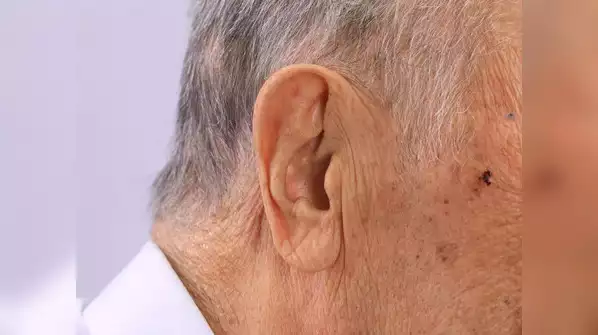
One of the more unusual signs linked to heart health is a diagonal fold or crease that runs across the earlobe. This feature is commonly known as Frank’s sign.
Several studies have explored a possible connection between earlobe creases and coronary artery disease. While researchers have not fully determined why the association exists, some believe the crease may reflect changes in blood vessels and connective tissues that occur with aging and cardiovascular disease.
Individuals with a visible diagonal earlobe crease have been found in some studies to show:
- Higher rates of coronary artery disease
- Increased cardiovascular risk
- Greater likelihood of arterial plaque buildup
Although the presence of an earlobe crease does not guarantee heart disease, it may be worth mentioning during a routine medical examination, especially if other risk factors are present.
Why These Physical Signs Matter
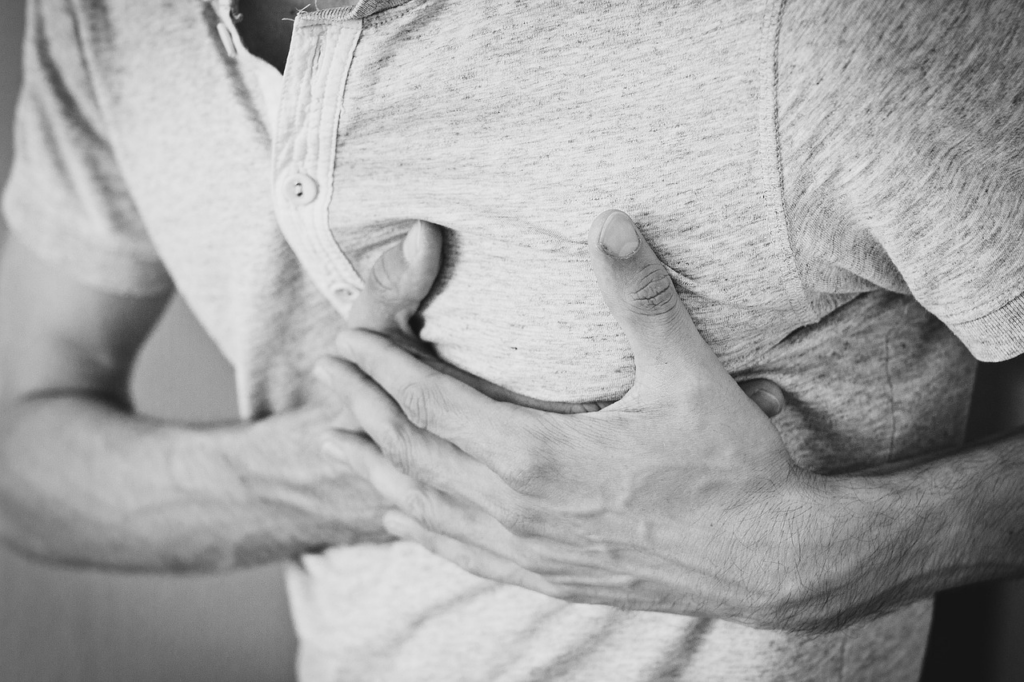
Your body often provides warning signals before major health problems develop. While none of these signs can diagnose heart disease on their own, they may indicate underlying issues such as high cholesterol, poor circulation, or cardiovascular strain.
Early detection is one of the most powerful tools for preventing serious heart problems. Recognizing potential warning signs allows healthcare providers to evaluate risk factors and recommend lifestyle changes, testing, or treatment when necessary.
Protecting Your Heart Health
Whether or not you notice any of these signs, maintaining good cardiovascular health should remain a priority. Some of the most effective ways to support your heart include:
- Eating a balanced diet rich in fruits, vegetables, and whole grains
- Staying physically active
- Managing blood pressure and cholesterol levels
- Avoiding smoking
- Maintaining a healthy weight
- Getting regular medical checkups
Final Thoughts
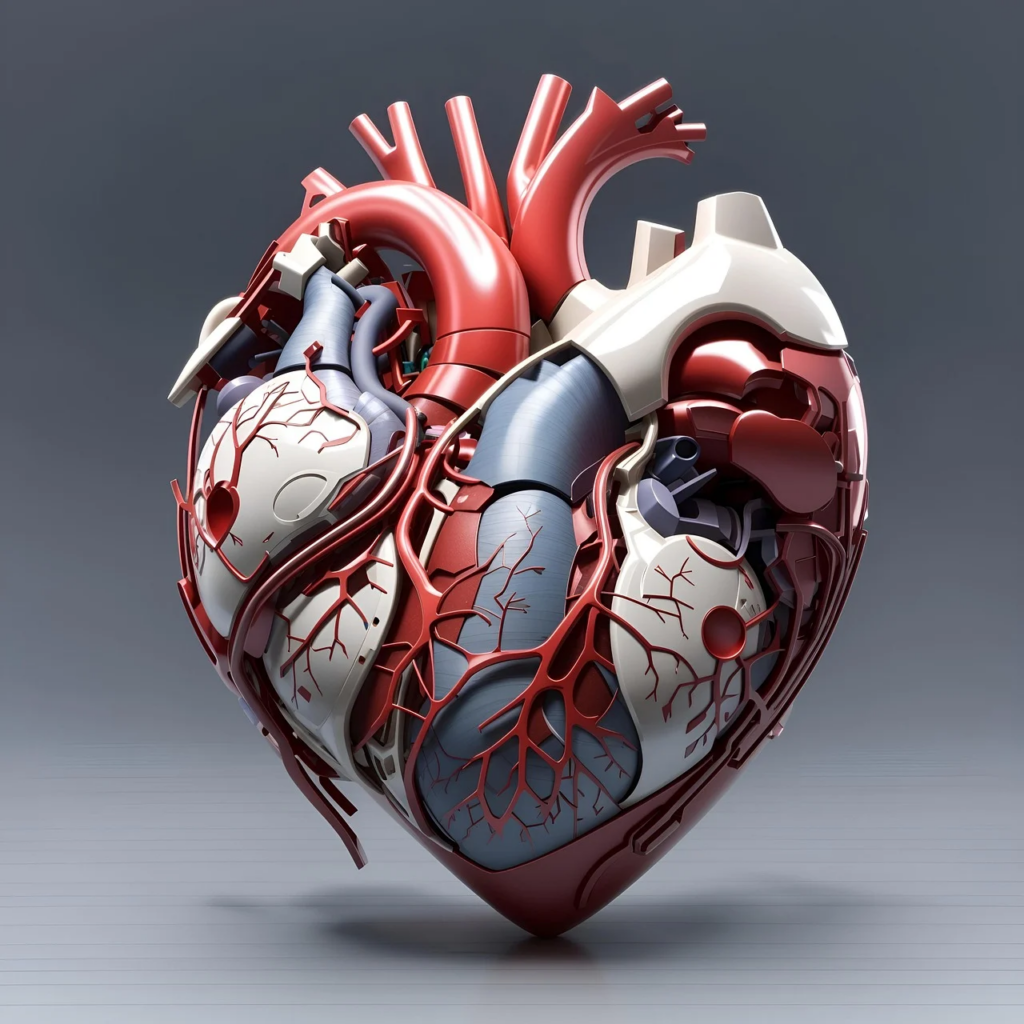
Your face may reveal more about your health than you realize. Features such as cholesterol deposits around the eyes, persistent facial swelling, hair loss patterns, or earlobe creases can sometimes provide clues about underlying cardiovascular issues.
While these signs are not definitive proof of heart disease, they can serve as valuable reminders to pay attention to your overall health. If you notice any unusual changes, speaking with a healthcare professional can help determine whether further evaluation is needed.
Being proactive today could make a significant difference in your long-term heart health.







