Trust is one of the most important foundations of any healthy relationship. Whether it’s a friendship, romantic partnership, family bond, or professional connection, trust allows people to feel safe, respected, and valued.
Yet trust isn’t always easy to give. Some people extend it freely, believing in the best of others until proven wrong. Others are more cautious, often because they’ve experienced betrayal or disappointment in the past. Whatever your approach, learning to recognize signs of untrustworthy behavior can help you protect yourself from unnecessary heartache.
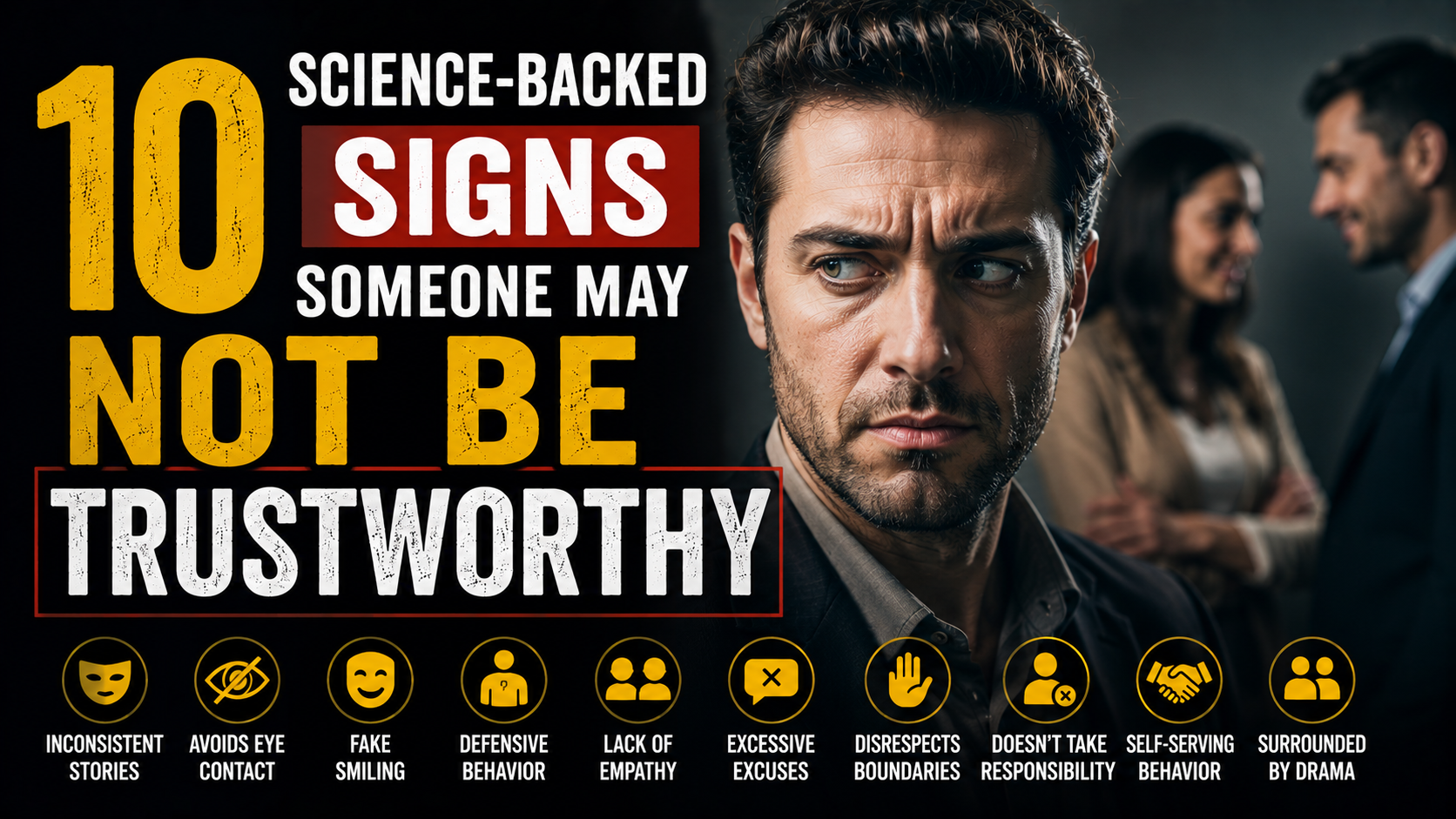
While nobody is perfect and everyone makes mistakes, consistent patterns of behavior often reveal a person’s true character. Here are ten red flags that may indicate someone isn’t as trustworthy as they appear.
1. Their Words and Actions Don’t Match

One of the clearest indicators of unreliability is inconsistency.
A person may make promises they never keep, frequently change their story, or tell different versions of the same event depending on who they’re talking to. Over time, these contradictions become difficult to ignore.
Trustworthy individuals strive to align their actions with their words. When someone’s behavior repeatedly fails to match what they say, it’s wise to proceed with caution.
2. They Never Accept Responsibility

Everyone makes mistakes. What matters is how they respond when those mistakes are pointed out.
People who constantly blame others, make excuses, or refuse to acknowledge their role in a problem often struggle with accountability. Somehow, every setback becomes someone else’s fault.
Reliable people take ownership of their actions, learn from their errors, and make an effort to improve rather than deflect responsibility.
3. They Share Other People’s Secrets

If someone frequently tells you private information about others, pay attention.
While it may feel flattering to be trusted with personal details, there’s another possibility: they may simply have poor boundaries.
Someone who casually reveals another person’s confidential information may eventually do the same with yours. Trustworthy people understand the importance of discretion and respect the privacy of others.
4. They Thrive on Gossip

There’s a difference between casual conversation and habitual gossip.
Individuals who constantly discuss other people’s problems, spread rumors, or enjoy stirring up drama often struggle to respect trust and personal boundaries.
If someone regularly speaks negatively about others behind their backs, it’s reasonable to wonder what they say when you’re not around.
5. They Use Manipulation to Get Their Way

Manipulative people often know exactly how to influence emotions to achieve their goals.
Some common tactics include:
- Guilt-tripping
- Emotional blackmail
- Gaslighting
- Playing the victim
- Creating unnecessary drama
Rather than communicating honestly, they attempt to control situations through pressure, confusion, or emotional leverage. These behaviors can quickly undermine trust and create unhealthy relationships.
6. They Show Little Empathy

Empathy allows us to understand and care about the feelings of others.
People who consistently dismiss, minimize, or ignore the emotions of those around them may struggle to build genuine, trustworthy relationships. A lack of empathy can make someone appear cold, self-centered, or indifferent to the impact of their actions.
Trust grows when people feel heard, understood, and respected.
7. They Have a Pattern of Betraying Others

Everyone deserves the opportunity to learn and grow from past mistakes. However, repeated patterns deserve attention.
If someone has a long history of broken friendships, failed partnerships, betrayals, or dishonesty, it’s worth considering whether those behaviors may continue.
Past behavior isn’t a guarantee of future actions, but it can provide valuable insight into a person’s character.
8. They Rarely Follow Through on Commitments

Reliability is one of the cornerstones of trust.
People who frequently cancel plans, miss deadlines, or fail to keep promises demonstrate that their commitments may not carry much weight.
While unexpected circumstances happen occasionally, a repeated lack of follow-through can make it difficult to depend on someone when it matters most.
9. They Seem Excessively Secretive
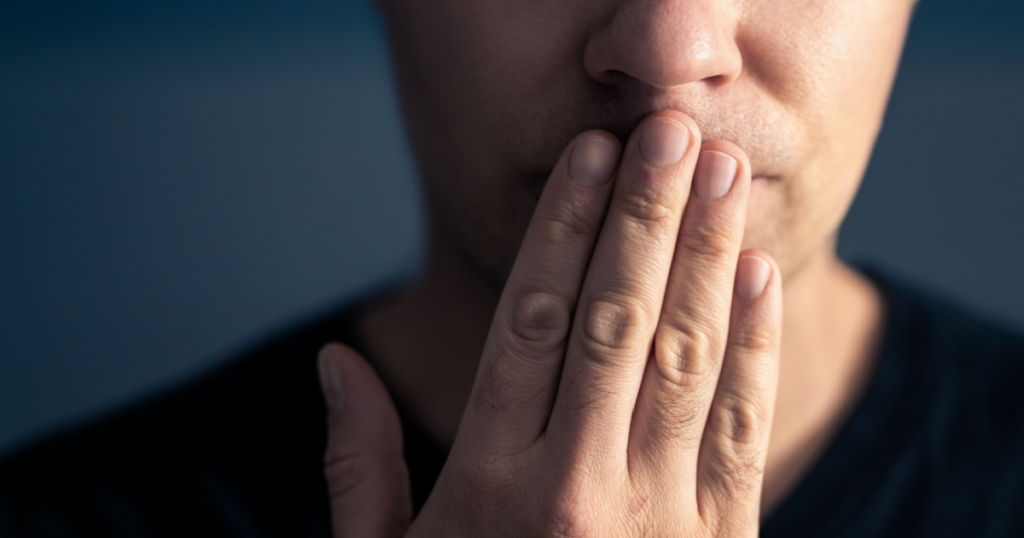
Privacy is healthy. Excessive secrecy is different.
If someone consistently avoids answering simple questions, hides significant parts of their life, or behaves in a way that feels unusually guarded, it can create uncertainty.
Healthy relationships require openness and transparency. While nobody is obligated to share everything, constant secrecy can make trust difficult to establish.
10. They Lack Integrity

Integrity involves doing the right thing even when no one is watching.
People who frequently lie, cheat, manipulate, or act dishonestly often struggle to earn lasting trust. Their behavior may change depending on who they’re around or what benefits them most in the moment.
Another subtle warning sign is someone who agrees with everyone all the time. While agreement isn’t inherently bad, constantly changing opinions to match whoever they’re speaking to can indicate a lack of authenticity.
Trustworthy individuals have values they stand by, even when doing so isn’t popular or convenient.
Body Language Signals That May Suggest Dishonesty
People often rely on instinct when determining whether someone feels trustworthy. Interestingly, certain body language cues can contribute to those gut feelings.
Although none of these signals prove deception on their own, they may sometimes indicate discomfort, nervousness, or a lack of openness.
Leaning Away During Conversation
When someone physically distances themselves during a discussion, it may suggest emotional discomfort or reluctance to engage honestly.
Crossing Their Arms
Crossed arms can sometimes create a physical barrier between people, signaling defensiveness or resistance.
Frequent Face Touching
Touching the face repeatedly may be associated with nervousness, stress, or discomfort during a conversation.
Fidgeting with Hands
Excessive hand movements, rubbing hands together, or constant fidgeting can sometimes reflect anxiety or internal tension.
It’s important to remember that body language is not a reliable lie detector. These behaviors can occur for many reasons, including shyness, stress, or social anxiety. Context always matters.
Trust Your Observations—But Verify Them
While red flags and behavioral cues can provide valuable information, they shouldn’t be the sole basis for judging someone’s character.
Trust is built through repeated experiences over time. The most reliable indicators of trustworthiness are consistency, honesty, accountability, empathy, and integrity.
If something feels off, pay attention to your instincts—but also gather evidence through observation, communication, and experience before drawing conclusions.
Final Thoughts
Trust is one of the most valuable elements of any relationship, and once broken, it can be difficult to rebuild.
By recognizing common warning signs such as dishonesty, manipulation, excessive gossip, lack of accountability, and inconsistent behavior, you can make better decisions about who deserves access to your personal life and confidence.
At the same time, remember that trust isn’t about perfection. It’s about finding people whose actions consistently demonstrate respect, honesty, reliability, and genuine care for others.
The healthiest relationships are built not only on words, but on behavior that proves those words can be believed.
Sources
- “Here Are 23 Bright Red Flags That Someone Can’t Be Trusted.” Thought Catalog. Lorenzo Jensen III, August 19, 2017.
- “Why It’s So Easy to Trust a Nice Person.” Psychology Today. Susan Krauss Whitbourne PhD, ABPP. September 22,2023.
- “Who Can You Trust?” HBR. David DeSteno. March 2014.







