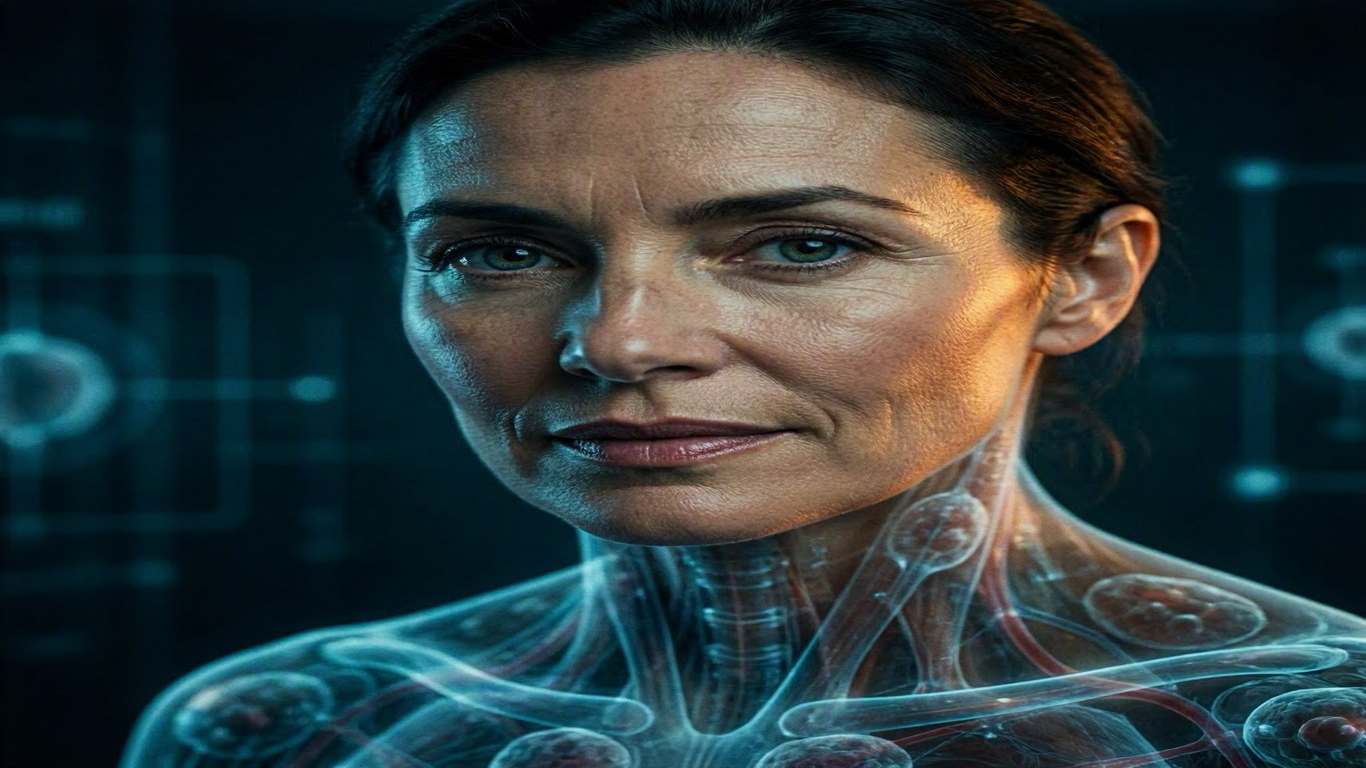
The human body is often described as a remarkable machine, but many scientists prefer a different comparison: a living, self-maintaining ecosystem. Every second of every day, your body is carrying out countless repair processes without you even noticing. Cells are replaced, damaged tissues are restored, infections are fought off, and tiny injuries are repaired before they become major problems.
Most people only think about healing when they recover from a cut, illness, or broken bone. In reality, the body’s repair systems are working around the clock. These biological maintenance programs help keep organs functioning, preserve muscle and bone strength, support the immune system, and contribute to overall health and longevity.
Researchers continue to uncover fascinating details about how the body repairs itself. While science still has much to learn, experts agree that understanding these natural processes can help people make better choices for their long-term health.
Here are nine important things experts want everyone to know about the body’s incredible repair systems.
1. Your Body Is Constantly Repairing Itself
Many people assume healing only occurs after a visible injury. However, repair processes are active every day, even when you feel completely healthy.
Cells naturally experience wear and tear as they perform their normal functions. Environmental factors, physical activity, stress, and aging can all contribute to cellular damage over time.
To keep the body functioning properly, specialized repair mechanisms continuously monitor and address these issues.
Skin cells are replaced regularly. Blood cells are constantly renewed. Proteins are repaired or recycled. DNA damage is corrected by highly sophisticated biological systems.
Without these ongoing maintenance processes, survival would be impossible.
Experts often describe health as a balance between damage and repair. The body works hard to maintain that balance throughout life.
2. Sleep Is One of the Most Powerful Recovery Tools
When people think about improving their health, they often focus on diet and exercise. While both are important, experts increasingly emphasize the critical role of sleep.
During sleep, the body enters an intensive recovery mode.
Hormones that support tissue repair are released. The brain processes information gathered throughout the day. Muscles recover from physical activity. Immune function is strengthened. Cellular cleanup processes become more active.
Research consistently shows that inadequate sleep can interfere with many aspects of healing and recovery.
Poor sleep may affect immune performance, hormone regulation, metabolism, and cognitive function.
For this reason, many health professionals consider quality sleep one of the most important habits for supporting the body’s natural repair systems.
3. Inflammation Is Not Always the Enemy
Inflammation often gets a bad reputation, but experts point out that it serves an essential purpose.
When the body detects injury, infection, or tissue damage, inflammation helps initiate the healing process.
It increases blood flow to affected areas, attracts immune cells, and supports tissue repair.
The problem arises when inflammation becomes excessive or chronic.
Short-term inflammation is often beneficial. Long-term inflammation can contribute to various health concerns and may interfere with normal repair processes.
Understanding this distinction is important because it highlights the complexity of the body’s response systems.
Inflammation is not inherently harmful—it is a necessary part of healing when properly regulated.
4. Nutrition Provides the Building Blocks for Recovery
The body cannot repair itself effectively without adequate nutrients.
Every repair process requires energy and raw materials. Proteins help rebuild tissues. Vitamins and minerals support cellular function. Healthy fats contribute to hormone production and cell membrane health.
Experts frequently emphasize that nutrition influences nearly every aspect of recovery.
A balanced diet rich in fruits, vegetables, whole grains, lean proteins, legumes, nuts, and healthy fats provides many of the resources the body needs to maintain itself.
While no single food can dramatically accelerate healing, consistent nutritional habits can support long-term recovery and resilience.
The body’s repair systems rely heavily on what we provide through daily dietary choices.
5. Exercise Stimulates Positive Adaptation
Many people think of exercise as something that wears the body down.
In reality, physical activity creates a controlled form of stress that encourages the body to become stronger.
During exercise, muscles experience tiny amounts of strain. The repair process that follows helps muscles adapt and grow stronger over time.
Bones respond similarly by becoming more resilient. The cardiovascular system improves its efficiency. Metabolic processes become more effective.
Experts often describe exercise as a signal that tells the body to invest in maintenance and improvement.
The key is balance.
Appropriate recovery allows the body to adapt positively, while excessive strain without adequate recovery can have the opposite effect.
6. The Immune System Plays a Major Role in Healing
The immune system does much more than fight infections.
Researchers have discovered that immune cells are deeply involved in tissue repair and regeneration.
When an injury occurs, immune cells help remove damaged material, coordinate healing responses, and communicate with other cells involved in recovery.
This process is incredibly complex.
Scientists continue studying how different immune cells contribute to healing because understanding these interactions may help improve future treatments.
The relationship between immunity and repair highlights how interconnected the body’s systems truly are.
Good health depends on these systems working together effectively.
7. Stress Can Influence Recovery More Than People Realize
Mental and emotional health are closely connected to physical recovery.
Chronic stress triggers biological responses that can affect sleep quality, immune function, hormone levels, and inflammation.
Over time, prolonged stress may interfere with the body’s ability to repair itself efficiently.
Experts often recommend stress-management strategies not only for emotional well-being but also for physical health.
Activities such as meditation, deep breathing, physical activity, social connection, spending time in nature, and engaging in enjoyable hobbies may help reduce stress-related strain on the body.
Managing stress is not simply about feeling better. It can also support important biological recovery processes.
8. Aging Changes Repair Processes, But They Never Stop
One common misconception is that the body’s ability to heal disappears with age.
While aging does affect repair mechanisms, those systems continue functioning throughout life.
Recovery may occur more slowly in older adults, and certain tissues may become less efficient at regeneration. However, the body still retains many remarkable repair capabilities.
Researchers are actively studying how aging influences cellular maintenance, tissue repair, and regeneration.
This research is helping scientists better understand healthy aging and identify strategies that support recovery later in life.
Experts emphasize that healthy habits remain valuable at every age because they help support the repair systems that continue working throughout the lifespan.
9. Scientists Are Learning More About Regeneration Every Year
Perhaps the most exciting insight is that research into human repair systems is advancing rapidly.
Scientists are exploring fields such as regenerative medicine, tissue engineering, stem cell biology, gene therapy, biomaterials, and cellular communication.
These areas of study aim to better understand how tissues repair themselves and how those processes might be supported in the future.
While many emerging therapies remain experimental, the pace of scientific discovery continues to accelerate.
Researchers are uncovering new details about how cells communicate, how tissues regenerate, and how biological repair systems function.
Each discovery adds another piece to the puzzle of human healing.
Why Understanding Repair Systems Matters
Learning about the body’s repair systems is not just an academic exercise.
It can influence everyday decisions.
When people understand how sleep supports recovery, they may prioritize rest. When they learn how nutrition contributes to healing, they may make healthier food choices. When they appreciate the role of exercise, they may become more active.
Knowledge often leads to better habits.
Experts believe that understanding the body’s natural maintenance systems can empower individuals to take a more proactive approach to health.
Rather than focusing solely on treating problems after they occur, people can support the processes that help maintain health in the first place.
The Remarkable Balance Between Damage and Repair
Life places constant demands on the body.
Physical activity, environmental exposures, infections, aging, and everyday metabolic processes all create forms of stress and wear.
Yet despite these challenges, the body remains remarkably resilient.
Its ability to repair itself allows people to recover from injuries, adapt to challenges, and maintain function throughout life.
Health is not the absence of damage. It is the result of effective repair.
This perspective helps explain why lifestyle habits matter so much. Healthy choices often support the body’s ability to maintain that critical balance.
Looking Toward the Future
The future of repair-system research is filled with exciting possibilities.
Advances in biotechnology, artificial intelligence, genetics, and regenerative medicine are providing scientists with tools that previous generations could only imagine.
Researchers hope these innovations will lead to better treatments for injuries, chronic diseases, age-related conditions, and tissue damage.
Although many breakthroughs remain years away, progress continues steadily.
The more scientists learn about natural repair processes, the more opportunities they may have to support those systems through future medical innovations.
Final Thoughts
The human body’s repair systems are among the most extraordinary features of biology. Every day, countless processes work behind the scenes to maintain health, restore damaged tissues, fight infections, and support survival.
From sleep and nutrition to exercise and immune function, many factors influence how effectively these systems operate. Understanding these connections helps explain why healthy habits play such an important role in long-term well-being.
Perhaps the most encouraging message from experts is that the body is constantly working on your behalf. While no repair system is perfect, the human body’s ability to heal, adapt, and recover is truly remarkable.
By supporting these natural processes through healthy lifestyle choices, people can help give their bodies the resources needed to stay resilient, recover effectively, and maintain better health for years to come.







