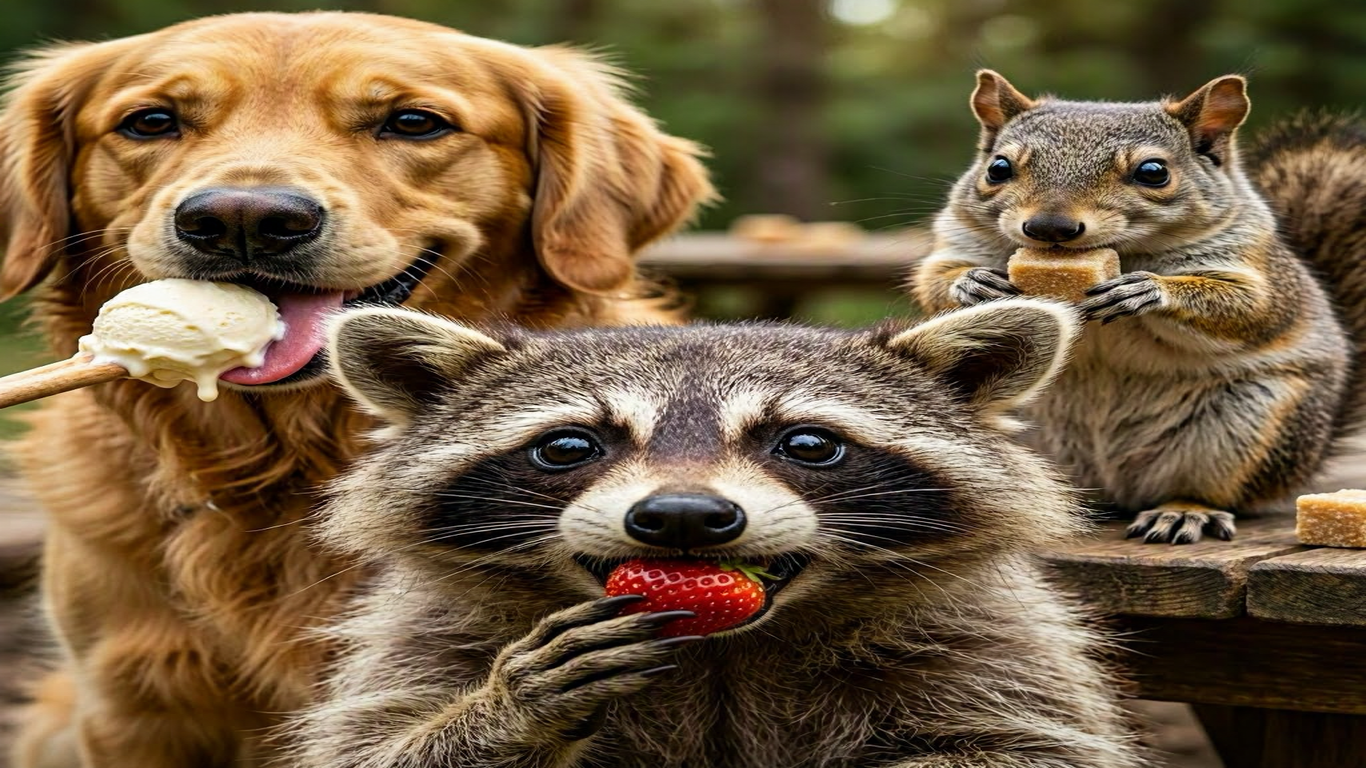
Sweet flavors are often associated with human enjoyment. From ripe fruit to desserts and sugary treats, many people naturally gravitate toward sweetness. But humans are far from the only creatures that react to sweet foods. Across the animal kingdom, countless species have evolved unique ways of detecting, seeking out, and responding to sweet tastes.
Interestingly, not all animals experience sweetness in the same way. Some species actively seek sugary foods because they provide a valuable source of energy, while others have little interest in sweetness at all. Evolution, diet, habitat, and biology all influence how different animals perceive and react to sweet substances.
The study of taste preferences has revealed some surprising discoveries about animal behavior and adaptation. Here are 12 fascinating facts about how animals respond to sweet foods—and what those responses reveal about life in the natural world.
1. Many Animals Are Naturally Drawn to Sweet Flavors
For numerous species, sweetness acts as a signal that a food contains energy-rich carbohydrates.
In nature, sweet foods often include ripe fruits, nectar, and certain plant materials. These foods provide valuable calories that help animals survive, grow, and reproduce.
As a result, many mammals, birds, and insects have evolved to recognize sweet flavors and seek them out when available. This attraction can increase their chances of finding nutritious food sources in the wild.
2. Not All Animals Can Taste Sweetness
One of the most surprising discoveries in animal biology is that some species cannot detect sweet flavors at all.
Many carnivorous animals, including members of the cat family, have lost functional sweet taste receptors during their evolutionary history. Because their diets consist primarily of meat, the ability to detect sugars became less important over time.
As a result, animals such as lions, tigers, and domestic cats generally show little interest in sweet foods compared to omnivorous species.
3. Hummingbirds Have Rewritten the Rules of Taste
Hummingbirds rely heavily on nectar for energy, yet their ancestors were insect-eating birds.
Scientists discovered that hummingbirds evolved a unique adaptation that allows them to detect sweetness using receptors that originally served a different purpose. This evolutionary innovation enables them to efficiently locate nectar-rich flowers.
Their remarkable sensitivity to sugar plays a critical role in supporting the extremely high energy demands of their rapid wingbeats and active lifestyle.
4. Primates Often Prefer Sweet Fruits
Many primates, including monkeys and apes, are particularly responsive to sweet flavors.
In tropical forests, sweetness often indicates that fruit is ripe and ready to eat. By selecting sweeter fruits, primates can obtain more calories and nutrients while avoiding unripe foods that may be harder to digest.
This preference has likely influenced feeding behavior throughout primate evolution and may even provide clues about the origins of human taste preferences.
5. Bees Use Sweetness to Locate Valuable Resources
Honeybees and many other pollinators depend on sweet nectar as an important food source.
Bees possess specialized sensory systems that help them evaluate sugar concentrations in flowers. They tend to favor blooms offering higher nectar rewards, allowing them to maximize energy intake while foraging.
This behavior benefits both bees and plants. As bees move between flowers collecting nectar, they also transfer pollen, supporting plant reproduction.
6. Bears Have a Strong Attraction to Sugary Foods
Bears are famous for seeking out sweet food sources whenever possible.
Whether raiding berry patches, searching for honey, or consuming ripe fruits, many bear species take advantage of foods rich in natural sugars. These energy-dense foods are especially valuable during periods when bears need to build fat reserves.
Their attraction to sweetness reflects a broader survival strategy focused on maximizing calorie intake when resources are abundant.
7. Fruit-Eating Bats Depend on Sweet Signals
Many fruit bats rely heavily on sweet fruits and nectar.
Their senses help them identify food sources that offer high nutritional value. Some species can even detect subtle differences in sugar content, allowing them to choose the most rewarding foods available.
By consuming fruit and dispersing seeds over large distances, these bats also play an important role in maintaining healthy ecosystems.
8. Sweet Foods Can Influence Animal Learning
Researchers have found that sweet rewards can affect behavior and learning in various species.
Like humans, many animals are motivated by foods they find particularly rewarding. Sweet treats are sometimes used in research and training because they encourage animals to repeat specific behaviors.
This response highlights the close connection between taste, motivation, and learning throughout the animal kingdom.
9. Insects Often Detect Sugars Through Their Feet
One of the most surprising facts about animal taste involves insects.
Butterflies, flies, and some other insects possess taste receptors on their feet. When they land on a surface, they can immediately evaluate whether it contains sugars or other nutrients.
This adaptation allows them to quickly determine whether a potential food source is worth exploring further.
10. Sweetness Can Trigger Competitive Behavior
When valuable food resources are limited, sweet foods may become the focus of intense competition.
Animals frequently compete for access to ripe fruit trees, flowering plants, or other sugar-rich resources. Birds may defend nectar-rich territories, while primates and mammals often establish feeding hierarchies around important food sources.
These interactions demonstrate how food preferences can shape social behavior and resource use.
11. Some Animals Help Plants Spread Through Their Love of Sweet Foods
Sweet fruits evolved for a reason.
Plants often produce sugary fruits to attract animals that will consume them and later disperse their seeds. Birds, mammals, and reptiles may carry seeds far from the parent plant, helping new populations establish themselves.
This mutually beneficial relationship illustrates how animal taste preferences can influence entire ecosystems.
Without fruit-eating animals, many plant species would struggle to spread effectively.
12. Responses to Sweetness Reflect Evolutionary History
Perhaps the most fascinating fact of all is that an animal’s reaction to sweet foods often reveals its evolutionary past.
Species that rely on fruits, nectar, or plant-based diets generally possess strong sweet taste abilities. Predators that specialize in hunting meat often show reduced sensitivity or no sensitivity at all.
These differences demonstrate how natural selection shapes sensory systems based on the specific challenges and opportunities animals face in their environments.
In many ways, an animal’s response to sweetness tells a story about how it evolved.
Why Sweet Taste Matters in Nature
Sweetness is much more than a pleasant sensation. In nature, it often serves as a valuable source of information.
For animals, detecting sugar can help identify foods that provide quick and efficient energy. This ability may improve survival by guiding individuals toward nutrient-rich resources while reducing time spent searching for food.
Because energy is essential for growth, reproduction, migration, and daily activity, sweet taste has become an important adaptation across many species.
The Link Between Sweet Foods and Ecosystems
The relationship between animals and sweet foods extends far beyond individual feeding habits.
Pollination, seed dispersal, habitat maintenance, and species interactions are all influenced by the movement of animals seeking nectar and fruit. In many ecosystems, these behaviors help maintain biodiversity and support ecological balance.
The simple act of an animal eating something sweet can have consequences that ripple throughout an entire environment.
What Animal Taste Preferences Teach Us
Studying how animals respond to sweet foods provides valuable insight into evolution, behavior, and ecology.
Researchers can learn about dietary adaptations, habitat requirements, sensory biology, and species interactions by examining taste preferences. These discoveries reveal the remarkable diversity of strategies animals use to survive and thrive.
They also remind us that something as familiar as sweetness can play a surprisingly important role in shaping life on Earth.
Final Thoughts
The next time you enjoy a sweet snack or bite into a ripe piece of fruit, consider how differently animals might experience that same flavor. Some species actively seek sweetness as a vital energy source, while others barely recognize it at all.
From hummingbirds and bees to bears and bats, animals have evolved an astonishing variety of responses to sweet foods. These reactions reflect millions of years of adaptation and reveal fascinating connections between diet, behavior, and survival.
Ultimately, the story of sweetness in the animal kingdom is about much more than taste. It is a reminder that even the smallest biological traits can influence ecosystems, drive evolution, and shape the remarkable diversity of life found across our planet.







