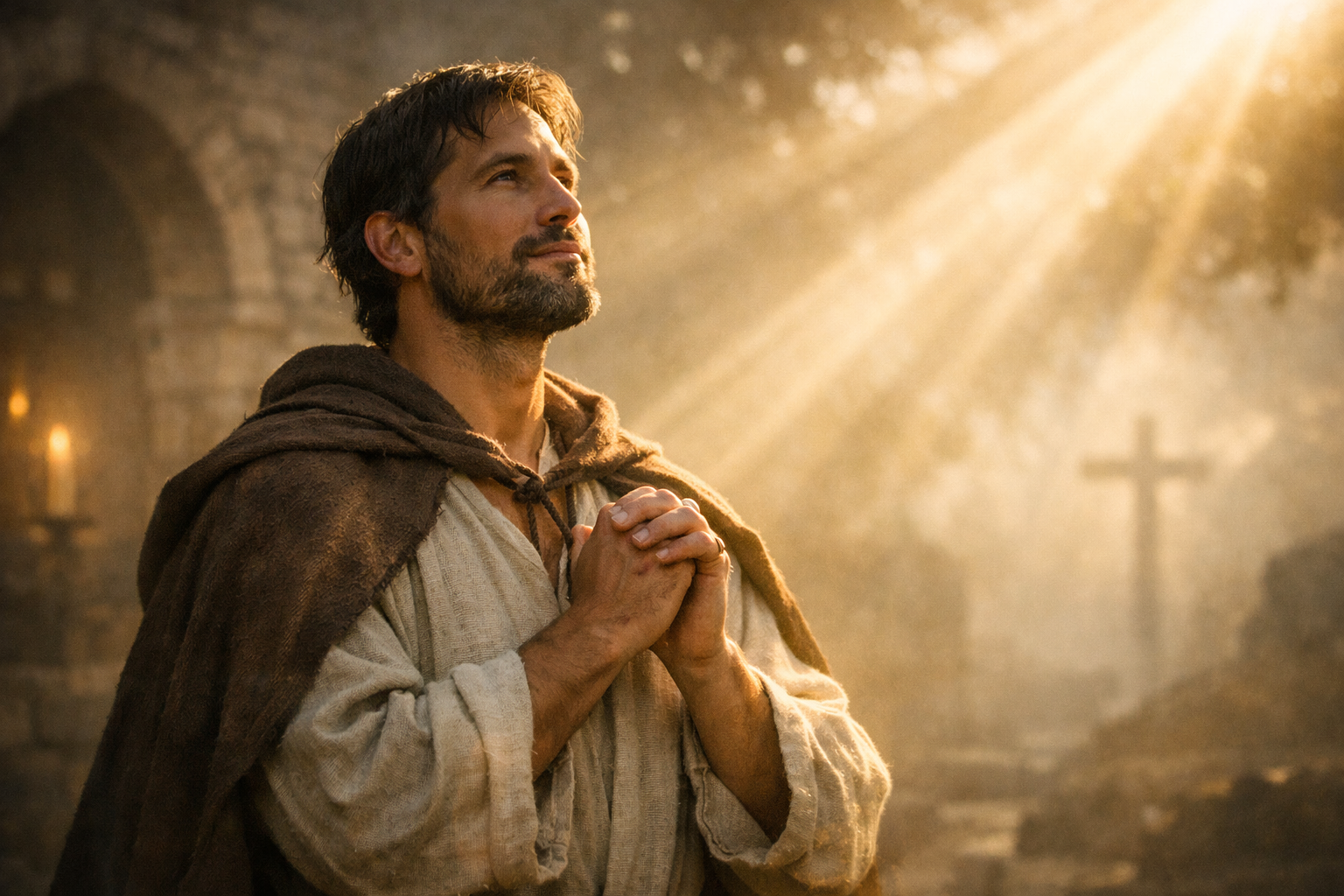
Throughout history, faith has inspired people to do extraordinary things. It has given individuals the courage to stand firm during difficult times, the strength to overcome overwhelming challenges, and the hope to continue when circumstances seemed impossible. Whether rooted in religion, personal conviction, or a belief in a greater purpose, acts of faith have shaped civilizations, influenced social movements, and transformed countless lives.
Some of history’s most remarkable moments were driven not by power, wealth, or military strength, but by an unwavering belief in something larger than oneself. These stories continue to resonate because they reveal timeless truths about courage, perseverance, sacrifice, and hope.
While the details of these events vary across cultures and eras, the lessons they offer remain surprisingly relevant today. Here are nine powerful lessons we can learn from history’s most meaningful acts of faith.
1. Faith Gives People the Courage to Face the Unknown
One of the most consistent themes throughout history is the ability of faith to help people move forward despite uncertainty.
Many of history’s influential figures stepped into situations where success was far from guaranteed. They often faced risks, opposition, and uncertainty about the future. Yet their belief in a greater purpose gave them the confidence to continue.
Faith does not necessarily remove fear. Instead, it provides the courage to act despite fear. Throughout history, explorers, reformers, missionaries, and community leaders have ventured into unfamiliar territory because they believed their efforts served a meaningful purpose.
This lesson remains important today. Life rarely provides complete certainty before major decisions. Whether changing careers, starting a business, moving to a new city, or pursuing a dream, progress often requires taking a step before knowing exactly how things will unfold.
2. Conviction Can Be Stronger Than Circumstances
History offers many examples of individuals who remained faithful to their beliefs even when facing severe hardship.
Some endured imprisonment, exile, discrimination, or public criticism. Others sacrificed comfort, status, and personal security. What allowed them to persevere was their deep conviction that their beliefs were worth defending.
These stories remind us that circumstances do not always determine outcomes. Inner strength often plays an equally important role.
When people possess a strong sense of purpose, they can endure challenges that might otherwise seem impossible. Their commitment becomes a source of resilience, helping them remain focused even during difficult times.
In modern life, this lesson encourages us to remain true to our principles rather than allowing temporary obstacles to dictate our choices.
3. Real Faith Often Requires Patience
One of the most overlooked aspects of faith is patience.
Many historical achievements inspired by faith did not happen overnight. Social reforms, humanitarian efforts, educational initiatives, and spiritual movements often took years—or even generations—to bear fruit.
Those involved rarely saw immediate results. Instead, they continued their work with confidence that their efforts would eventually make a difference.
Patience is particularly challenging in today’s fast-paced world, where instant results are often expected. Yet history repeatedly demonstrates that meaningful change usually develops gradually.
Faith teaches people to trust the process, continue working toward their goals, and remain committed even when progress appears slow.
4. Hope Can Thrive Even During Difficult Times
Some of history’s most inspiring acts of faith occurred during periods of crisis.
Wars, economic hardships, natural disasters, and social upheavals have tested communities throughout the centuries. Yet in many cases, faith provided a source of hope when little else seemed certain.
Hope is not simply wishful thinking. It is the belief that better days are possible, even when current circumstances suggest otherwise.
Historical examples show that hopeful individuals often become sources of encouragement for others. Their optimism helps communities remain united and focused during difficult periods.
Today, this lesson serves as a reminder that hope can be a powerful force for resilience, especially during times of personal or collective hardship.
5. Faith Inspires Service to Others
Many of history’s most meaningful acts of faith involved helping people in need.
Across cultures and traditions, faith has motivated individuals to establish hospitals, schools, charities, shelters, and humanitarian organizations. Countless acts of generosity have been inspired by a desire to serve others and improve society.
These efforts demonstrate that genuine faith often extends beyond personal beliefs. It influences actions and encourages people to make positive contributions to their communities.
The lesson here is simple yet profound: belief becomes most meaningful when it is expressed through compassion, kindness, and service.
Small acts of generosity may not always make headlines, but collectively they have the power to transform lives and strengthen communities.
6. Standing Alone Can Sometimes Be Necessary
History remembers many people who held onto their convictions even when they found themselves in the minority.
At various points in time, certain beliefs or principles were unpopular, misunderstood, or actively opposed. Yet some individuals remained committed to what they believed was right, regardless of public opinion.
This willingness to stand alone often required tremendous courage.
While community support is valuable, there are moments when personal integrity demands independent thinking. Faith can provide the confidence needed to remain true to one’s values even when doing so is difficult.
This lesson reminds us that popularity is not always a reliable measure of truth or righteousness. Sometimes the most important decisions involve choosing conviction over convenience.
7. Faith Can Unite People Around a Common Purpose
Throughout history, faith has frequently served as a powerful force for unity.
Communities facing challenges have often found strength through shared beliefs and collective purpose. Religious movements, charitable initiatives, and social causes have brought people together across differences of background, culture, and status.
When individuals unite around common values, they can achieve remarkable things.
This does not mean everyone must think alike. Rather, shared principles can create cooperation and mutual support, allowing groups to work toward meaningful goals.
In a world that often feels divided, history reminds us that common purpose remains one of humanity’s greatest strengths.
8. Sacrifice Often Precedes Lasting Impact
Many of history’s most influential acts of faith required significant sacrifice.
Some individuals gave up wealth, prestige, personal comfort, or opportunities in pursuit of a higher calling. Others devoted years of their lives to causes they believed would benefit future generations.
At the time, these sacrifices may not have appeared worthwhile to observers. Yet many eventually produced lasting benefits that extended far beyond the individuals involved.
This lesson highlights an important truth: meaningful achievements often require giving something up in the present for the sake of a greater future reward.
Whether in personal growth, relationships, education, or service, sacrifice remains an essential ingredient of long-term success and impact.
9. Faith Leaves a Legacy That Outlives the Individual
Perhaps the most powerful lesson from history’s acts of faith is that their influence often continues long after the original participants are gone.
Ideas, values, institutions, and movements inspired by faith frequently endure for generations. The actions of one individual can inspire countless others, creating ripple effects that extend far beyond what was initially imagined.
History is filled with examples of people whose faithful actions influenced communities, nations, and even the world long after their lifetimes.
This lesson encourages us to think beyond immediate results. The choices we make today may shape lives in ways we cannot fully predict.
A single act of courage, kindness, generosity, or conviction can leave an enduring mark on future generations.
Why These Lessons Still Matter Today
Although many historical acts of faith occurred centuries ago, their lessons remain highly relevant in modern society.
People continue to face uncertainty, adversity, ethical dilemmas, and difficult decisions. They still search for meaning, purpose, and direction in their lives. The challenges may look different than they did in the past, but the underlying human experiences remain remarkably similar.
Faith—whether expressed through spiritual belief, moral conviction, or a commitment to a meaningful purpose—continues to help individuals navigate life’s complexities.
The examples left behind by history demonstrate that faith is not merely a private belief system. It can influence actions, strengthen character, inspire leadership, and encourage service to others.
These lessons remind us that lasting impact often begins with simple yet courageous decisions made by ordinary people.
Final Thoughts
History’s most meaningful acts of faith are powerful because they reveal what people are capable of when guided by conviction, hope, and purpose. They show that courage can overcome fear, patience can outlast setbacks, and service can transform communities.
The individuals behind these stories were not always the most powerful or influential people of their time. Many were ordinary men and women who simply chose to remain faithful to their beliefs despite uncertainty and opposition.
Their examples continue to inspire because they highlight timeless principles that transcend cultures and generations. Courage, resilience, sacrifice, compassion, and hope remain as valuable today as they were centuries ago.
As we reflect on these nine lessons, we are reminded that faith is not only about what people believe—it is also about how those beliefs shape their actions. And throughout history, those actions have often changed the world in remarkable ways.







