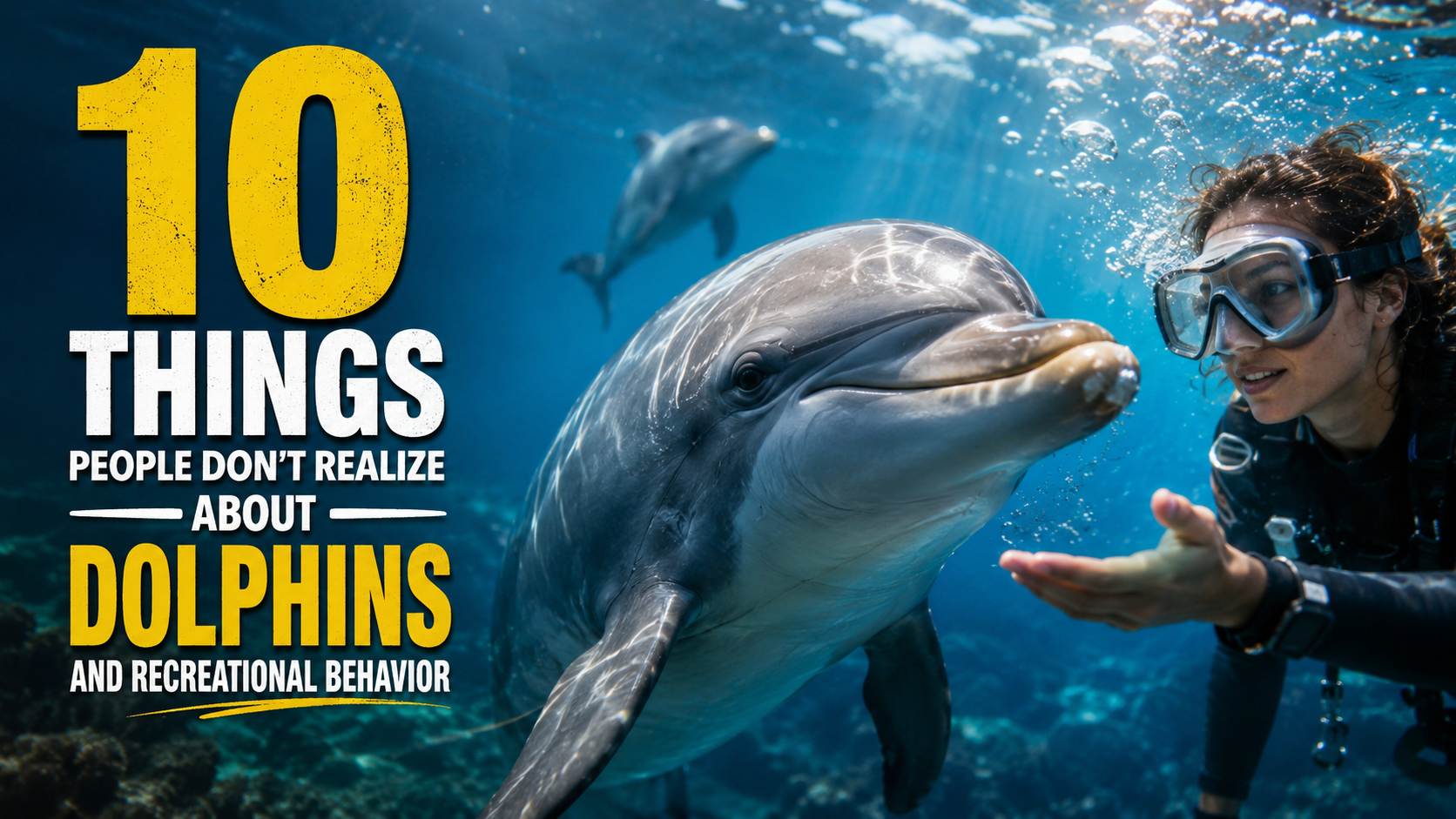
Dolphins have long fascinated scientists and animal lovers alike. Their remarkable intelligence, playful personalities, and complex social behaviors continue to reveal new mysteries about life beneath the ocean’s surface. Among the most intriguing discoveries is a behavior that has sparked both curiosity and debate: dolphins interacting with pufferfish in a way that appears to produce a temporary intoxicating effect.
The idea of wild animals intentionally seeking altered states may sound like something from a science-fiction story, but observations captured by marine researchers suggest there may be more to this phenomenon than simple coincidence. While scientists continue to study and debate exactly what is happening, the behavior has become one of the most talked-about examples of unusual animal intelligence.
Here are 10 surprising facts about dolphins and their fascinating encounters with pufferfish.
1. Dolphins Have Been Observed Carefully Handling Pufferfish
One of the most striking aspects of this behavior is how deliberately dolphins appear to interact with pufferfish. Rather than attacking or eating the fish, dolphins have been seen gently nudging, chewing, and passing them between members of their pod.
Researchers noticed that the dolphins treated the fish with unusual care. Instead of consuming the pufferfish as prey, they seemed focused on provoking a specific reaction from it. This unusual interaction immediately caught the attention of marine biologists because it differed significantly from normal feeding behavior.
The deliberate nature of these encounters suggests the dolphins may understand that the fish can produce a unique effect.
2. Pufferfish Carry One of Nature’s Most Powerful Toxins
Pufferfish are famous for their ability to inflate into a balloon-like shape when threatened. However, their most remarkable defense mechanism is a potent toxin known as tetrodotoxin.
This toxin is powerful enough to kill predators and is considered one of the strongest natural poisons found in the animal kingdom. Even tiny amounts can have serious effects on the nervous system.
When threatened, pufferfish may release small quantities of this toxin. Some scientists believe dolphins may intentionally trigger this defensive response while avoiding dangerous exposure levels.
The possibility that dolphins understand how to safely interact with such a hazardous creature raises fascinating questions about animal intelligence and learning.
3. The Effects May Be Mild Rather Than Dangerous
Contrary to popular headlines, researchers do not believe dolphins are exposing themselves to lethal doses of pufferfish toxin.
Instead, the theory suggests that they may be receiving only trace amounts. At very low levels, the toxin could potentially produce mild neurological effects without causing serious harm.
After interacting with pufferfish, dolphins have been observed floating near the water’s surface, moving slowly, and appearing unusually relaxed. Some researchers speculate that these behaviors could indicate a temporary altered state.
However, scientists emphasize that much more research is needed before any definitive conclusions can be made.
4. Dolphins Often Share the Experience
Perhaps one of the most fascinating observations is that dolphins appear to pass the pufferfish from one individual to another.
Instead of a single dolphin monopolizing the interaction, members of the pod often take turns handling the fish. This cooperative behavior has led some researchers to wonder whether the activity serves a social purpose beyond any potential physiological effects.
Dolphins are highly social animals known for teamwork, communication, and group bonding. Sharing a pufferfish may strengthen social relationships within the pod, much like other communal activities observed among intelligent animals.
Whether intentional or not, the behavior appears to involve participation from multiple dolphins rather than isolated individuals.
5. Young Dolphins May Learn the Behavior from Older Ones
Many dolphin behaviors are passed down through observation and imitation. Scientists have documented cultural traditions among dolphin populations, including unique hunting methods, feeding techniques, and communication patterns.
This raises an interesting possibility: younger dolphins may learn pufferfish interactions by watching experienced members of the pod.
If true, it would suggest that the behavior is not merely instinctive but part of a learned social tradition. Such cultural transmission is relatively rare in the animal kingdom and is often associated with highly intelligent species.
The idea that dolphins could teach one another specialized behaviors highlights the complexity of their societies.
6. Animal Intoxication Isn’t Unique to Dolphins
While dolphins and pufferfish make for an extraordinary story, they are not the only animals observed interacting with naturally occurring intoxicants.
Various species have been seen consuming fermented fruit, nectar, or plants that produce mind-altering effects. Elephants, primates, birds, and even insects have occasionally displayed behaviors linked to naturally occurring chemical substances.
These examples suggest that curiosity about unusual sensations may not be exclusive to humans.
Dolphins, however, stand out because their behavior appears intentional, social, and highly organized, making the phenomenon particularly compelling to researchers.
7. Dolphins Possess Remarkably Advanced Intelligence
Understanding the pufferfish mystery requires appreciating just how intelligent dolphins are.
Dolphins demonstrate problem-solving abilities, self-awareness, advanced communication, and even the capacity to recognize themselves in mirrors. Their brains are among the most complex in the animal kingdom.
Scientists have observed dolphins cooperating during hunts, using tools, and displaying behaviors that suggest sophisticated decision-making skills.
Because of this intelligence, many researchers believe dolphins are capable of engaging in activities driven by curiosity, experimentation, and social interaction rather than simple survival instincts.
This intellectual sophistication makes the pufferfish observations especially intriguing.
8. Scientists Still Debate What the Behavior Means
Despite widespread attention, the exact purpose of these interactions remains uncertain.
Some researchers believe the dolphins may intentionally seek mild intoxicating effects. Others argue that the behavior could simply be playful exploration or curiosity toward an unusual marine creature.
Dolphins are naturally inquisitive animals and often investigate objects, fish, and environmental features for reasons unrelated to food or self-medication.
Without direct evidence of what the dolphins are experiencing, scientists remain cautious about drawing conclusions. The observations are fascinating, but the interpretation continues to be debated within the scientific community.
This uncertainty is part of what makes the phenomenon so captivating.
9. The Behavior Highlights the Complexity of Ocean Life
The oceans remain one of Earth’s least understood environments, and discoveries like this remind us how much there is still to learn.
Interactions between species often reveal unexpected relationships and behaviors that challenge existing assumptions. Dolphins engaging with pufferfish demonstrates that marine ecosystems are filled with complexities scientists are only beginning to understand.
Every new observation provides insight into how animals adapt, communicate, and interact with their surroundings.
The more researchers study marine life, the clearer it becomes that ocean creatures possess abilities and behaviors far beyond what was once imagined.
10. The Story Continues to Inspire Scientific Research
The widespread interest generated by dolphin-pufferfish interactions has encouraged further research into animal cognition and behavior.
Scientists are increasingly exploring questions about consciousness, emotion, learning, and social intelligence in non-human species. Dolphins remain central to many of these investigations because of their extraordinary mental capabilities.
Whether the pufferfish encounters represent recreational behavior, curiosity, social bonding, or something entirely different, they highlight how sophisticated animal minds can be.
Each new study brings researchers closer to understanding the hidden lives of these remarkable marine mammals.
What This Tells Us About Dolphins
The image of dolphins gently passing around a pufferfish has captured public imagination because it challenges traditional ideas about animal behavior. It suggests that some creatures may engage in activities motivated by curiosity, pleasure, or social connection rather than simple survival.
While scientists have not reached a final consensus about the exact purpose of these interactions, the observations offer a fascinating glimpse into the complexity of dolphin societies.
What is clear is that dolphins are far more than playful swimmers gliding through the waves. They are intelligent, socially sophisticated animals capable of behaviors that continue to surprise even experienced researchers.
As our understanding of marine life grows, stories like this remind us that the ocean still holds countless mysteries waiting to be discovered. Whether dolphins are truly seeking a natural high or simply exploring their environment in a uniquely dolphin way, their relationship with pufferfish remains one of the most captivating animal behaviors ever documented.
And perhaps the most surprising fact of all is that after decades of studying dolphins, they continue to reveal new secrets that challenge what we think we know about intelligence, curiosity, and life beneath the sea.







