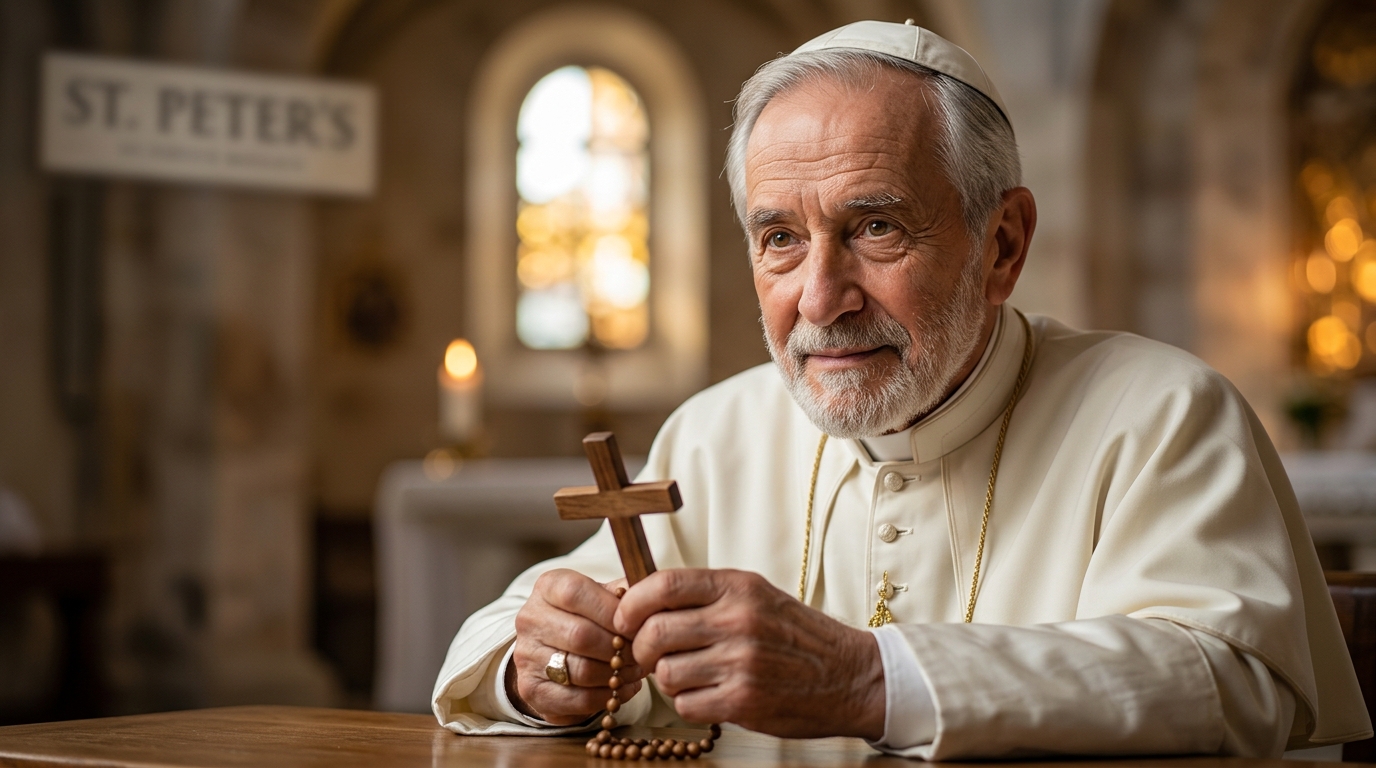
Humility is often spoken about as a quiet virtue, but in practice, it can be one of the most powerful forces shaping how people live, relate to others, and make decisions. Pope Leo XIV has frequently emphasized humility as a guiding principle for personal growth and spiritual balance, encouraging people to focus less on status and more on meaningful, grounded living.
While his teachings are rooted in faith, many of his reflections extend beyond religion and speak to universal human experiences. At their core, they highlight values like compassion, simplicity, patience, and self-awareness—qualities that can improve everyday life regardless of background or belief.
Here are 10 humble lessons inspired by Pope Leo XIV’s teachings that can meaningfully transform daily living.
1. True Strength Begins With Humility
One of the central ideas in Pope Leo XIV’s message is that real strength is not about dominance or control.
Instead, it comes from humility—the ability to recognize one’s limitations while still striving to do good.
People who embrace humility tend to be more open to learning, more adaptable in challenges, and more grounded in their relationships.
2. Listening Is More Powerful Than Speaking
In a fast-paced world where everyone wants to be heard, listening has become a rare skill.
Pope Leo XIV often emphasizes the importance of listening with intention and patience.
When people truly listen, they build deeper understanding, reduce conflict, and strengthen trust in relationships.
This simple practice can transform both personal and professional interactions.
3. Small Acts of Kindness Matter More Than Grand Gestures
Humble living often shows up in small, everyday actions.
A kind word, a moment of patience, or a simple gesture of support can have a lasting impact on others.
These small acts, though easy to overlook, often carry more emotional weight than large, infrequent displays of generosity.
4. Gratitude Brings Perspective
Gratitude is a recurring theme in teachings about humility.
When people take time to appreciate what they have, they become less focused on comparison and more grounded in the present moment.
This shift in perspective reduces stress and increases emotional well-being.
It also helps people recognize the value of ordinary experiences.
5. Pride Can Block Personal Growth
Excessive pride can make it difficult to accept feedback or acknowledge mistakes.
Pope Leo XIV’s reflections suggest that humility allows people to grow by accepting correction and learning from experience.
When individuals let go of the need to always be right, they open themselves to continuous improvement.
This mindset is essential for long-term personal development.
6. Service to Others Builds Meaning
A key lesson in humility is the importance of serving others.
Helping people without expecting recognition creates a sense of purpose and connection.
Whether through volunteering, supporting family, or offering help in daily life, acts of service often bring deeper fulfillment than personal achievement alone.
7. Simplicity Creates Inner Peace
Modern life often encourages constant accumulation—of possessions, achievements, and distractions.
However, simplicity can create space for clarity and peace of mind.
Pope Leo XIV’s teachings highlight the value of living with less unnecessary complexity and focusing on what truly matters.
A simpler life often leads to greater emotional stability.
8. Forgiveness Frees the Heart
Holding onto resentment can create emotional weight that affects daily life.
Forgiveness, on the other hand, is presented as an act of humility and emotional release.
It does not mean forgetting or excusing harm, but rather choosing to let go of the burden of anger.
This practice allows people to move forward with greater peace.
9. Everyone Has Equal Worth
Another important lesson in humility is recognizing the equal value of all people.
Regardless of status, wealth, or background, every individual carries inherent dignity.
This perspective encourages fairness, compassion, and respect in daily interactions.
It also helps reduce judgment and social division.
10. Quiet Living Can Be the Most Meaningful
In a world that often rewards visibility and attention, quiet living is sometimes overlooked.
Pope Leo XIV’s reflections suggest that a meaningful life does not need constant recognition.
Instead, purpose can be found in steady, humble actions carried out without seeking applause.
This quiet approach to life often leads to deeper fulfillment and authenticity.
Why Humility Matters in Modern Life
Humility is not about diminishing oneself. Instead, it is about seeing life clearly—without exaggeration, comparison, or ego.
In modern society, where social media and external validation often dominate attention, humility offers a grounding alternative.
It helps people stay connected to what is real, meaningful, and lasting.
Final Thoughts
The humble lessons associated with Pope Leo XIV’s teachings remind us that transformation often begins in small, everyday choices.
Whether through listening more, practicing gratitude, or embracing simplicity, these values can reshape how people think and interact with the world.
Ultimately, humility is not a weakness—it is a quiet strength that supports growth, connection, and inner peace.
And in a fast-moving world, that kind of grounded wisdom can make everyday life feel more balanced and meaningful.