
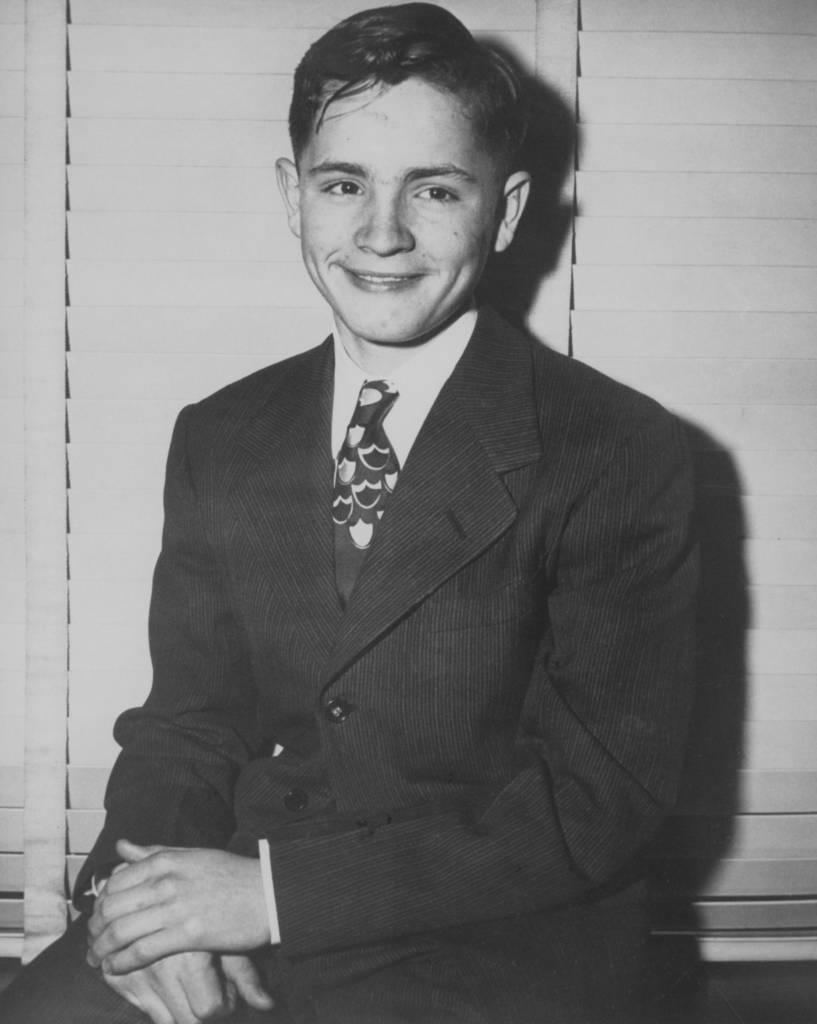
At first glance, the young boy in the photograph appears no different from countless other children growing up in America during the 1930s. With a youthful face and an ordinary appearance, there is nothing to suggest the dark path that lay ahead.
Yet this child would eventually become one of the most notorious figures in criminal history.
The boy was Charles Manson, a man whose name would later become synonymous with manipulation, violence, and one of the most shocking murder cases of the 20th century.
A Childhood Marked by Instability
Born on November 12, 1934, in Cincinnati, Manson entered the world under difficult circumstances.
His mother was only 16 years old when he was born, and his father disappeared before he ever had a chance to know him. From the beginning, his life lacked the stability many children depend on.
Things became even more complicated when his mother was convicted of robbery and assault and sentenced to prison. As a result, the young boy was sent to live with relatives in McMechen.
Although he was reunited with his mother after her release, the relationship was far from stable. She struggled with alcoholism and frequently disappeared for days at a time, leaving him in the care of others.
For a brief period, Manson reportedly experienced happiness when his mother first returned home. Unfortunately, those moments were short-lived.
A Pattern of Trouble Begins
As he grew older, behavioral problems became increasingly common.
He frequently skipped school, stole small items, and found himself in constant trouble with authority figures. According to later accounts, he claimed to have set fire to a school building while still a child.
His behavior eventually led to placements in various reform schools and juvenile institutions.
Rather than helping him find stability, many of these facilities exposed him to harsh discipline and violence. Some institutions relied on strict punishments, and Manson repeatedly ran away, choosing life on the streets over confinement.
He spent periods sleeping outdoors, under bridges, and wherever he could find shelter.
As the years passed, his criminal activity escalated from petty theft to more serious offenses.
Psychological evaluations conducted during his youth reportedly described him as highly antisocial and increasingly resistant to authority.
A Life Defined by Crime
By adulthood, Manson had already accumulated an extensive criminal record.
Over the years, he was repeatedly arrested for theft, fraud, car theft, and other offenses. He spent much of his early adult life moving in and out of correctional facilities.
Prison became a recurring part of his existence.
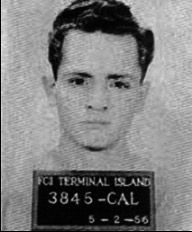
During one of his incarcerations, he developed an interest in psychological manipulation, persuasion techniques, and controlling the behavior of others. These skills would later play a major role in his ability to influence vulnerable followers.
Despite occasional attempts to build a conventional life, he consistently returned to criminal behavior.
The Birth of a Cult Leader
During the late 1960s, Manson gathered a group of devoted followers who became known as the “Manson Family.”
Many of these followers were young people searching for purpose, belonging, and direction during a turbulent cultural period in American history.
Manson convinced many of them that he possessed special knowledge and insight. He presented himself as a spiritual guide while promoting increasingly bizarre and dangerous beliefs.
Among his most disturbing ideas was a prediction of an impending race war, which he referred to as “Helter Skelter.” He believed societal collapse was imminent and convinced his followers that they had a role to play in bringing about this future.
His influence over the group became so powerful that many followers obeyed his instructions without question.
Failed Dreams and Growing Resentment
Before becoming infamous, Manson had aspirations of success in the music industry.
After his release from prison, he moved to California and attempted to establish himself as a musician and songwriter.
At one point, he became acquainted with members of the legendary rock band The Beach Boys, including Dennis Wilson.
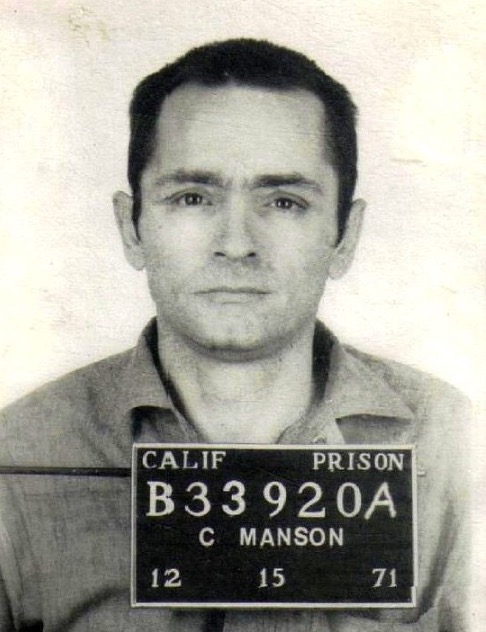
Although he hoped these connections would launch his music career, success never materialized.
Many observers believe his frustration over rejection and failure contributed to his growing bitterness and paranoia.
The Crimes That Shocked the World
Everything changed in August 1969.
Members of the Manson Family carried out a series of brutal murders that horrified the nation.
Among the victims was actress Sharon Tate, who was eight months pregnant at the time of her death. Four others were killed alongside her at a home in Los Angeles.
The following night, another couple, Leno LaBianca and Rosemary LaBianca, were also murdered.
The crimes were exceptionally violent and quickly became one of the most infamous murder cases in American history.
Although Manson did not personally commit all of the killings, prosecutors successfully argued that he orchestrated and directed the crimes through his influence over his followers.
Trial and Conviction
The subsequent investigation and trial attracted enormous media attention.
Prosecutors presented evidence showing how Manson manipulated members of his group and encouraged them to commit acts of violence.
In 1971, he was convicted of multiple counts of murder and conspiracy.
Initially sentenced to death, his punishment was later converted to life imprisonment after California temporarily abolished the death penalty.
Life Behind Bars
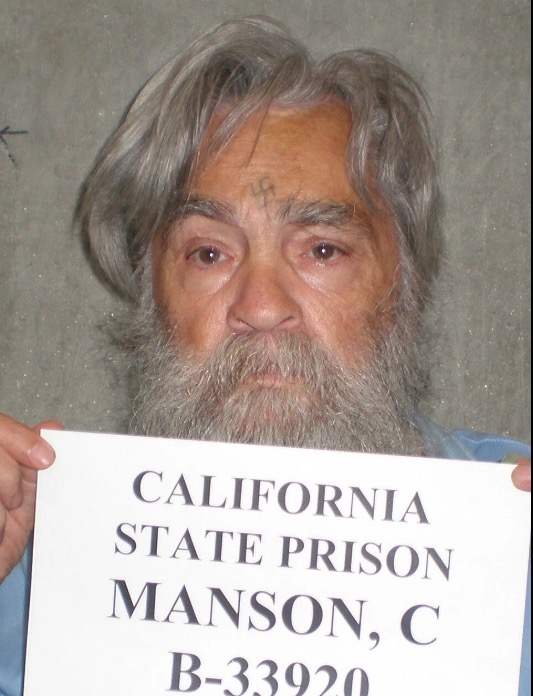
For the remainder of his life, Manson remained incarcerated.
Over the decades, he repeatedly sought parole but was denied each time.
Despite being behind bars, public fascination with his crimes never completely disappeared. Books, documentaries, films, and countless articles continued to examine both the murders and the psychological factors that contributed to his rise as a cult leader.
In November 2017, Manson died at the age of 83 after experiencing health complications that included colon cancer.
A Lasting Legacy of Infamy
Few criminals have left a cultural impact as lasting as Charles Manson.
His story remains a chilling example of how manipulation, charisma, and psychological influence can be used for destructive purposes.
While discussions about his childhood often raise questions about the role of trauma, neglect, and instability in shaping behavior, they do not excuse the horrific crimes that followed.
The innocent-looking child in that old photograph grew into a man whose actions would forever be remembered as some of the darkest chapters in modern criminal history.
His life serves as a sobering reminder that appearances alone can never reveal what lies ahead.