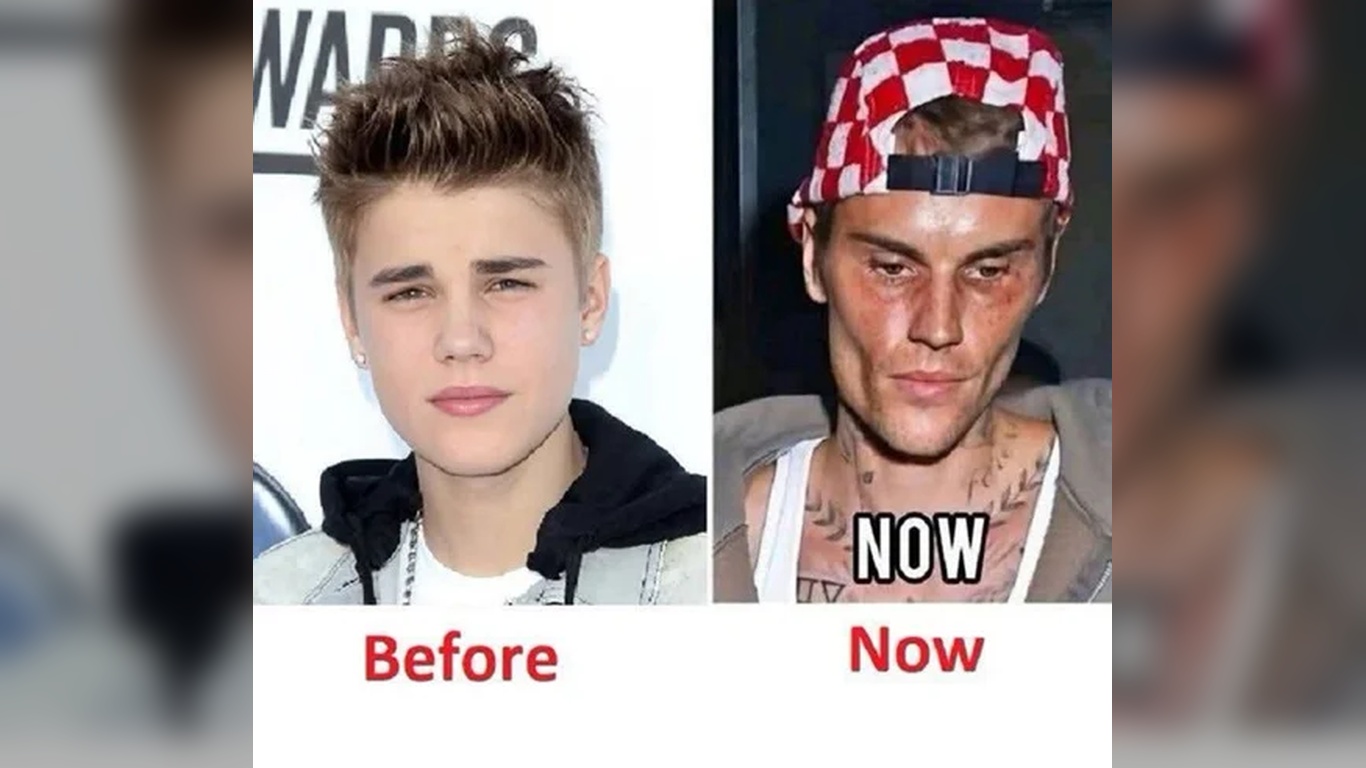
In today’s digital world, celebrities live under an almost constant microscope. Every public appearance, candid photo, interview, or social media clip can quickly become the subject of widespread discussion. Millions of people analyze even the smallest changes in a public figure’s appearance, often forming opinions within minutes.
While fame may seem glamorous from the outside, living under continuous public attention comes with enormous pressure. Experts in psychology and health have long recognized that ongoing stress can influence both emotional well-being and physical health, sometimes in ways that become visible over time.
Stress Is More Than an Emotional Experience
Stress doesn’t affect only the mind—it has a direct impact on the body as well. When someone experiences prolonged periods of pressure, the body releases hormones such as cortisol and adrenaline. These chemicals help us respond to immediate challenges by activating the body’s natural “fight-or-flight” response.
Although this response is useful during short-term emergencies, it becomes less beneficial when stress continues for weeks or months. Persistently elevated stress hormones can interfere with sleep, energy levels, appetite, concentration, and overall physical recovery. Over time, some individuals may also notice changes in their appearance, though these effects differ significantly from person to person.
No two people respond to stress in exactly the same way, making it impossible to draw conclusions about someone’s health based solely on how they look.
The Demanding Reality of Celebrity Life
For internationally known entertainers, work extends far beyond performing on stage or appearing on screen. Many juggle packed schedules filled with recording sessions, promotional events, interviews, travel, rehearsals, and business commitments.
Constant international travel often means crossing multiple time zones within short periods. This frequent disruption can interfere with the body’s internal clock, known as the circadian rhythm, making quality sleep more difficult to maintain.
Poor sleep alone can affect mood, energy, focus, and physical recovery. Combined with irregular meal schedules and nonstop travel, these challenges can leave even the healthiest individuals feeling exhausted.
Of course, these experiences are not exclusive to celebrities. Airline crews, healthcare workers, emergency responders, business travelers, and others with demanding careers often face similar physical and mental pressures.
Why Appearance Can Change Naturally
Many scientific studies have shown that stress may contribute to temporary changes in skin quality, body weight, muscle tension, and facial expressions associated with fatigue. However, these changes should never be interpreted as proof of a particular medical condition.
The human face naturally evolves throughout adulthood. Aging gradually changes facial structure, skin elasticity, and the distribution of fat beneath the skin. Hydration, nutrition, sleep habits, and everyday lifestyle choices also influence how someone looks from day to day.
Even photography itself can create misleading impressions. Camera angles, harsh lighting, makeup, facial expressions, image quality, and timing all affect how a person appears in a single photograph. A snapshot taken after a long flight or during an exhausting work schedule provides only a brief moment in time—not a complete picture of someone’s health.
How Social Media Fuels Speculation
Social media has dramatically accelerated the spread of assumptions about public figures. A single image or short video can circulate worldwide within minutes, often without any meaningful context.
This rapid sharing encourages people to form opinions before reliable information becomes available. One growing concern among medical professionals is the trend of “armchair diagnosis,” where individuals attempt to identify illnesses simply by looking at photos or videos online.
Healthcare experts consistently advise against this practice because accurate medical assessments require far more than visual observations. Personal medical history, clinical examinations, laboratory tests, and professional evaluations all play important roles in understanding someone’s health.
Meanwhile, social media algorithms often reward dramatic or emotionally charged content with greater visibility. As a result, speculative posts frequently spread faster than factual reporting, allowing misinformation to reach large audiences.
Why Fans Become Concerned
It’s understandable that fans feel emotionally connected to celebrities they admire. Music, movies, television shows, and live performances often become meaningful parts of people’s lives, creating a sense of familiarity with the artists behind them.
Because of that connection, noticeable changes in a celebrity’s appearance or behavior may naturally prompt concern.
However, genuine concern should not be confused with speculation. Unless the individual or an official representative provides verified information, assumptions about someone’s health remain exactly that—assumptions.
There are countless reasons why a person’s appearance may change, including demanding work schedules, lifestyle adjustments, stress, recovery from illness, improved fitness routines, or simply the natural aging process. These are experiences shared by people from every walk of life, regardless of fame.
Becoming a More Responsible Consumer of Media
Digital literacy has become increasingly important in today’s online environment. Understanding how photos are captured, edited, filtered, and shared helps people evaluate information more thoughtfully.
Whenever discussions arise about a public figure’s health, the most trustworthy information comes from verified statements, reputable news organizations, or official representatives. Anonymous social media posts, rumors, and unverified claims should always be approached with caution.
Responsible media consumption also means respecting personal privacy. Although celebrities often share parts of their lives with the public, they are still entitled to private medical information and personal boundaries.
Everyone Responds to Stress Differently
The human body is incredibly complex, and people react to stress in unique ways.
Some individuals gain weight during stressful periods, while others lose weight. Some experience fatigue or changes in appetite, while others develop sleep difficulties or increased muscle tension. Genetics, nutrition, mental health, physical activity, and environmental influences all contribute to these differences.
Conditions such as anxiety and chronic stress may also affect energy levels and eating habits, but these experiences vary widely between individuals. For that reason, appearance alone cannot accurately reveal someone’s overall health.
True health is shaped by a combination of physical, emotional, psychological, and environmental factors—not by a single photograph or public appearance.
Looking Beyond the Headlines
Public conversations about celebrities often focus heavily on physical appearance while overlooking the realities of being human.
Fame doesn’t protect anyone from aging, exhaustion, illness, or emotional challenges. If anything, living under constant public observation can magnify those experiences.
Viewing celebrities with empathy rather than judgment creates healthier discussions. Instead of making assumptions about their well-being, audiences can appreciate their work while recognizing that they face many of the same struggles experienced by everyone else.
A Thoughtful Perspective
When conversations arise about a celebrity’s health or appearance, context matters. Curiosity is natural, but conclusions should be based on verified information rather than speculation.
Stress, demanding schedules, travel, lifestyle changes, and the normal aging process can all influence how someone looks at any given moment. Social media often presents isolated images without the broader circumstances, making misunderstandings more likely.
Approaching these discussions with empathy, patience, and respect helps create a more responsible online environment. Public figures may live in the spotlight, but they deserve the same dignity and compassion afforded to anyone else.
Similarly, developments in high-profile legal cases deserve careful attention to verified facts rather than assumptions. For example, the date for Richard Glossip’s third trial has not yet been scheduled, and further proceedings will depend on decisions made by the court.