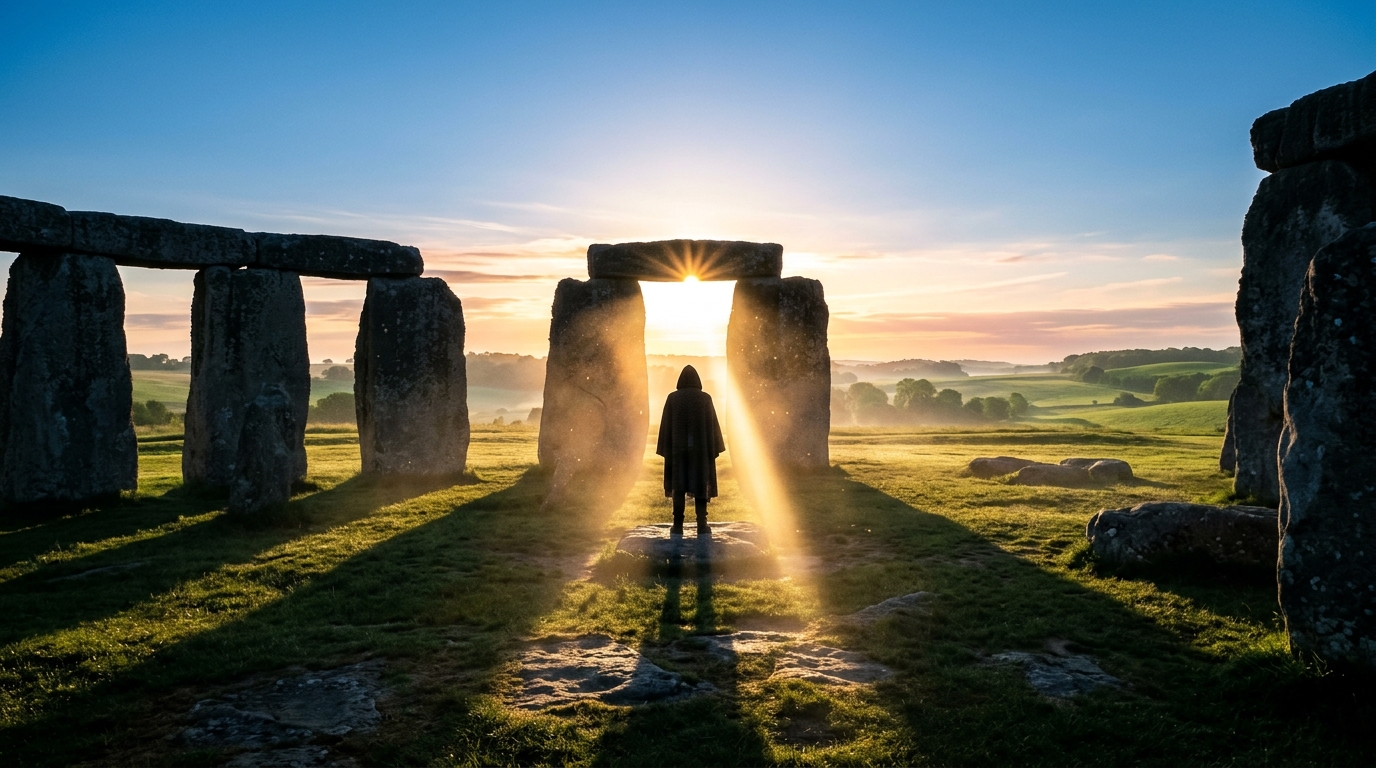
The first day of summer is more than just a date on the calendar. It marks an important astronomical event that has been observed, celebrated, and studied for thousands of years. For many people, it signals the arrival of warmer weather, longer days, outdoor adventures, and the beginning of a season associated with vacations and sunshine.
Yet there is much more to the first day of summer than most people realize. From ancient traditions and celestial mechanics to surprising differences around the globe, the summer solstice is filled with fascinating details that make it one of the most remarkable days of the year.
Here are 10 fascinating facts about the first day of summer.
1. It Is Known as the Summer Solstice
The first day of astronomical summer in the Northern Hemisphere is called the summer solstice.
The word “solstice” comes from Latin terms meaning “sun” and “standing still.” Around this time, the Sun appears to pause in its northward journey across the sky before beginning its gradual movement southward again.
This event has been recognized by civilizations around the world for thousands of years and remains one of the most important dates in the astronomical calendar.
2. It Brings the Longest Daylight of the Year
One of the most well-known features of the summer solstice is that it delivers the greatest amount of daylight in the Northern Hemisphere.
On this day, the Sun follows its longest and highest path across the sky, giving many locations more daylight hours than any other day of the year.
The farther north you travel, the more dramatic the effect becomes.
3. It Is Not the Hottest Day of the Year
Many people assume that the first day of summer must also be the hottest day of the year, but that’s usually not the case.
Although the Earth receives a large amount of solar energy around the solstice, oceans, land, and the atmosphere take time to warm up. This delay creates what meteorologists call a seasonal lag.
As a result, the hottest temperatures often occur weeks or even months after the solstice.
4. Summer Begins at an Exact Moment
Unlike holidays that start at midnight, the first day of summer begins at a precise astronomical moment.
The solstice occurs when the Northern Hemisphere reaches its maximum tilt toward the Sun. This exact instant varies slightly from year to year and can occur at different local times around the world.
Astronomers calculate this moment with remarkable precision.
5. The Midnight Sun Occurs in Some Regions
In areas located above the Arctic Circle, the summer solstice can produce a phenomenon known as the “Midnight Sun.”
During this period, the Sun remains visible even at midnight, creating nearly continuous daylight. Some northern regions experience weeks or even months without a true sunset.
This unique phenomenon attracts visitors from around the world.
6. Ancient Civilizations Built Monuments Around It
Many ancient cultures carefully observed the summer solstice and incorporated it into their architecture.
Famous sites such as Stonehenge are aligned with the sunrise on or near the solstice. Similar alignments can be found at archaeological sites across Europe, Asia, North America, and South America.
These structures demonstrate how important seasonal cycles were to early societies.
7. The Southern Hemisphere Experiences the Opposite
While the Northern Hemisphere celebrates the beginning of summer, the Southern Hemisphere experiences the start of winter.
This occurs because Earth is tilted on its axis by about 23.5 degrees. When one hemisphere tilts toward the Sun, the other tilts away from it.
As a result, seasons are reversed between the two halves of the planet.
8. The Sun Reaches Its Highest Noon Position
On the summer solstice, the Sun appears at its highest point in the sky at local noon for locations in the Northern Hemisphere.
This higher position results in more direct sunlight and contributes to the longer daylight hours associated with the season.
The exact height varies depending on latitude, but the solstice marks the year’s maximum solar elevation.
9. Cultures Around the World Celebrate the Occasion
The first day of summer has inspired celebrations for centuries.
Many cultures hold festivals, gatherings, bonfires, music events, and community celebrations tied to the solstice. These traditions often symbolize abundance, renewal, fertility, and the power of sunlight.
Even today, millions of people participate in summer solstice events worldwide.
10. Days Begin Getting Shorter Immediately Afterward
One of the most surprising facts about the first day of summer is that daylight begins gradually decreasing immediately after the solstice.
Although summer is just beginning, each day afterward becomes slightly shorter than the one before. The change is usually so small at first that it goes unnoticed.
The process continues until the winter solstice, when daylight reaches its annual minimum in the Northern Hemisphere.
Why the Summer Solstice Matters
The summer solstice is a reminder of Earth’s dynamic relationship with the Sun. It marks a turning point in the annual cycle of seasons and highlights the role of our planet’s axial tilt in shaping climate, daylight, and life on Earth.
For thousands of years, people have used the solstice to track time, guide agricultural activities, celebrate seasonal change, and connect with the natural world. Modern science has deepened our understanding of the event, but its sense of wonder remains just as powerful today.
Whether observed through astronomy, cultural traditions, or simply enjoying a long sunny day, the summer solstice continues to capture human imagination.
Conclusion
The first day of summer is far more than the start of a warm season. It is an extraordinary astronomical event that produces the longest daylight of the year, influences weather patterns, inspires cultural celebrations, and showcases Earth’s unique relationship with the Sun.
From ancient monuments aligned to the solstice sunrise to the Midnight Sun shining above the Arctic Circle, the summer solstice remains one of nature’s most fascinating annual events. Understanding the science and history behind it makes this special day even more remarkable.
As summer begins, it’s worth taking a moment to appreciate the celestial mechanics and centuries of human tradition that make the first day of the season so unique.







