Diabetes is one of the most common chronic health conditions in the world, yet millions of people live with it for years before receiving a diagnosis. One reason is that the early symptoms can be subtle and easy to overlook. What starts as occasional fatigue, increased thirst, or minor vision changes may gradually develop into more serious health concerns if left untreated.
Whether it’s Type 1 diabetes, Type 2 diabetes, or prediabetes, the condition affects how the body processes glucose, the primary source of energy for our cells. When blood sugar levels remain too high for extended periods, it can impact nearly every organ system, including the heart, kidneys, eyes, nerves, and immune system.
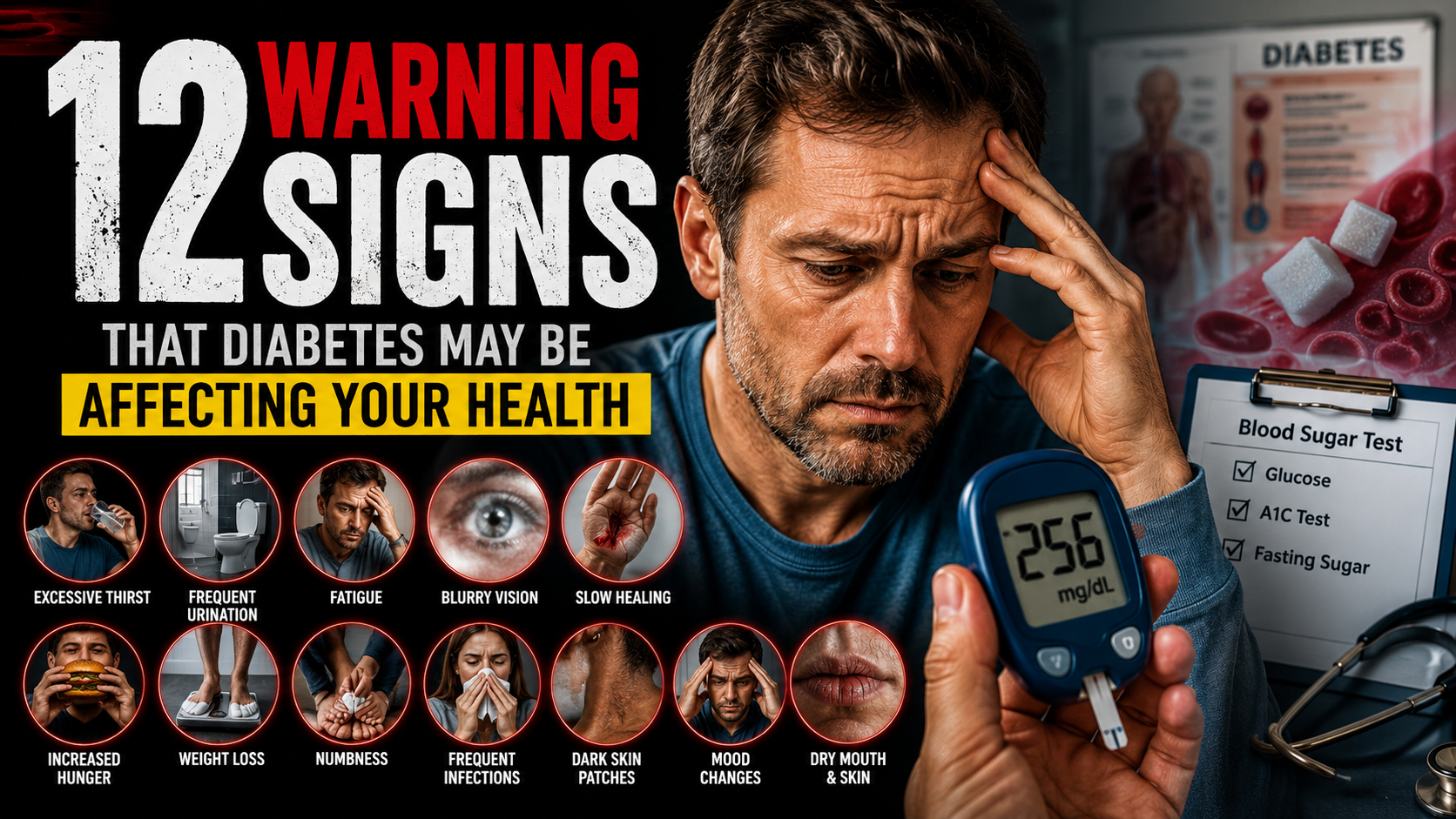
The good news is that recognizing the warning signs early can lead to faster diagnosis, better treatment, and a healthier future. Here are 12 important signs that diabetes may be affecting your health.
1. You Feel Constantly Thirsty
One of the most recognizable symptoms of diabetes is excessive thirst.
When blood sugar levels rise, the kidneys work harder to remove excess glucose from the bloodstream. This process causes the body to lose more fluids through urine, increasing the risk of dehydration.
As a result, many people find themselves reaching for water throughout the day and still feeling thirsty. If you’re drinking more fluids than usual but never seem satisfied, it may be worth discussing with a healthcare professional.
2. Frequent Trips to the Bathroom
Increased urination often goes hand in hand with excessive thirst.
Because the body is trying to eliminate extra sugar through urine, people with uncontrolled diabetes may notice they need to use the restroom much more often, especially during the night.
Waking up multiple times to urinate can disrupt sleep quality and leave you feeling tired during the day. While frequent urination can have several causes, persistent changes should never be ignored.
3. Ongoing Fatigue and Low Energy
Everyone feels tired occasionally, but diabetes-related fatigue is different.
When glucose cannot effectively enter the body’s cells due to insulin problems, the cells are unable to access the energy they need. Even if you’re eating regularly, your body may struggle to use that fuel properly.
This can leave you feeling drained, sluggish, and mentally exhausted. Many people describe it as a constant lack of energy that doesn’t improve with rest.
4. Blurred Vision
High blood sugar levels can affect the tiny blood vessels and fluid balance within the eyes.
As blood sugar fluctuates, the shape of the eye’s lens may temporarily change, leading to blurred vision. Some people notice difficulty focusing, while others experience periods of clear and blurry sight throughout the day.
Although these changes may improve once blood sugar is controlled, long-term diabetes can increase the risk of serious eye conditions. That’s why vision changes should always be taken seriously.
5. Cuts and Wounds Heal More Slowly
The body’s natural healing process depends on healthy blood circulation and immune function.
When diabetes is poorly controlled, high blood sugar can damage blood vessels and reduce the body’s ability to deliver oxygen and nutrients to injured tissues.
As a result, cuts, scrapes, and bruises may take longer than usual to heal. Small wounds, particularly on the feet and legs, should never be ignored because they can sometimes lead to complications if left untreated.
6. Increased Hunger Despite Eating Regularly
Many people with diabetes notice they feel hungry more often than normal.
Even after eating a meal, the body’s cells may not be receiving the glucose they need for energy. This can trigger signals that make you feel hungry again shortly after eating.
Persistent hunger, especially when combined with other symptoms such as thirst and fatigue, may indicate blood sugar problems that require medical evaluation.
7. Unexplained Weight Loss
Unexpected weight loss can be one of the earliest warning signs of diabetes, particularly Type 1 diabetes.
When the body cannot use glucose efficiently, it begins breaking down fat and muscle tissue for energy. This process can result in noticeable weight loss despite maintaining normal eating habits.
While many people welcome weight loss, losing weight without changing diet or exercise routines should always be investigated by a healthcare provider.
8. Tingling or Numbness in the Hands and Feet
Over time, elevated blood sugar levels can damage nerves throughout the body.
This condition, known as diabetic neuropathy, often begins with mild tingling, burning sensations, numbness, or discomfort in the hands and feet.
Some individuals describe it as feeling like pins and needles. These symptoms may appear gradually, making them easy to dismiss at first. However, early detection is important because nerve damage can worsen over time.
9. Frequent Infections
High blood sugar can weaken the immune system and make it harder for the body to fight infections.
People with diabetes may experience recurring skin infections, urinary tract infections, gum disease, or fungal infections more often than usual.
If infections seem to happen repeatedly or take longer to resolve, underlying blood sugar issues could be playing a role.
10. Darkened Areas of Skin
A lesser-known warning sign of insulin resistance is the appearance of dark, velvety patches of skin.
These patches commonly develop around the neck, underarms, elbows, or groin area. The condition is known as acanthosis nigricans and is often associated with elevated insulin levels.
Although the skin changes themselves are usually harmless, they can serve as an important clue that the body is struggling to regulate blood sugar effectively.
11. Increased Irritability and Mood Changes
Blood sugar fluctuations don’t only affect physical health—they can also influence emotional well-being.
Rapid changes in glucose levels may contribute to mood swings, irritability, difficulty concentrating, and feelings of frustration.
Some people notice they become unusually impatient or emotionally sensitive without understanding why. Maintaining stable blood sugar levels often helps improve emotional balance and mental clarity.
12. Persistent Dry Mouth and Dry Skin
Dehydration caused by elevated blood sugar levels can affect more than just thirst.
Many people with diabetes experience dry mouth, cracked lips, itchy skin, or general skin dryness. Since the body is losing fluids at a faster rate, the skin may become less hydrated than usual.
Although dry skin can result from environmental factors, ongoing dryness combined with other symptoms may signal an underlying issue with blood sugar regulation.
Why Early Detection Matters
One of the biggest challenges with diabetes is that symptoms often develop gradually. Many people adjust to the changes without realizing something more serious may be happening.
The longer blood sugar remains uncontrolled, the greater the risk of complications. Diabetes can affect the cardiovascular system, kidneys, vision, nerves, and overall quality of life.
Fortunately, early diagnosis allows individuals to take action before significant damage occurs. Lifestyle changes, proper nutrition, regular physical activity, medication when needed, and routine monitoring can dramatically improve long-term outcomes.
Risk Factors Worth Knowing
While anyone can develop diabetes, certain factors increase the risk:
- Family history of diabetes
- Being overweight or obese
- Physical inactivity
- High blood pressure
- High cholesterol levels
- History of gestational diabetes
- Increasing age
- Polycystic ovary syndrome (PCOS)
- Smoking and poor dietary habits
Understanding these risk factors can help people make informed decisions about their health and seek medical advice when necessary.
Simple Steps to Support Healthy Blood Sugar Levels
Even small lifestyle improvements can make a meaningful difference.
Some healthy habits include:
- Eating a balanced diet rich in vegetables, lean proteins, and whole grains
- Limiting excessive sugar and highly processed foods
- Staying physically active most days of the week
- Maintaining a healthy body weight
- Getting adequate sleep
- Managing stress effectively
- Scheduling regular health checkups
These habits not only help reduce diabetes risk but also support overall health and well-being.
Final Thoughts
Diabetes often develops quietly, but the body usually provides warning signs long before serious complications appear. Excessive thirst, frequent urination, fatigue, blurred vision, slow-healing wounds, and numbness in the hands or feet are just some of the signals that deserve attention.
Recognizing these symptoms early can make a significant difference. The sooner diabetes is identified and managed, the greater the opportunity to protect long-term health and prevent complications.
If you notice several of these warning signs in yourself or a loved one, consider speaking with a healthcare professional. A simple evaluation could provide answers and help you take important steps toward better health.







