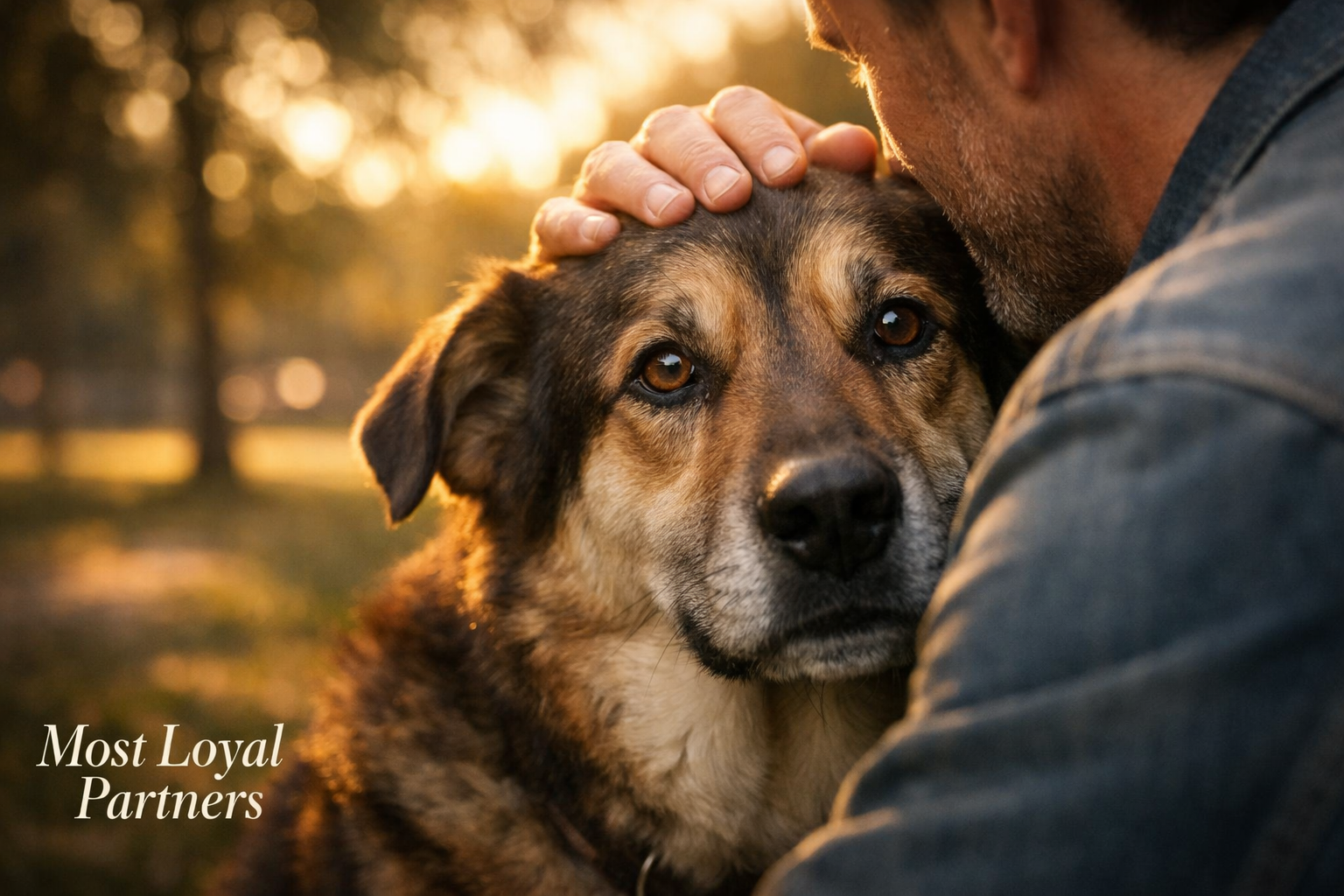
Few relationships in the animal world are as remarkable as the bond between humans and dogs. For thousands of years, dogs have lived alongside people, sharing our homes, protecting our families, and offering companionship through life’s best and worst moments. This unique connection has earned dogs a reputation as humanity’s most loyal partners—a title that many pet owners believe is well deserved.
But what exactly makes dogs so loyal? Is it simply affection, or is there something deeper behind their devotion? Research into canine behavior suggests that dogs form strong emotional attachments to humans and possess social instincts that make them exceptional companions.
Whether serving as working animals, trusted protectors, or beloved family pets, dogs consistently demonstrate qualities that set them apart from many other animals. Here are 15 reasons why dogs continue to be celebrated as some of the most loyal companions people have ever known.
1. Dogs Form Deep Emotional Bonds With Humans
One of the strongest reasons dogs are viewed as loyal companions is their ability to create meaningful emotional connections.
Unlike many animals that maintain limited interactions with humans, dogs often become closely attached to their owners. They recognize familiar voices, respond to emotional cues, and seek comfort through human contact.
Many dog owners describe their pets as family members rather than animals, and research suggests this perception isn’t purely sentimental. Dogs appear to develop genuine attachments that resemble the bonds seen in close social relationships.
These emotional connections often become stronger over time, creating a sense of trust and companionship that lasts for years.
2. They Remain Devoted Through Good Times and Bad
True loyalty is often measured during difficult moments.
Dogs don’t care about wealth, social status, or personal success. Whether their owner is celebrating achievements or facing challenges, dogs typically offer the same unwavering affection.
This consistency is one reason people often find comfort in canine companionship. Dogs don’t judge mistakes, hold grudges, or withdraw support when circumstances change.
Their ability to remain present through life’s ups and downs reinforces their reputation as dependable companions.
3. Dogs Naturally Seek Human Connection
Over thousands of years of domestication, dogs have evolved alongside people.
Unlike many animals that remain independent, dogs actively seek interaction with humans. They often look to their owners for guidance, reassurance, and companionship.
Studies have shown that dogs frequently make eye contact with people and pay close attention to human behavior. This natural desire to connect helps strengthen the bond between species.
Their social nature makes them uniquely suited to life as human companions.
4. They Are Highly Protective of Their Families
Many dogs possess strong protective instincts.
Even small breeds may attempt to defend their owners when they perceive a threat. Larger breeds are often known for their willingness to safeguard family members, homes, and property.
While not every dog acts as a guard animal, many display behaviors that reflect concern for the people they care about.
This protective tendency often stems from loyalty rather than aggression. Dogs frequently view their families as part of their social group and instinctively seek to keep them safe.
5. Dogs Offer Unconditional Affection
One of the most cherished qualities of dogs is their ability to provide affection without expectations.
They don’t require perfection from their owners. Instead, they often greet people with enthusiasm regardless of how their day has gone.
This unconditional affection can have a powerful emotional impact. Many people find comfort in knowing that their dog offers acceptance without criticism or judgment.
In a world filled with pressures and expectations, this simple form of companionship can be incredibly meaningful.
6. They Are Exceptionally Attuned to Human Emotions
Dogs are remarkably observant.
Many can detect subtle changes in body language, facial expressions, tone of voice, and behavior. As a result, they often respond differently depending on how a person feels.
Some dogs become more affectionate when their owners are sad, while others remain close during stressful situations.
Researchers continue to study canine emotional awareness, but there is growing evidence that dogs can recognize and respond to human emotions in sophisticated ways.
This sensitivity helps strengthen the human-dog relationship.
7. Dogs Thrive on Trust
Trust lies at the heart of loyalty.
Dogs often rely heavily on their owners for food, shelter, guidance, and emotional security. In return, they frequently demonstrate trust through obedience, affection, and companionship.
A well-developed bond allows dogs to feel safe and confident in their environment.
Over time, this mutual trust creates a partnership built on reliability and understanding.
The stronger the trust, the stronger the loyalty tends to become.
8. They Stand by Their Owners During Difficult Times
Throughout history, countless stories have highlighted dogs remaining beside their owners during illness, hardship, or personal struggles.
While individual experiences vary, many dogs appear especially committed during challenging circumstances.
Whether sitting quietly beside someone recovering from illness or offering comfort during emotional distress, dogs often provide a reassuring presence.
Their willingness to remain close during difficult moments is one of the qualities people admire most.
9. Dogs Excel as Service and Assistance Animals
The loyalty of dogs becomes particularly evident in their work as service animals.
Around the world, dogs assist individuals with disabilities, medical conditions, and special needs. They guide people with vision impairments, alert owners to medical emergencies, and provide emotional support.
These responsibilities require focus, training, and a strong bond between dog and handler.
The dedication displayed by service dogs demonstrates how deeply dogs can commit to helping the people who depend on them.
10. They Remember and Recognize Their Favorite People
Dogs possess impressive memory when it comes to important relationships.
Many dogs recognize family members even after extended periods apart. They often respond enthusiastically when reunited with familiar individuals.
This ability to remember trusted people helps explain why dogs maintain strong attachments over time.
Their excitement during reunions reflects genuine recognition and affection rather than simple routine.
11. Dogs Enjoy Being Part of a Family
Dogs are naturally social animals.
In many ways, they thrive when included in family activities and daily routines. Whether joining a walk, relaxing at home, or participating in outdoor adventures, dogs often prefer being near their human companions.
This desire for inclusion strengthens emotional bonds and reinforces feelings of belonging.
For dogs, family is more than a group of individuals—it becomes their social circle and support system.
12. They Provide Comfort During Stressful Situations
One reason therapy dogs are used in hospitals, schools, and care facilities is their calming presence.
Simply spending time with a friendly dog can help people feel more relaxed and supported. Many owners report that their pets provide emotional comfort during periods of stress, anxiety, or loneliness.
Dogs often seem to sense when someone needs companionship and willingly offer their presence.
Their ability to provide comfort without words is a powerful example of loyalty in action.
13. Dogs Adapt to Their Owners’ Lifestyles
Dogs are remarkably flexible companions.
Some happily accompany active owners on hikes and outdoor adventures, while others are content spending quiet evenings at home.
This adaptability helps dogs fit into a wide range of households and lifestyles.
Rather than demanding that owners change completely, many dogs adjust their routines to match the people they live with.
This willingness to adapt strengthens the relationship and enhances long-term companionship.
14. Their Loyalty Has Been Proven Throughout History
Stories of canine devotion can be found across cultures and historical periods.
Throughout history, dogs have served as hunting partners, guardians, messengers, rescue animals, and trusted companions. Their willingness to work alongside humans has helped establish one of the oldest partnerships between species.
Many famous accounts describe dogs displaying extraordinary devotion, waiting for absent owners, protecting families, or remaining loyal under difficult circumstances.
These stories continue to reinforce the image of dogs as symbols of faithfulness and dedication.
15. Dogs Love Being Needed
Perhaps one of the most unique aspects of dogs is their apparent desire to contribute.
Many dogs seem happiest when they have a role to play, whether that role involves protecting a home, assisting a person, participating in training activities, or simply providing companionship.
They enjoy interacting with their owners and often seek opportunities to be involved in daily life.
This eagerness to engage helps explain why dogs form such strong partnerships with people.
Their loyalty is not passive—it is often expressed through active participation and companionship.
Why the Human-Dog Bond Is So Special
The relationship between humans and dogs is unlike almost any other connection in the animal kingdom.
Over thousands of years, dogs and humans have evolved together, learning to understand each other’s behaviors, signals, and needs. This long history has created a partnership built on cooperation, trust, and mutual benefit.
Humans provide care, protection, and companionship. Dogs offer affection, support, and loyalty.
The result is a relationship that continues to thrive across cultures and generations.
More Than Just Pets
For many people, dogs are far more than household animals.
They become trusted friends, emotional supporters, adventure companions, and valued family members. Their presence often enriches daily life in ways that go beyond practical benefits.
Research increasingly suggests that dog ownership can positively influence emotional well-being, social interaction, and overall quality of life.
While every dog has its own personality, the capacity for loyalty remains one of the species’ most admired traits.
Final Thoughts
Dogs have earned their reputation as humanity’s most loyal partners through centuries of companionship and devotion. Their ability to form deep emotional bonds, offer unconditional affection, provide protection, and remain steadfast during difficult times makes them truly exceptional companions.
While loyalty may look different from one dog to another, the underlying connection remains remarkably consistent. Dogs seek relationships built on trust, affection, and shared experiences, and they often give far more than they receive in return.
It’s no surprise that millions of people around the world consider their dogs not just pets, but lifelong friends. Their loyalty, companionship, and unwavering devotion continue to remind us why the bond between humans and dogs is one of the most extraordinary relationships in nature.







