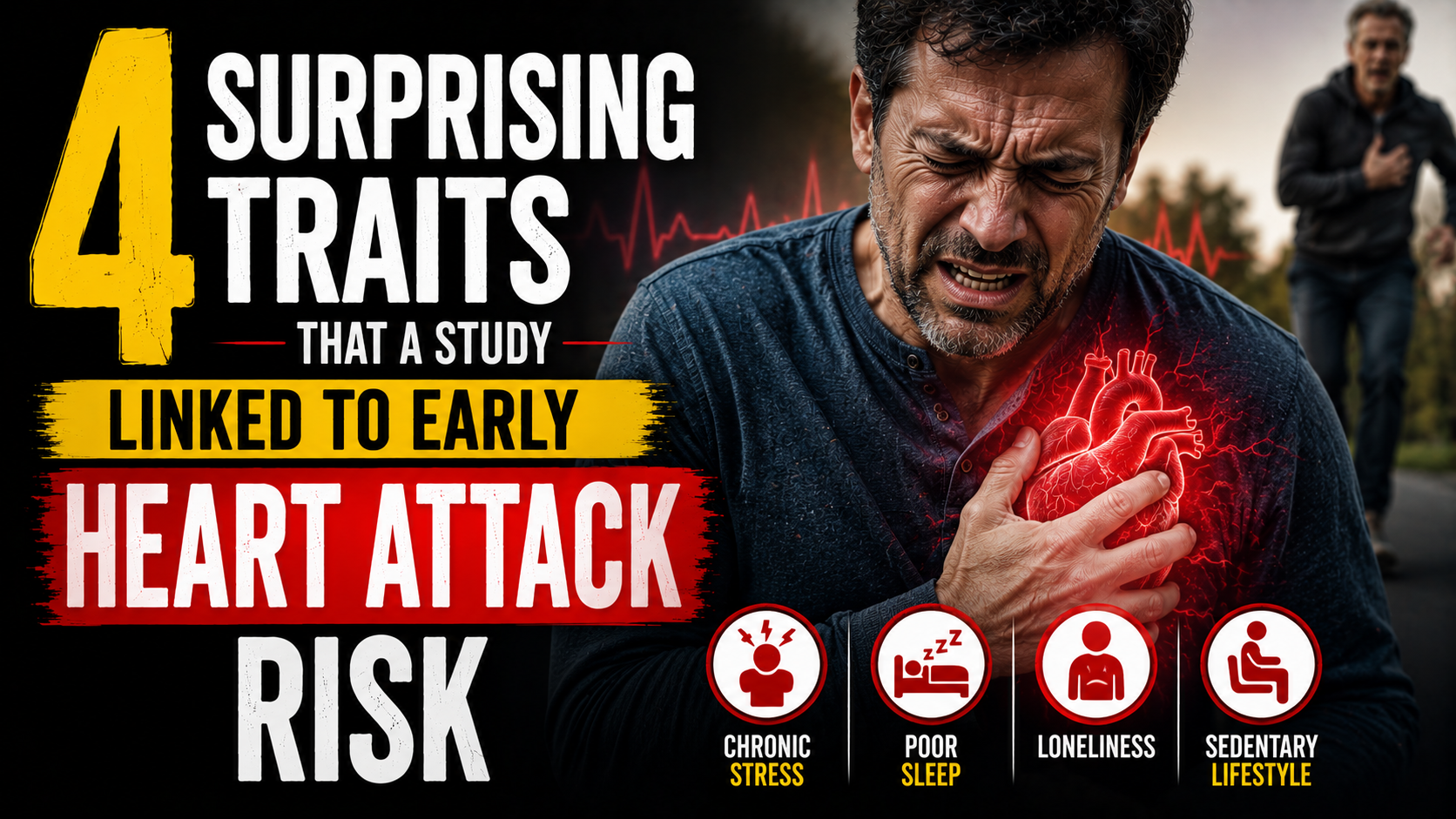
Heart disease remains one of the leading causes of death worldwide, but many cardiovascular events may be preventable through early detection and lifestyle changes. A large study presented by cardiovascular researchers has shed new light on several health traits that appear to significantly increase the likelihood of experiencing a heart attack or stroke earlier in life.
The findings highlight the importance of monitoring common health measurements that are often overlooked until serious problems develop. Researchers found that individuals with a cluster of metabolic risk factors were considerably more likely to suffer non-fatal cardiovascular events and tended to experience them years earlier than people without those risk factors.
The study serves as a reminder that heart disease rarely develops overnight. Instead, it often progresses gradually over many years, influenced by factors such as body weight, blood pressure, cholesterol levels, and blood sugar control.
Understanding these warning signs can help individuals take action long before a heart attack occurs.
What Is Metabolic Syndrome?
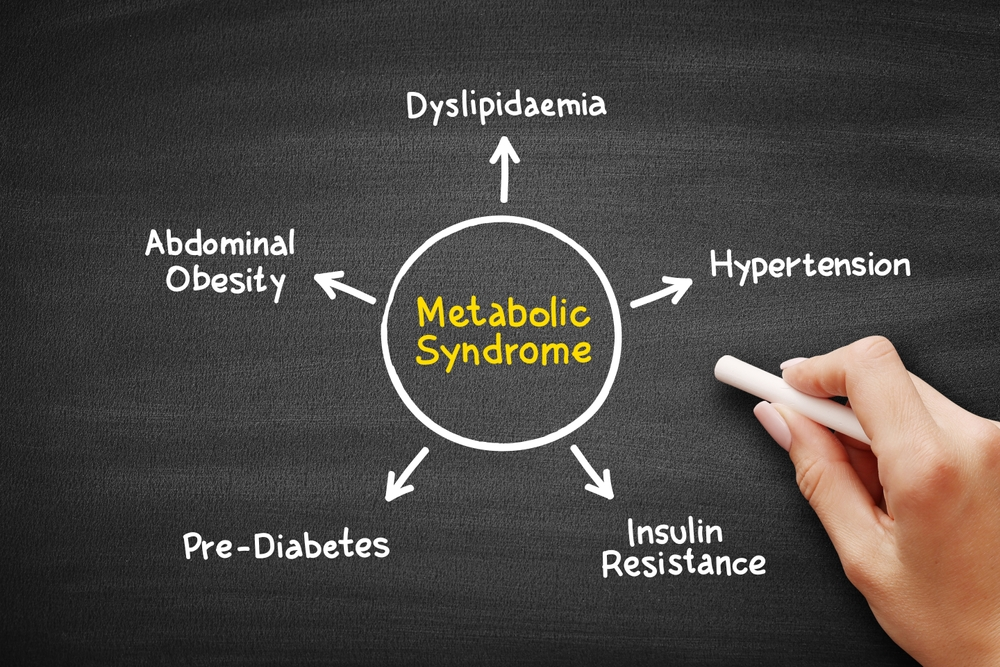
At the center of the research is a condition known as metabolic syndrome.
Metabolic syndrome is not a single disease but rather a combination of several health abnormalities that tend to occur together. When multiple risk factors are present simultaneously, the risk of cardiovascular disease rises substantially.
Typically, metabolic syndrome is diagnosed when a person has at least three of the following conditions:
- Increased waist circumference
- Elevated cholesterol or triglyceride levels
- High blood pressure
- Elevated blood sugar levels
- Reduced levels of protective HDL cholesterol
Each of these factors can negatively affect cardiovascular health on its own. However, when they occur together, their impact becomes even more significant.
What the Study Found
Researchers followed more than 34,000 adults who were primarily in their 40s and 50s. Over the course of the study, they tracked the development of cardiovascular events such as heart attacks and strokes.
The findings revealed a clear difference between individuals with metabolic syndrome and those without it.
Participants who met the criteria for metabolic syndrome experienced non-fatal cardiovascular events at a substantially higher rate than those in the comparison group. Researchers also found that the first major cardiovascular event occurred several years earlier among participants with metabolic syndrome.
These results reinforce the idea that cardiovascular risk often begins building long before symptoms become noticeable.
Why Early Detection Matters
One of the most important messages from the research is the value of early screening and prevention.
Many of the conditions associated with metabolic syndrome can develop silently. High blood pressure, elevated cholesterol, and rising blood sugar levels often produce few noticeable symptoms during their early stages.
As a result, many people remain unaware of their risk until a serious health event occurs.
Routine health screenings can help identify these problems early, providing an opportunity to intervene before permanent damage develops.
Regular checkups may include:
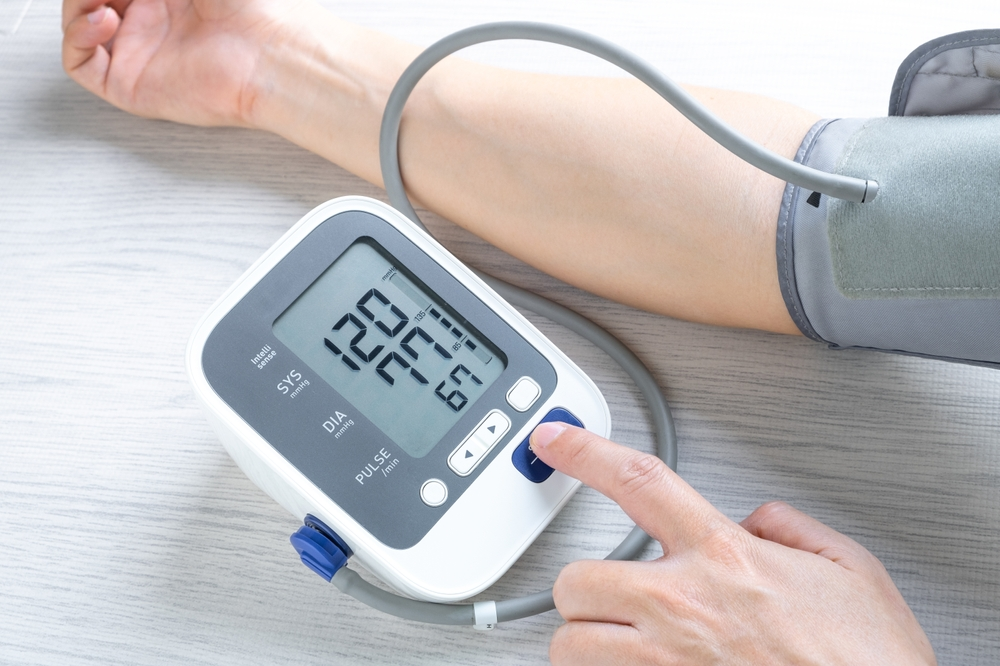
- Blood pressure measurements
- Cholesterol testing
- Blood glucose testing
- Weight and waist circumference assessments
- Cardiovascular risk evaluations
Detecting risk factors early allows healthcare providers and patients to create a plan that may significantly reduce future complications.
1. Excess Abdominal Fat

One of the strongest risk factors identified in the study was increased waist circumference.
While overall body weight matters, researchers have long recognized that where fat is stored may be even more important. Excess fat concentrated around the abdomen is strongly associated with metabolic dysfunction and cardiovascular disease.
Why Belly Fat Is Different
Abdominal fat, sometimes referred to as visceral fat, surrounds internal organs and is metabolically active. This type of fat produces inflammatory substances and hormones that can negatively affect blood vessels, insulin sensitivity, and cholesterol metabolism.
Over time, these changes can contribute to:
- Atherosclerosis (hardening of the arteries)
- Elevated blood pressure
- Insulin resistance
- Chronic inflammation
All of these conditions increase cardiovascular risk.
Waist Measurements Associated with Higher Risk
Researchers identified increased risk among individuals with waist measurements exceeding:
- 102 centimeters (40 inches) for men
- 88 centimeters (35 inches) for women
Although these measurements are useful guidelines, cardiovascular risk exists on a spectrum, meaning that smaller increases in abdominal fat can still affect overall health.
How to Reduce Abdominal Fat
Strategies that may help reduce waist circumference include:
- Regular physical activity
- Strength training
- Eating more whole foods
- Reducing added sugars
- Managing stress
- Improving sleep quality
Even modest weight loss can produce meaningful improvements in metabolic health.
2. Elevated Cholesterol Levels

Another major risk factor identified in the study was high cholesterol.
Cholesterol is an essential substance that the body uses to build cells, produce hormones, and support numerous biological functions. Problems arise when cholesterol levels become excessively high.
The Role of LDL Cholesterol
Low-density lipoprotein (LDL), often called “bad” cholesterol, can accumulate inside artery walls.
As cholesterol deposits build up, plaque forms within blood vessels. Over time, this process narrows arteries and restricts blood flow.
This buildup increases the likelihood of:
- Heart attacks
- Strokes
- Peripheral artery disease
- Other cardiovascular complications
Why High Cholesterol Often Goes Undetected
Unlike many medical conditions, elevated cholesterol typically causes no symptoms.
A person may feel completely healthy while cholesterol gradually damages blood vessels over many years.
For this reason, routine cholesterol testing is essential, particularly for adults with additional cardiovascular risk factors.
Improving Cholesterol Levels
Lifestyle changes that may help include:
- Increasing fiber intake
- Eating more fruits and vegetables
- Choosing healthy fats
- Limiting processed foods
- Exercising regularly
- Maintaining a healthy weight
Some individuals may also require medication as recommended by their healthcare provider.
3. High Blood Pressure

High blood pressure, or hypertension, continues to be one of the most significant contributors to cardiovascular disease worldwide.
The study identified elevated blood pressure as a major predictor of future heart attacks and strokes.
Understanding Blood Pressure
Blood pressure measures the force exerted against artery walls as blood circulates through the body.
When pressure remains consistently elevated, blood vessels become damaged and less flexible.
This can contribute to:
- Artery narrowing
- Heart enlargement
- Kidney damage
- Increased stroke risk
Why Hypertension Is Dangerous
High blood pressure is often called the “silent killer” because symptoms may not appear until significant damage has already occurred.
Many individuals live with hypertension for years without realizing it.
Researchers noted that elevated blood pressure may be especially concerning for women during middle age, highlighting the importance of routine monitoring.
Ways to Lower Blood Pressure
Healthy habits that can support blood pressure control include:
- Following a heart-healthy diet
- Reducing sodium intake
- Exercising consistently
- Limiting alcohol consumption
- Managing stress
- Maintaining a healthy weight
For some people, prescription medications may also be necessary.
4. Elevated Blood Sugar Levels

The final major risk factor highlighted by researchers was high blood sugar.
Elevated fasting glucose levels can indicate insulin resistance or prediabetes, both of which are strongly associated with cardiovascular disease.
The Link Between Blood Sugar and Heart Health
When blood sugar remains elevated over time, blood vessels can become damaged.
High glucose levels contribute to:
- Inflammation
- Artery damage
- Plaque formation
- Impaired circulation
This helps explain why people with diabetes face significantly higher rates of cardiovascular disease.
Warning Signs of Elevated Blood Sugar
Although early stages may be symptom-free, some people experience:
- Increased thirst
- Frequent urination
- Fatigue
- Blurred vision
- Unexplained weight changes
Regular blood testing remains the most reliable way to identify abnormal glucose levels.
Managing Blood Sugar Naturally
Many individuals can improve blood sugar control through:
- Consistent physical activity
- Weight management
- Balanced nutrition
- Limiting sugary beverages
- Increasing fiber intake
- Prioritizing sleep
Early intervention often helps prevent progression to Type 2 diabetes.
Lifestyle Changes That Support Heart Health
While these four risk factors can increase cardiovascular risk, they are also highly responsive to lifestyle improvements.
Many experts recommend adopting habits that address multiple risk factors simultaneously.
Follow a Heart-Healthy Eating Pattern
Dietary approaches such as the DASH diet and Mediterranean-style eating patterns emphasize:
- Fruits
- Vegetables
- Whole grains
- Lean proteins
- Healthy fats
- Limited processed foods
These eating styles have been associated with improved cholesterol levels, lower blood pressure, and better blood sugar control.
Stay Physically Active
Exercise remains one of the most effective tools for improving metabolic health.
Regular activity can:
- Lower blood pressure
- Improve cholesterol profiles
- Reduce abdominal fat
- Enhance insulin sensitivity
Even brisk walking for 30 minutes most days can produce significant benefits.
Avoid Tobacco Use
Smoking damages blood vessels and accelerates plaque buildup.
Quitting smoking can dramatically reduce cardiovascular risk, regardless of age.
Prioritize Preventive Care
Routine health screenings provide valuable information about cardiovascular risk factors before symptoms develop.
Preventive care allows problems to be addressed early, often preventing more serious complications later.
The Bottom Line

Heart attacks and strokes often result from years of gradually accumulating risk factors rather than a single event. Research continues to show that metabolic syndrome—a combination of increased waist circumference, elevated cholesterol, high blood pressure, and elevated blood sugar—can significantly increase the likelihood of experiencing cardiovascular problems earlier in life.
The encouraging news is that many of these risk factors are modifiable. Through regular health screenings, improved nutrition, physical activity, weight management, and other healthy lifestyle choices, individuals can take meaningful steps to protect their hearts.
Paying attention to these warning signs today may help prevent serious cardiovascular events in the future, supporting not only a longer life but also a healthier and more active one.







