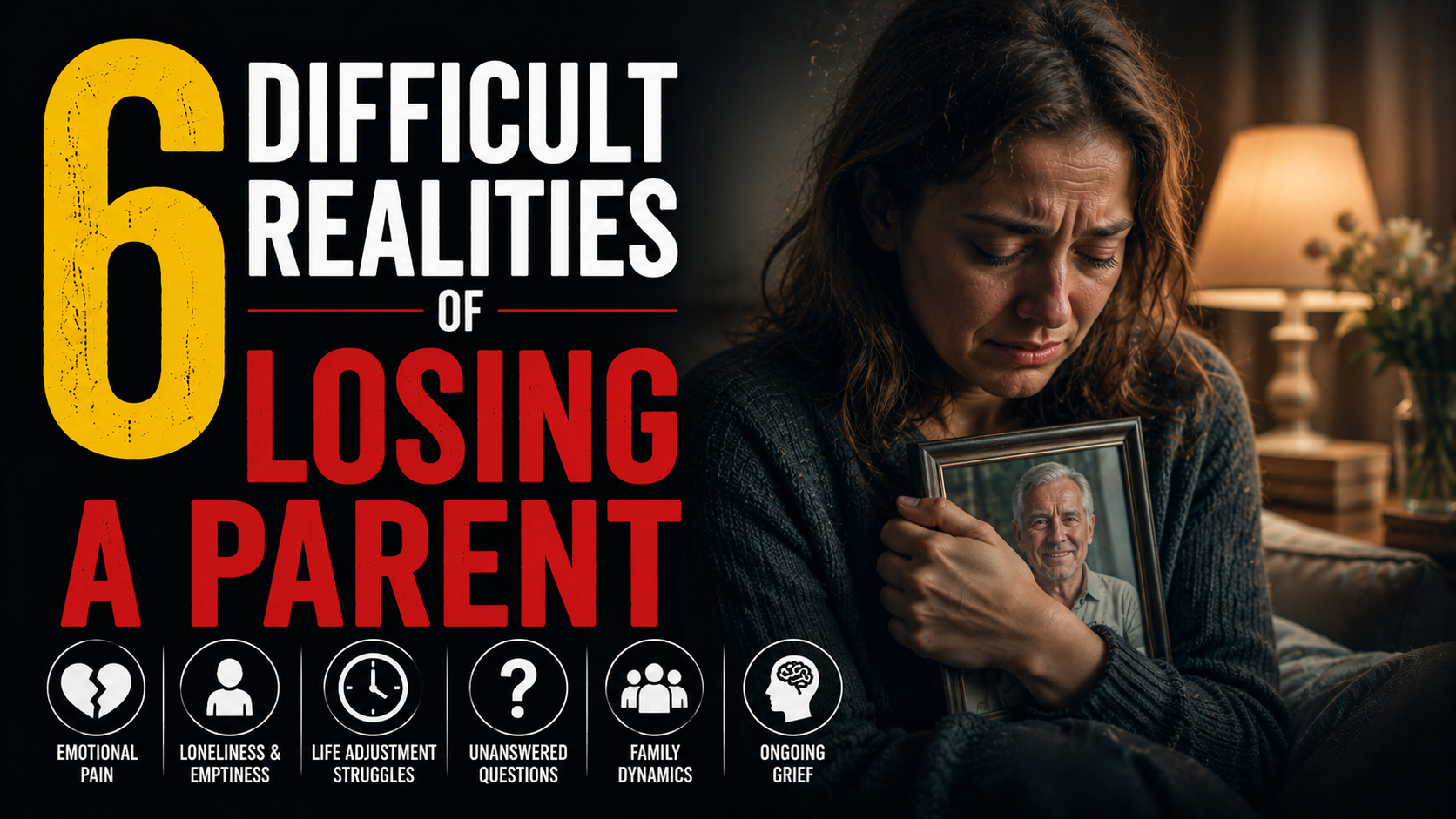
Few experiences in life are as painful as losing a parent. Whether your relationship was close, complicated, or somewhere in between, the death of a parent can leave a lasting impact that changes how you see yourself and the world around you.
Grief is deeply personal, and no two people experience it the same way. While everyone’s journey is different, there are certain emotional realities that many people encounter after losing a mother or father. Understanding these feelings can help make the grieving process a little less confusing and remind you that what you’re experiencing is normal.
1. You’ll Experience a New Kind of Loneliness
Everyone feels lonely from time to time, but losing a parent often creates a different kind of emptiness.
There is a unique comfort that comes from knowing your parent exists somewhere in the world. Even if you don’t speak every day, their presence can provide a sense of security. When that presence is gone, many people describe feeling as though a piece of their foundation has disappeared.
The realization that you can no longer call them, visit them, or hear their voice can be heartbreaking. Over time, the intensity of that emptiness may soften, but the space they occupied in your life remains significant.
While the physical relationship ends, the memories, lessons, and influence they had on your life often stay with you forever.
2. Your Support System Changes
Parents often play a unique role in our lives. They offer guidance, reassurance, encouragement, and unconditional support that is difficult to replace.
After losing a parent, many people find themselves reaching for the phone before remembering that the person they want advice from is no longer there. Major milestones, personal achievements, and difficult decisions can feel different without their input.
Although their physical presence is gone, many people continue to find comfort in the values, lessons, and wisdom their parents shared throughout their lives. In many ways, those teachings continue to guide them long after their parent has passed.
3. Grief Can Affect You in Unexpected Ways
The emotional impact of losing a parent often extends beyond sadness.
You may experience exhaustion, difficulty concentrating, mood changes, irritability, anxiety, or a lack of motivation. Some days you may feel relatively normal, while other days a memory, song, or photograph can trigger overwhelming emotions.
It’s important to remember that grief isn’t a straight path. There is no schedule for healing, and there is no “correct” way to mourn.
During this time, allowing yourself grace is essential. Rest when you need to. Seek support when necessary. Most importantly, understand that healing doesn’t mean forgetting.
4. You Don’t Truly “Get Over” the Loss
One of the hardest realities about losing a parent is that the loss never completely disappears.
As life moves forward, the pain often becomes less intense, but many people continue to miss their parent years or even decades later. Certain moments—birthdays, holidays, weddings, or the birth of a child—can bring those feelings back unexpectedly.
Rather than getting over the loss, most people learn how to carry it.
Over time, grief often transforms. The sharp pain gradually makes room for gratitude, reflection, and appreciation for the memories shared. The loss becomes part of your story rather than something that defines every day.
5. You May Feel Different Around People Who Still Have Their Parents
After losing a parent, it’s common to become more aware of other people’s relationships with theirs.
You may feel sadness when you see someone spending time with their mother or father. At times, you might even feel frustration when others seem to take those relationships for granted.
These emotions are a natural part of grief and often stem from longing rather than resentment.
For many people, losing a parent creates a deeper appreciation for time and relationships. It serves as a powerful reminder that life is finite and that meaningful connections should never be postponed.
6. Regret Often Becomes Part of Grief
Many people carry regrets after losing a parent.
You may wish you had visited more often, called more frequently, asked more questions, or spent more time together. Even those who had strong relationships often find themselves replaying moments and wondering what they could have done differently.
The truth is that most relationships are imperfect. Few people get the chance to say everything they want to say before a loved one passes away.
When regret surfaces, try to focus on the moments you did share rather than those you missed. The memories, conversations, laughter, and experiences you created together are what truly matter.
Healing Takes Time
There is no universal timeline for grief.
Some people begin to feel more like themselves within months, while others need years to adjust to such a profound loss. Healing is not measured by how quickly you move on but by how you learn to carry the loss while continuing to live your life.
For some, support from family and friends is enough. Others may benefit from speaking with a therapist, counselor, or grief support group. Seeking help is not a sign of weakness—it’s a healthy way to process one of life’s most difficult experiences.
Final Thoughts
Losing a parent is one of the most significant emotional challenges a person can face. It changes the way you view family, time, relationships, and even yourself.
While the grief may never disappear entirely, it often evolves over time. The pain gradually makes room for gratitude, cherished memories, and the lasting influence your parent had on your life.
Their absence may always be felt, but so will their love, lessons, and the countless ways they helped shape the person you are today.







