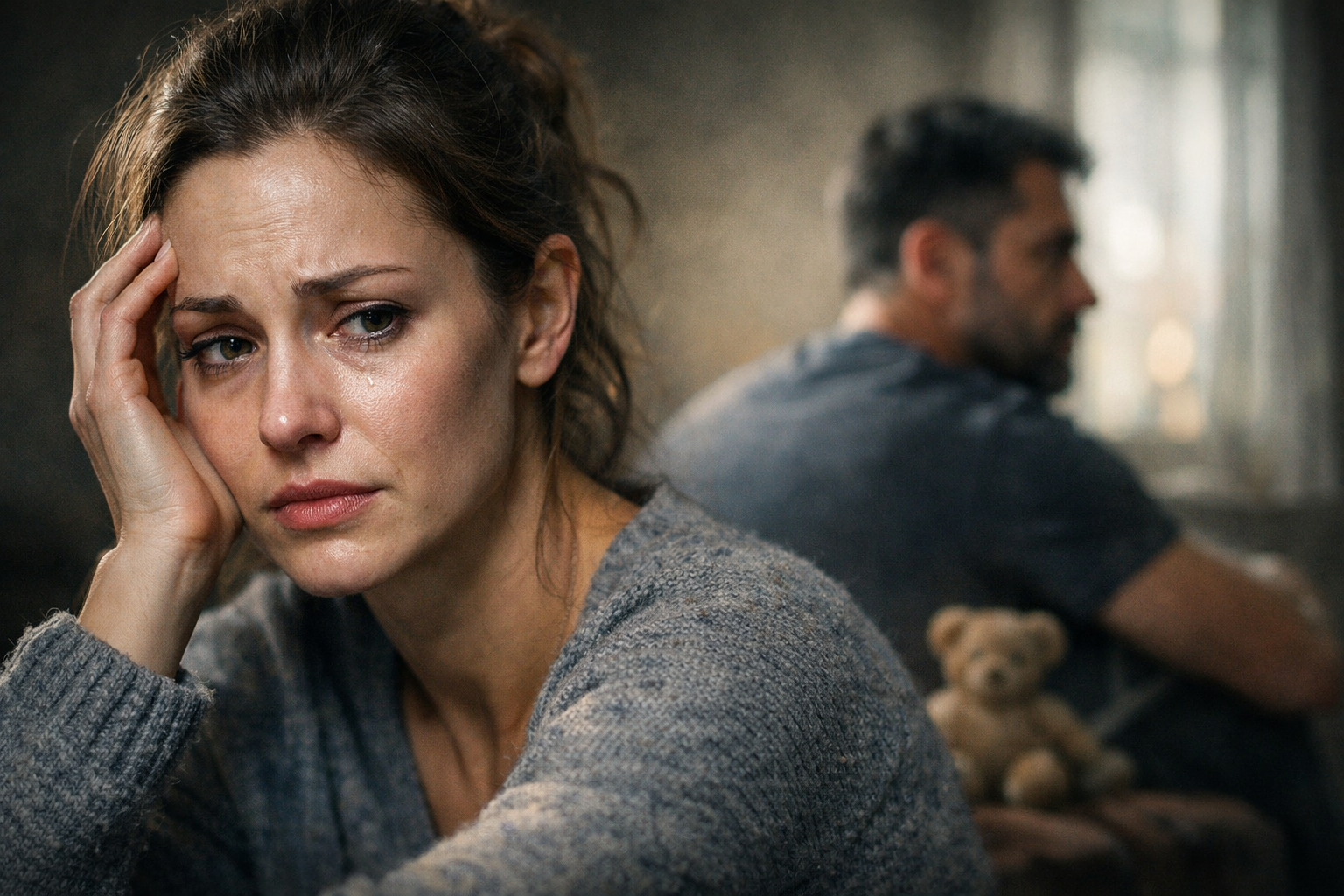
Many people find it difficult to imagine a parent not showing love, support, or emotional warmth toward their child. Yet for some individuals, childhood is marked by neglect, emotional distance, or a lack of affection. These early experiences can leave deep emotional scars that continue into adulthood, shaping relationships, self-esteem, and overall well-being.
While every person’s experience is unique, many women who grew up feeling unloved by their parents share similar emotional struggles. Here are seven common ways childhood emotional neglect can continue to affect adult life.
1. Constant Self-Doubt

One of the most common consequences of growing up without emotional validation is persistent self-doubt.
Women who felt unloved as children often struggle to recognize their own value, even when they are successful, intelligent, talented, or accomplished. Deep down, they may question whether they are truly worthy of love, respect, or happiness.
Because their emotional needs were ignored or minimized during childhood, they may also have difficulty understanding their own desires, boundaries, and identity. Over time, this uncertainty can lead to a lack of confidence in both personal and professional situations.
2. Difficulty Trusting Others

When the people who were supposed to provide unconditional love failed to do so, trusting others can become incredibly challenging.
A woman who grew up feeling emotionally neglected may constantly question the intentions of those around her. Even in healthy relationships, she may worry that affection is temporary or that people will eventually leave.
This fear isn’t necessarily based on present circumstances. Instead, it often stems from childhood experiences that taught her love was unreliable, inconsistent, or conditional.
3. Expecting Relationships to Fail

Trust issues often create another challenge: expecting the worst.
Rather than enjoying a healthy relationship, someone with emotional wounds from childhood may spend much of their time waiting for things to go wrong. They may assume rejection, abandonment, or disappointment is inevitable.
As a result, they may struggle to fully open up, avoid emotional intimacy, or hold back parts of themselves to avoid being hurt. Unfortunately, this protective behavior can make forming deep connections more difficult.
4. Struggles with Emotions and Boundaries

Children who grow up feeling unheard often become adults who have trouble expressing their feelings.
They may find vulnerability uncomfortable or fear that sharing emotions will lead to rejection. Some become highly guarded, while others suppress their feelings altogether.
At the same time, childhood emotional neglect can affect a person’s understanding of boundaries. If their own boundaries were ignored growing up, they may struggle to establish healthy limits in adulthood.
This can lead to people-pleasing behaviors, difficulty saying no, or allowing others to take advantage of them. In some cases, they may also unintentionally overlook the boundaries of others because healthy relationship dynamics were never modeled for them.
5. Normalizing Unhealthy Behavior

People often view their childhood experiences as “normal” simply because it’s all they’ve ever known.
For women who grew up in emotionally neglectful or dysfunctional homes, unhealthy behaviors may become familiar and therefore acceptable. They may unknowingly tolerate toxic friendships, unhealthy romantic relationships, or poor treatment because it feels familiar.
In contrast, individuals raised in supportive environments are more likely to recognize when something feels emotionally unsafe because they have experienced healthy relationship patterns firsthand.
Breaking this cycle often requires conscious self-reflection and healing.
6. Difficulty Expressing Love
A lack of affection during childhood can make expressing love feel complicated later in life.
Some women who grew up feeling unloved may have difficulty saying “I love you,” even when they genuinely care about someone. Others may struggle to believe those words when they hear them from a partner.
Rather than relying on verbal expressions, they may need consistent actions, reliability, and emotional safety before they can fully trust declarations of love.
This hesitation isn’t a reflection of how deeply they care—it is often a protective response developed after years of emotional disappointment.
7. Trouble Letting Go of the Past

Childhood emotional wounds don’t simply disappear with age.
Many adults who felt unloved as children struggle to let go of painful memories, difficult relationships, or unresolved emotions. They may find themselves repeatedly revisiting past experiences or holding on to people who have hurt them.
This attachment often stems from a desire to finally receive the love, approval, or validation they never received growing up.
In some cases, this difficulty letting go can even appear in everyday habits, such as holding onto possessions, gifts, or mementos connected to meaningful memories.
What Helps Healing Begin?

Although growing up feeling unloved can create significant emotional challenges, healing is absolutely possible.
Supportive relationships play an important role in recovery. Friends, partners, family members, and colleagues can help by offering encouragement, validation, and genuine emotional support.
Simple reminders can make a meaningful difference:
- Acknowledge their strengths and accomplishments.
- Remind them they are valued and appreciated.
- Encourage healthy boundaries.
- Celebrate their personal growth.
- Offer patience and understanding when trust doesn’t come easily.
Most importantly, remind them that their childhood experiences do not define their future.
Final Thoughts
The effects of emotional neglect can linger long after childhood ends. Feelings of self-doubt, trust issues, emotional barriers, and difficulty expressing love are common among adults who grew up feeling unloved.
However, awareness is often the first step toward healing. With supportive relationships, self-compassion, and, when needed, professional guidance, people can learn to overcome the emotional wounds of the past and build healthier, more fulfilling lives.
While this article focuses primarily on women, it’s important to remember that men can experience these same struggles as well. Everyone deserves love, understanding, and the opportunity to heal from the experiences that shaped them.







