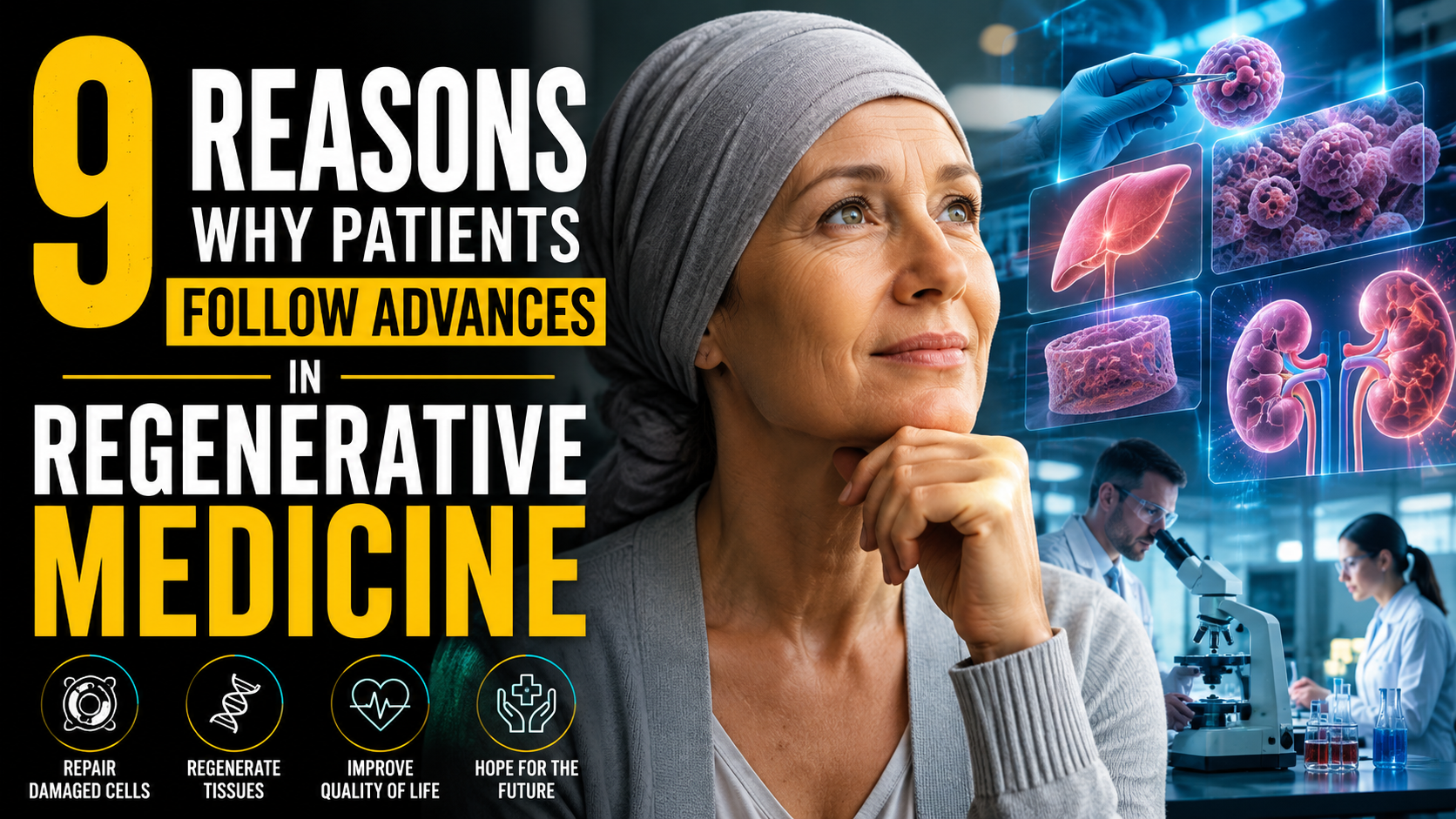
Modern medicine has achieved remarkable breakthroughs over the past century, from life-saving vaccines to advanced surgical procedures. Yet one of the most exciting areas of healthcare today goes beyond treating symptoms—it focuses on helping the body repair, replace, or regenerate damaged tissues and organs. This rapidly evolving field is known as regenerative medicine.
For millions of people living with chronic illnesses, injuries, and degenerative diseases, regenerative medicine represents more than scientific progress. It offers hope for treatments that may restore function, improve quality of life, and potentially transform how certain conditions are managed in the future.
As new discoveries continue to make headlines, patients around the world are paying close attention. Whether they are dealing with heart disease, diabetes, arthritis, kidney failure, spinal cord injuries, or other serious health conditions, many people are eager to learn how these innovations might affect their future care.
Here are nine important reasons why patients closely follow developments in regenerative medicine and why this field continues to attract global attention.
1. It Offers Hope Beyond Traditional Treatments
One of the biggest reasons patients follow regenerative medicine is the possibility of moving beyond treatments that simply manage symptoms.
Many chronic diseases require lifelong medications, ongoing therapies, or repeated medical procedures. While these approaches can be effective, they often focus on controlling a condition rather than repairing the underlying damage.
Regenerative medicine aims to change that. Researchers are exploring ways to help the body rebuild damaged tissues, restore function, and potentially reverse certain forms of injury or disease.
For patients who have exhausted conventional options, even the possibility of a more restorative treatment can provide a powerful sense of hope.
2. It Could Improve Quality of Life
Living with a chronic health condition can affect nearly every aspect of daily life.
Persistent pain, reduced mobility, fatigue, and physical limitations often impact work, relationships, and emotional well-being. As a result, patients naturally pay attention to medical advances that could help them regain independence and improve their quality of life.
Regenerative therapies are being studied for conditions involving damaged joints, nerves, muscles, and organs. If successful, these treatments could potentially help patients perform everyday activities more comfortably and with greater confidence.
For many individuals, improving quality of life is just as important as extending lifespan.
3. It Represents a New Approach to Healing
Traditional medicine often relies on medications, surgery, or medical devices to treat disease. Regenerative medicine introduces a different concept: encouraging the body’s natural repair mechanisms.
This approach appeals to many patients because it focuses on healing rather than simply managing symptoms.
Scientists are investigating how stem cells, tissue engineering, gene-based therapies, and biologically engineered materials may support regeneration and recovery.
The idea that damaged tissues could potentially be repaired rather than permanently replaced captures the imagination of both patients and healthcare professionals alike.
4. Patients Are Looking for Solutions to Organ Shortages
Organ transplantation has saved countless lives, but demand continues to far exceed supply.
Every year, thousands of patients remain on waiting lists for kidneys, hearts, livers, and other organs. Unfortunately, many people wait months or even years for a suitable donor.
Regenerative medicine offers the possibility of developing lab-grown tissues and organs that could one day reduce dependence on donor availability.
Although much of this work remains under development, the potential impact is enormous. Patients facing organ failure often follow these advances closely because they may eventually reshape transplant medicine.
5. Scientific Breakthroughs Are Happening More Frequently
Medical research is advancing faster than ever before.
New discoveries in stem cell biology, tissue engineering, artificial organs, and cellular therapies regularly appear in scientific journals and news reports. As technology improves, researchers gain better tools to understand how cells grow, communicate, and repair damage.
These breakthroughs create excitement because they suggest progress is being made toward solving some of medicine’s most challenging problems.
Patients who monitor healthcare news often see regenerative medicine as one of the most promising frontiers in modern science.
6. It May Lead to More Personalized Treatments
No two patients are exactly alike.
Genetics, lifestyle, age, environment, and medical history all influence how a person responds to treatment. Traditional therapies sometimes produce varying results because they are designed for broad populations.
Regenerative medicine has the potential to support more personalized approaches.
Researchers are exploring methods that use a patient’s own cells to create treatments tailored specifically to their biological needs. Personalized therapies could reduce complications, improve outcomes, and provide more targeted care.
For patients seeking treatment options that fit their individual circumstances, this possibility is especially appealing.
7. It Could Reduce Long-Term Healthcare Burdens
Managing chronic illness often requires years of appointments, medications, rehabilitation, and ongoing monitoring.
These long-term healthcare demands can create financial, emotional, and physical stress for patients and families.
If regenerative therapies eventually help repair damaged tissues more effectively, they may reduce the need for repeated interventions and ongoing treatment in certain cases.
While research is still evolving, the prospect of fewer procedures, shorter recovery periods, and improved long-term outcomes is a major reason patients continue to follow developments in this field.
8. It Inspires Optimism About the Future of Medicine
Health challenges can sometimes leave patients feeling uncertain about the future.
Stories about scientific innovation provide a different perspective. They remind people that medical knowledge continues to grow and that today’s limitations may not exist forever.
Throughout history, treatments once considered impossible eventually became standard medical practice. Organ transplantation, artificial joints, and advanced cancer therapies were once viewed as extraordinary concepts.
Patients often see regenerative medicine as part of that ongoing journey of progress. Following new discoveries helps them feel connected to a future where more effective treatments may become available.
9. It Could Transform the Treatment of Major Diseases
Perhaps the most compelling reason patients follow regenerative medicine is its potential to influence some of the world’s most common and serious health conditions.
Researchers are investigating regenerative approaches for:
- Heart disease
- Diabetes
- Parkinson’s disease
- Alzheimer’s disease
- Osteoarthritis
- Spinal cord injuries
- Kidney disease
- Liver disease
- Vision disorders
- Certain genetic conditions
Although many therapies remain in clinical trials or early development stages, the possibility of improving outcomes for millions of people worldwide continues to drive interest and investment.
For patients affected by these conditions, even incremental progress can feel meaningful.
Understanding the Challenges
Despite the excitement surrounding regenerative medicine, it is important to recognize that scientific progress takes time.
Many experimental therapies must undergo years of laboratory research, safety testing, and clinical trials before becoming widely available. Not every promising discovery leads to a successful treatment.
Researchers must address important challenges related to effectiveness, safety, manufacturing, regulation, and cost.
Patients should remain cautious about exaggerated claims and seek information from reputable medical institutions, scientific organizations, and healthcare providers.
Responsible optimism is often the best approach when evaluating emerging medical technologies.
What the Future May Hold
The future of regenerative medicine remains one of the most fascinating areas of healthcare research.
Scientists are exploring possibilities that include:
- Bioengineered tissues for damaged organs
- Advanced stem cell therapies
- Regenerative treatments for nerve injuries
- Personalized cell-based therapies
- Lab-grown organs for transplantation
- Gene-editing technologies
- Improved wound healing techniques
- New approaches to age-related diseases
While many of these innovations are still developing, progress continues to accelerate.
The combination of biotechnology, artificial intelligence, genetics, and cellular science is creating opportunities that were difficult to imagine just a few decades ago.
Final Thoughts
Patients follow advances in regenerative medicine because the field represents something deeply meaningful: the possibility of healing where traditional medicine has often focused on management.
From the hope of repairing damaged tissues to the dream of reducing organ shortages, regenerative medicine offers a vision of healthcare that feels both innovative and personal. Although many therapies remain under investigation, the progress being made continues to inspire patients, researchers, and healthcare professionals around the world.
As scientific discoveries move from laboratories to clinical settings, regenerative medicine may play an increasingly important role in shaping the future of healthcare. For patients searching for better options, improved outcomes, and renewed hope, it’s easy to understand why this rapidly evolving field attracts so much attention.







