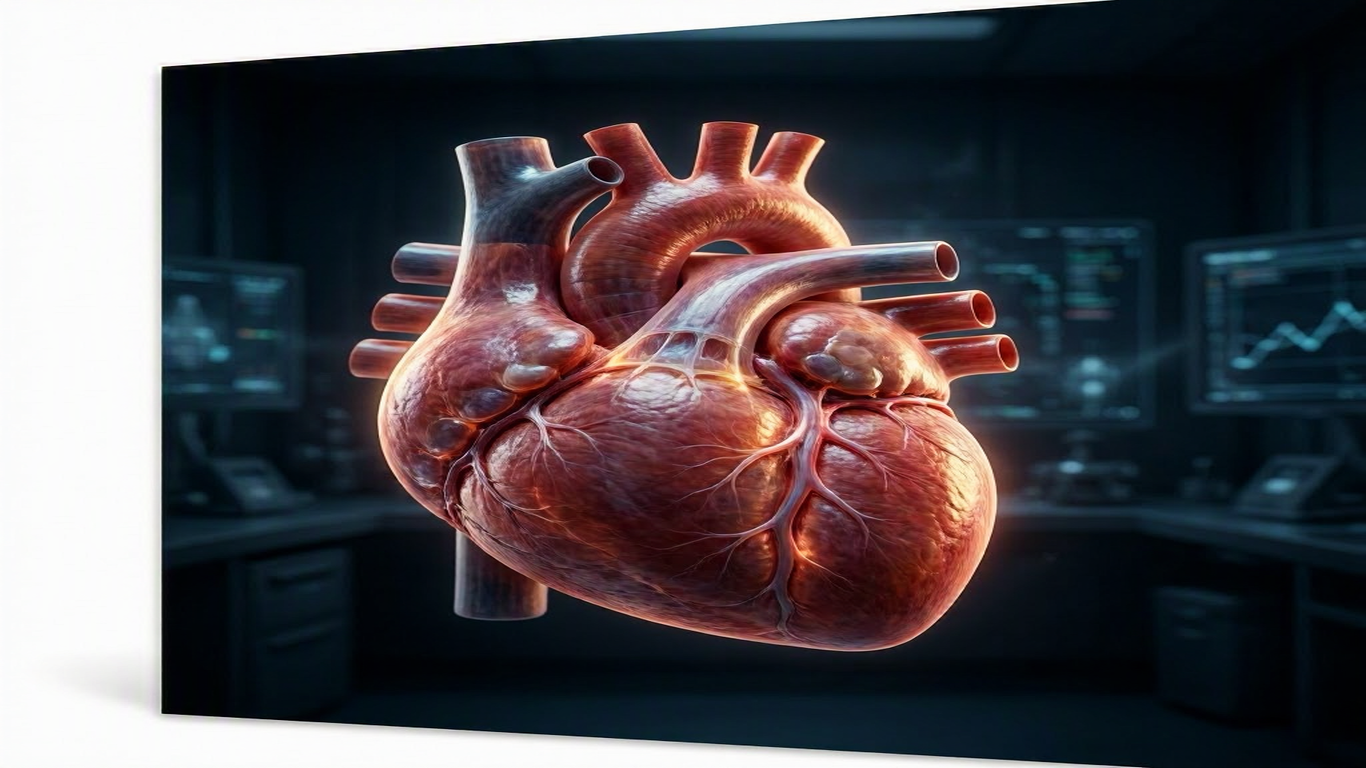
The human heart is one of the most remarkable organs in the body. It beats more than 100,000 times each day, pumping blood through a network of vessels that delivers oxygen and nutrients to every cell. Despite its incredible strength and endurance, the heart is not invincible. Heart attacks, infections, chronic disease, and other forms of injury can damage heart tissue, sometimes leaving lasting effects on a person’s health and quality of life.
For decades, scientists believed the heart had very limited ability to repair itself after significant injury. Once heart muscle was damaged, especially after a heart attack, much of that tissue was thought to be permanently lost. Today, however, researchers have a far more detailed understanding of how the heart responds to damage. While many questions remain, ongoing studies are uncovering new insights into recovery, healing, and the future of cardiac care.
Although researchers have not yet found a way to completely regenerate damaged human heart tissue in every situation, scientific discoveries continue to reveal fascinating possibilities.
Here are nine important things research says about heart tissue recovery after injury.
1. The Heart Has Some Natural Repair Abilities
For many years, medical experts assumed that adult heart muscle could not replace damaged cells. Modern research has challenged that idea.
Scientists now know that the heart possesses limited regenerative capabilities. Certain heart cells can renew themselves, although the process occurs much more slowly than in tissues such as skin or the liver.
After an injury, the body immediately activates a complex healing response. Immune cells arrive at the affected area, damaged tissue is removed, and repair mechanisms begin working to stabilize the heart.
While this natural healing process is often insufficient to fully restore lost muscle, it demonstrates that the heart is not entirely incapable of repair.
Understanding these natural mechanisms remains a major focus of cardiovascular research.
2. Inflammation Plays a Critical Role in Recovery
Inflammation often receives negative attention, but it serves an important purpose during healing.
Following heart injury, the immune system launches an inflammatory response designed to clear damaged cells and prepare the tissue for repair.
Researchers have found that this process must be carefully balanced. Too little inflammation may interfere with healing, while excessive or prolonged inflammation can contribute to additional damage.
Scientists continue studying how the immune system influences heart recovery because managing inflammation appropriately could improve long-term outcomes.
This growing field of research highlights the close relationship between immunity and cardiovascular health.
3. Scar Tissue Helps Protect the Heart
When heart muscle is severely damaged, the body often replaces injured areas with scar tissue.
Unlike healthy heart muscle, scar tissue cannot contract and pump blood effectively. However, it serves an important protective function.
Scar formation helps maintain the structural integrity of the heart and prevents further complications during the healing process.
Although scar tissue is not an ideal replacement for functioning muscle, it represents the body’s attempt to stabilize the injured area.
Researchers are exploring ways to improve this healing process while preserving heart function as much as possible.
4. Blood Vessel Growth Supports Recovery
One of the most important aspects of healing involves restoring blood flow to affected tissues.
Research shows that the body can stimulate the growth of new blood vessels through a process known as angiogenesis.
These vessels help deliver oxygen, nutrients, and healing factors to damaged regions.
Improved circulation may support tissue recovery and enhance overall heart function following injury.
Scientists are investigating therapies that encourage healthy blood vessel formation as part of broader efforts to improve cardiac repair.
Maintaining strong blood flow remains a key component of successful recovery.
5. Lifestyle Choices Influence Healing Outcomes
While advanced medical treatments play a vital role, research consistently shows that lifestyle factors can significantly influence recovery after heart injury.
Healthy eating habits, regular physical activity, quality sleep, stress management, and smoking avoidance all contribute to cardiovascular health.
Cardiac rehabilitation programs often emphasize these factors because they can improve physical function, reduce complications, and support long-term recovery.
Researchers increasingly recognize that healing is not determined solely by medical interventions.
Daily habits can influence how effectively the body adapts and recovers after injury.
This makes lifestyle management an important part of modern cardiac care.
6. Stem Cell Research Continues to Generate Interest
Among the most closely watched areas of heart research is the study of stem cells.
Stem cells possess unique characteristics that allow them to develop into various specialized cell types under certain conditions.
Scientists have been investigating whether stem-cell-based therapies could help repair damaged heart tissue or improve cardiac function.
While results have been mixed and many challenges remain, the field continues to evolve.
Researchers are learning valuable lessons about cell behavior, tissue repair, and regenerative biology that may shape future therapies.
Although stem cell treatments are not currently a universal solution for heart regeneration, they remain an important area of ongoing investigation.
7. The Heart and Hormones Are More Connected Than Expected
Emerging research suggests that hormones may influence heart recovery in ways scientists are still working to understand.
Various hormones help regulate inflammation, blood vessel growth, stress responses, metabolism, and tissue repair processes.
Some studies have explored whether naturally occurring biological signals could contribute to cardiac healing under certain circumstances.
This area of research remains active, and scientists continue examining how hormonal pathways interact with cardiovascular recovery.
The findings highlight the complexity of the body’s healing systems and the many factors involved in tissue repair.
Understanding these interactions may eventually lead to new therapeutic strategies.
8. Technology Is Accelerating New Discoveries
Modern heart research benefits from technological tools that were unavailable just a few decades ago.
Advanced imaging systems allow scientists to observe heart tissue in extraordinary detail. Genetic analysis helps researchers identify cellular pathways involved in healing. Artificial intelligence can analyze large datasets and detect patterns that might otherwise go unnoticed.
These innovations are helping researchers answer questions that once seemed impossible to investigate.
As technology continues advancing, experts expect even greater insights into how heart tissue responds to injury and how recovery processes might be improved.
Many of today’s most promising discoveries are being driven by these technological breakthroughs.
9. Future Treatments May Focus More on Regeneration
Perhaps the most exciting area of research involves the possibility of enhancing the heart’s ability to repair itself.
Scientists are exploring multiple approaches, including regenerative medicine, tissue engineering, gene-based therapies, cellular treatments, and bioengineered materials.
The goal is not simply to manage damage but to restore function whenever possible.
While significant challenges remain, researchers are increasingly optimistic about the long-term potential of regenerative strategies.
Importantly, experts caution that many of these approaches remain experimental and require extensive testing before becoming widely available.
Even so, the field continues advancing rapidly.
Why Heart Recovery Research Matters
Heart disease remains one of the leading causes of illness and death worldwide. Because of this, improving recovery after cardiac injury has enormous implications for public health.
Every advancement in understanding how the heart heals has the potential to improve treatment strategies, enhance quality of life, and reduce long-term complications.
Researchers are not only interested in helping people survive heart-related events. They are also focused on helping patients recover more effectively and maintain better heart function afterward.
This broader perspective is shaping the future of cardiovascular medicine.
Challenges Scientists Still Face
Despite remarkable progress, heart tissue recovery remains one of the most complex areas of medical research.
The heart is a highly specialized organ that must continue functioning continuously throughout life. Repairing damaged tissue without disrupting that function presents unique challenges.
Scientists must also address questions related to safety, effectiveness, long-term outcomes, and individual differences among patients.
What works in laboratory studies may not always translate directly into clinical practice.
These challenges help explain why medical advances often take years to develop and refine.
Nevertheless, researchers continue making steady progress.
The Growing Role of Personalized Medicine
Another important trend in heart recovery research is the move toward personalized care.
Scientists increasingly recognize that individuals respond differently to injury and treatment.
Genetics, age, lifestyle, medical history, and other factors can all influence recovery outcomes.
Future therapies may become more tailored to each patient’s unique biology.
By combining advanced diagnostics, genetic information, and detailed health data, healthcare providers may eventually develop more precise treatment strategies.
Personalized medicine represents one of the most promising directions in cardiovascular care.
Final Thoughts
Research into heart tissue recovery has transformed our understanding of what happens after cardiac injury. While the heart’s regenerative abilities remain limited compared to some other organs, scientists have discovered that the healing process is far more dynamic and complex than previously believed.
From inflammation and blood vessel growth to stem cells and regenerative medicine, researchers continue uncovering new insights that could shape future treatments. Although many therapies remain under investigation, the progress already made offers reason for optimism.
Perhaps the most important lesson from current research is that heart recovery involves multiple factors working together. Medical treatment, healthy lifestyle choices, biological repair mechanisms, and ongoing scientific innovation all play important roles.
As technology advances and our understanding deepens, the future of heart care may move increasingly toward therapies that not only manage damage but also support the body’s ability to heal. For millions of people affected by cardiovascular disease, that possibility represents one of the most exciting frontiers in modern medicine.







