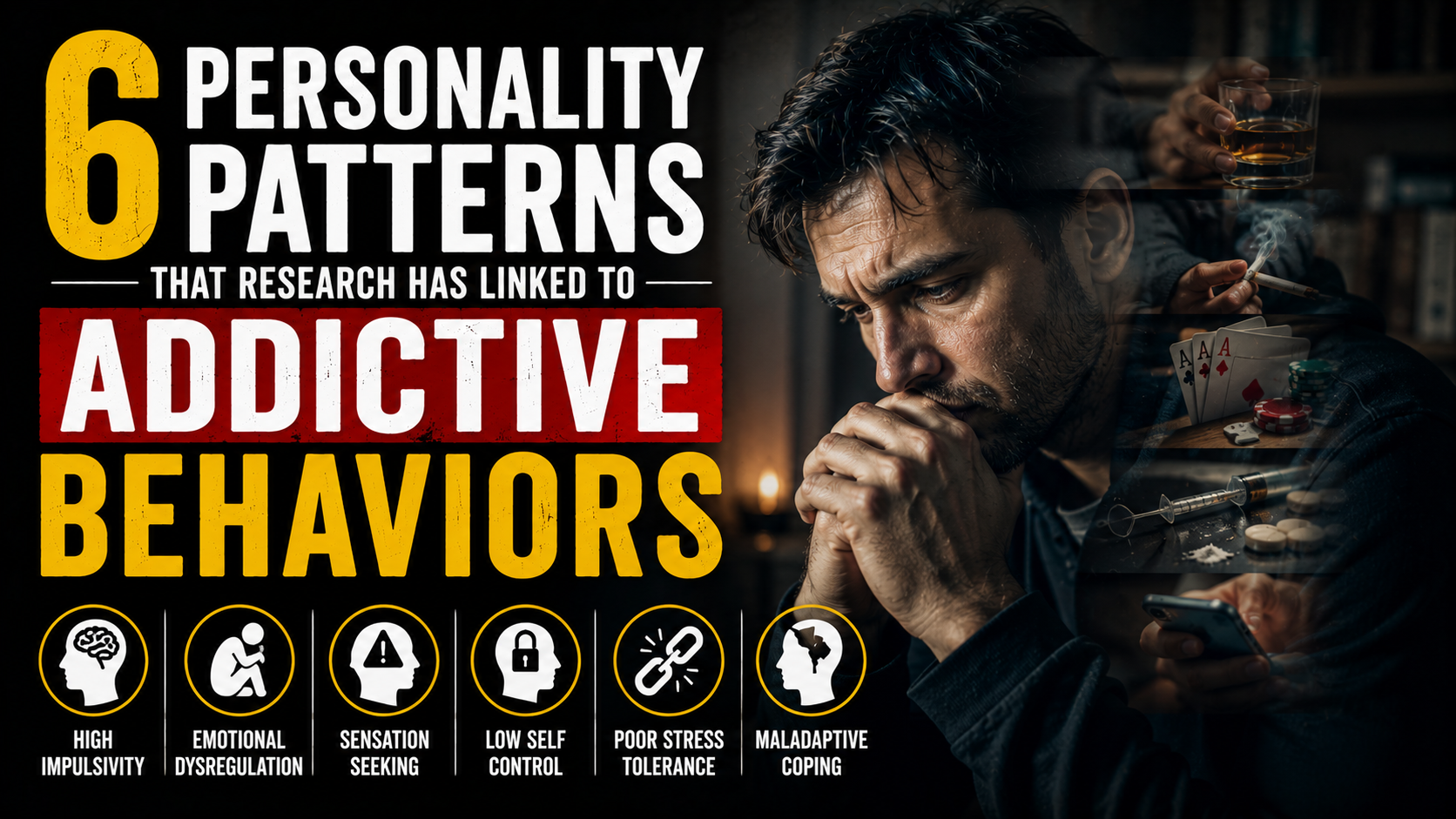
Addiction is a complex condition influenced by many factors, including genetics, environment, mental health, and life experiences. While there is no single “addictive personality,” researchers have identified several personality traits that appear more frequently among individuals who struggle with substance abuse.
Having these traits doesn’t mean someone will develop an addiction. However, understanding them can help people recognize potential vulnerabilities and build healthier coping strategies before problems arise.
1. Impulsive Behavior
Impulsive people are often seen as adventurous, spontaneous, and exciting. They tend to make quick decisions and enjoy living in the moment. While this can make life more exciting, it can also increase the likelihood of risky behavior.
People who are highly impulsive may act before considering the consequences of their actions. This tendency can make experimenting with drugs or alcohol more appealing, especially when immediate rewards seem more attractive than potential long-term risks.
Researchers have found a strong connection between impulsivity and substance abuse. This is particularly evident among individuals with Attention-Deficit/Hyperactivity Disorder (ADHD), where impulsive behavior is a common symptom. Studies show that people with ADHD are significantly more likely to experience addiction challenges compared to the general population.
2. Feeling Like an Outsider
Many individuals in addiction recovery describe themselves as people who never quite felt like they fit in.
They often see themselves as different from those around them, whether because of their interests, beliefs, personality, or life goals. While embracing individuality can be positive, persistent feelings of isolation can sometimes create emotional challenges.
When people feel disconnected from friends, family, or society, they may be more likely to seek comfort elsewhere. Unfortunately, some turn to drugs or alcohol as a way to cope with loneliness, rejection, or social anxiety.
A strong support system can play an important role in reducing this risk and helping people feel connected and understood.
3. High Levels of Anxiety
Living with anxiety can be exhausting. Constant worry, racing thoughts, and physical symptoms such as insomnia, muscle tension, panic attacks, or digestive issues can make everyday life feel overwhelming.
For some individuals, substances become a temporary escape from these feelings. Alcohol, nicotine, and certain medications may initially provide a sense of calm or relief.
The problem is that this relief is often short-lived. Over time, the body develops tolerance, meaning larger amounts are needed to achieve the same effect. This can create a dangerous cycle that increases dependence and addiction risk.
Many experts emphasize that addressing anxiety through therapy, stress management techniques, and healthy lifestyle habits is far more effective than self-medicating with substances.
4. Difficulty Handling Stress
Stress is unavoidable. Everyone faces challenges, setbacks, and difficult situations throughout life. However, some people struggle more than others when it comes to managing pressure.
Whether it’s relationship conflicts, workplace demands, financial concerns, or health issues, individuals with a low tolerance for stress may feel overwhelmed more quickly.
Without healthy coping mechanisms, substances can become an appealing way to temporarily numb uncomfortable emotions.
Fortunately, stress-management skills can be learned. Techniques such as mindfulness, exercise, counseling, and cognitive behavioral therapy (CBT) have been shown to improve resilience and help people navigate life’s challenges more effectively.
5. Constantly Seeking Excitement
Some people thrive on novelty, adventure, and stimulation. Psychologists often refer to this personality characteristic as sensation seeking.
Individuals with high sensation-seeking tendencies often enjoy activities that provide excitement and adrenaline. They may be drawn to extreme sports, travel, loud social environments, or other thrilling experiences.
While this trait isn’t inherently negative, it can sometimes increase the likelihood of experimenting with drugs or alcohol, especially if those substances are viewed as another source of excitement or stimulation.
Research suggests that sensation-seeking behavior tends to be more common among younger adults and males, groups that also experience higher rates of substance misuse.
6. Refusing to Accept Responsibility
Another trait commonly associated with addiction is blame shifting—the tendency to avoid responsibility for personal actions and decisions.
People who frequently blame others for their problems may struggle to recognize how their own choices contribute to difficult situations. In the context of substance abuse, this can look like minimizing the impact of drinking or drug use, making excuses, or insisting they could stop whenever they choose.
Taking accountability is a critical part of personal growth and recovery. Individuals who are willing to acknowledge mistakes and learn from them are often better equipped to make positive changes.
In some cases, extreme blame shifting may also be linked to certain personality disorders, including narcissistic traits, which have been associated with higher rates of substance misuse.
Understanding the Bigger Picture
It’s important to remember that personality traits are only one piece of the addiction puzzle.
Having one—or even several—of these characteristics does not mean someone is destined to develop a substance abuse problem. Many people with these traits live healthy, successful lives without ever struggling with addiction.
The key lies in self-awareness. Recognizing potential vulnerabilities allows people to develop healthy coping skills, build supportive relationships, and make choices that protect their well-being.
Final Thoughts
Addiction is rarely caused by a single factor. Instead, it often results from a combination of biological, psychological, and environmental influences.
Traits such as impulsivity, anxiety, sensation seeking, and difficulty handling stress may increase susceptibility, but they do not determine a person’s future. With the right support, healthy habits, and self-understanding, individuals can channel these characteristics in positive ways and significantly reduce their risk of developing addictive behaviors.
Understanding yourself is one of the most powerful tools for protecting your mental health and making choices that support long-term wellness.







