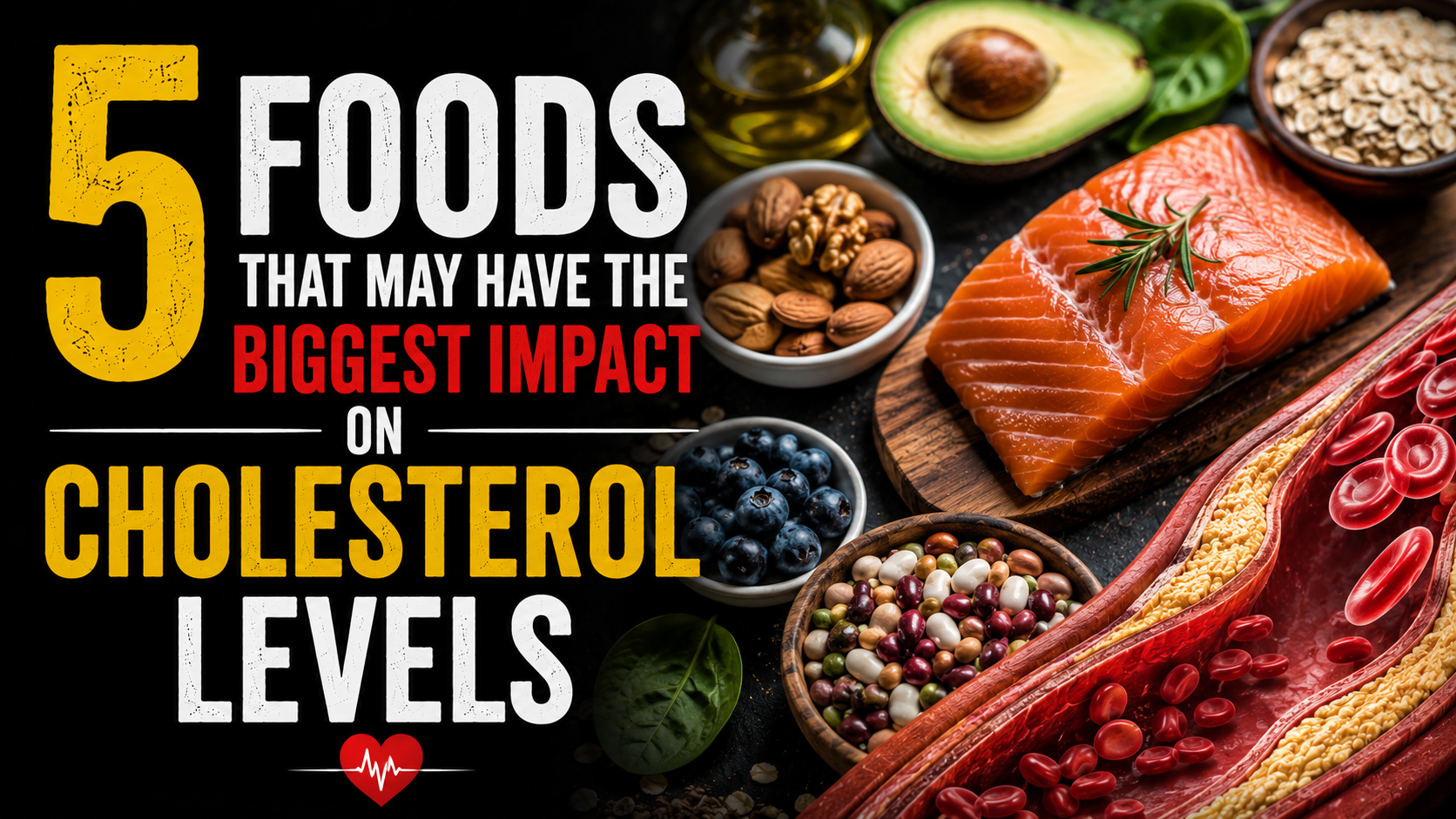
High cholesterol remains one of the most common risk factors for heart disease, affecting millions of people worldwide. While genetics can influence cholesterol levels, lifestyle choices—especially diet—play a major role in determining whether cholesterol stays within a healthy range.
Many people focus on avoiding cholesterol-rich foods, but experts increasingly emphasize that the type of fat you eat may be even more important than the cholesterol content itself. Saturated fats and trans fats can raise levels of low-density lipoprotein (LDL), often referred to as “bad” cholesterol, while healthier unsaturated fats may help support cardiovascular health.
Understanding which foods can negatively affect cholesterol levels is an important step toward protecting your heart and reducing the risk of cardiovascular disease. Fortunately, making informed dietary choices doesn’t mean giving up flavor or enjoyment—it simply involves learning where hidden sources of unhealthy fats may be lurking.
Why Cholesterol Matters
Cholesterol is a waxy substance found in every cell of the body. It plays several essential roles, including helping produce hormones, vitamin D, and substances needed for digestion. However, problems arise when cholesterol levels become unbalanced.
There are two primary types of cholesterol:
LDL Cholesterol (Low-Density Lipoprotein)
Often called “bad” cholesterol, LDL can build up inside artery walls, forming plaque that narrows blood vessels and restricts blood flow. Over time, this can increase the risk of heart attacks, strokes, and other cardiovascular conditions.
HDL Cholesterol (High-Density Lipoprotein)
Known as “good” cholesterol, HDL helps remove excess cholesterol from the bloodstream and transports it back to the liver for processing and elimination.
Maintaining a healthy balance between these two types is critical for long-term heart health.
The Role of Fat in Cholesterol Levels
Not all fats affect the body in the same way.
Many health professionals stress the importance of distinguishing between harmful and beneficial fats. Saturated fats and trans fats are known to increase LDL cholesterol levels, while monounsaturated and polyunsaturated fats may help improve cholesterol profiles when consumed as part of a balanced diet.
This distinction is one reason why some foods that contain fat can support heart health, while others may increase cardiovascular risk.
Dietary Guidelines for Cholesterol Management

Heart health experts often recommend limiting saturated fat intake to a small percentage of total daily calories. Reducing trans fats as much as possible is also considered an important strategy for lowering cardiovascular risk.
In addition to monitoring dietary fat intake, regular cholesterol testing can help identify potential issues before symptoms develop. High cholesterol often produces no noticeable warning signs, making routine screening especially important.
By understanding your cholesterol numbers and making informed dietary decisions, you can take a proactive approach to protecting your heart.
Foods That May Raise Cholesterol Levels

While occasional indulgences are unlikely to cause major problems, consistently consuming certain foods may contribute to elevated cholesterol levels over time.
Here are some of the most common dietary culprits.
1. Fried Foods
Fried foods are among the biggest contributors to unhealthy cholesterol levels.
Popular items such as:
- French fries
- Fried chicken
- Onion rings
- Mozzarella sticks
- Fried seafood
often absorb large amounts of oil during cooking. Depending on the oil used, this can significantly increase saturated fat and trans fat intake.
Frying also increases the calorie content of foods, which may contribute to weight gain—a factor that can further affect cholesterol and cardiovascular health.
Better Alternatives
Instead of deep frying, consider:
- Baking
- Air frying
- Roasting
- Grilling
These methods can provide similar flavors and textures while reducing unnecessary fat consumption.
2. Processed Meats
Processed meats are convenient and widely consumed, but they are often loaded with ingredients that may negatively affect heart health.
Examples include:
- Bacon
- Sausage
- Hot dogs
- Salami
- Pepperoni
- Deli meats
These products tend to contain high amounts of saturated fat, sodium, and preservatives.
Research has consistently linked frequent consumption of processed meats to an increased risk of cardiovascular disease and other chronic health conditions.
Better Alternatives
Healthier protein options include:
- Skinless poultry
- Fish
- Beans
- Lentils
- Tofu
- Chickpeas
These foods provide valuable nutrients without the excessive saturated fat often found in processed meats.
3. Fatty Cuts of Red Meat
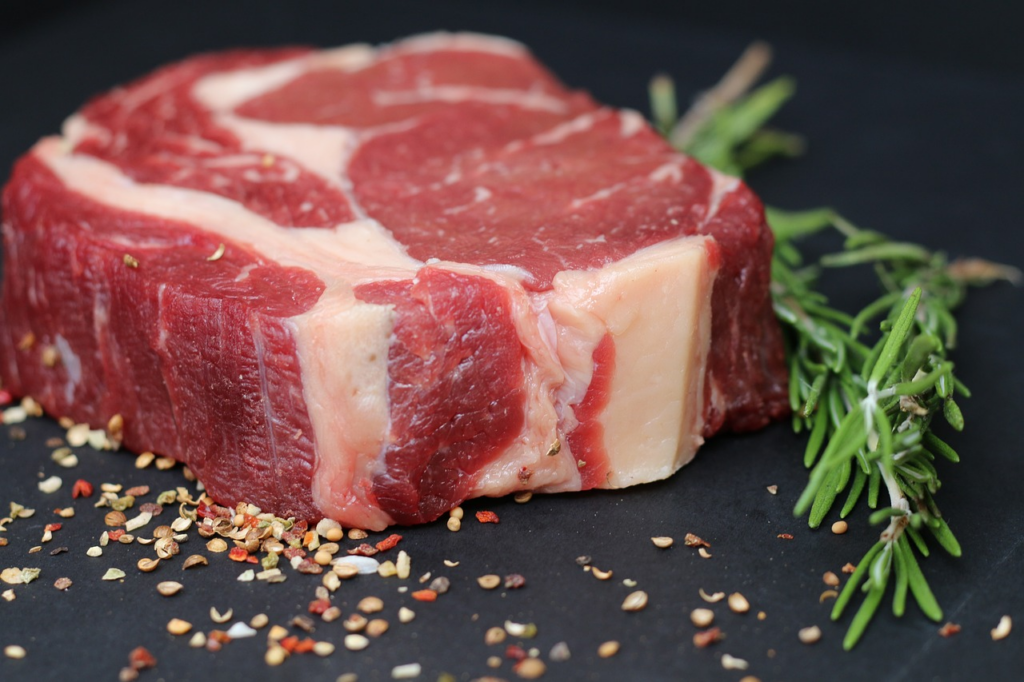
Red meat can be part of a balanced diet, but certain cuts contain substantial amounts of saturated fat.
Higher-fat options include:
- Ribeye steak
- T-bone steak
- Prime rib
- Ground beef with higher fat percentages
- Lamb chops
Regular consumption of these meats may contribute to higher LDL cholesterol levels.
Better Alternatives
Choose leaner cuts such as:
- Sirloin
- Tenderloin
- Extra-lean ground beef
- Lean pork loin
You can also replace some meat-based meals with plant-based proteins to further support heart health.
4. Commercial Baked Goods

Many baked treats contain a combination of ingredients that can negatively impact cholesterol levels.
Common examples include:
- Doughnuts
- Pastries
- Cakes
- Cookies
- Muffins
- Croissants
These products often contain large amounts of butter, shortening, palm oil, and added sugars.
Even when trans fats are not listed on labels, some baked goods may still contain ingredients that contribute to increased LDL cholesterol levels.
Better Alternatives
Healthier homemade versions can be prepared using:
- Whole-grain flours
- Unsweetened applesauce
- Greek yogurt
- Olive oil
- Nut-based ingredients
These substitutions can reduce saturated fat while still delivering satisfying flavor.
5. Fast Food Meals

Fast food often combines several cholesterol-raising ingredients into a single meal.
A typical fast-food order may include:
- Fried foods
- Processed meats
- High-fat sauces
- Refined carbohydrates
- Sugary beverages
Together, these components can contribute to elevated cholesterol levels and increased cardiovascular risk when consumed regularly.
Better Alternatives
When dining out, consider:
- Grilled options
- Salads with light dressing
- Lean protein choices
- Water instead of sugary drinks
Small adjustments can make a significant difference over time.
Hidden Sources of Unhealthy Fats
Some foods that appear healthy at first glance may contain ingredients that raise cholesterol.
Be mindful of:
Cream-Based Sauces
Many creamy sauces contain butter, cream, and cheese, all of which are high in saturated fat.
Full-Fat Dairy Products
Whole milk, heavy cream, certain cheeses, and ice cream can contribute significant amounts of saturated fat.
Packaged Snack Foods
Crackers, chips, snack cakes, and packaged desserts often contain unhealthy oils and added sugars.
Reading nutrition labels can help identify hidden sources of saturated fat that may otherwise go unnoticed.
Foods That Support Healthy Cholesterol Levels
Fortunately, many foods can help balance cholesterol levels and support cardiovascular health.
Nuts and Seeds
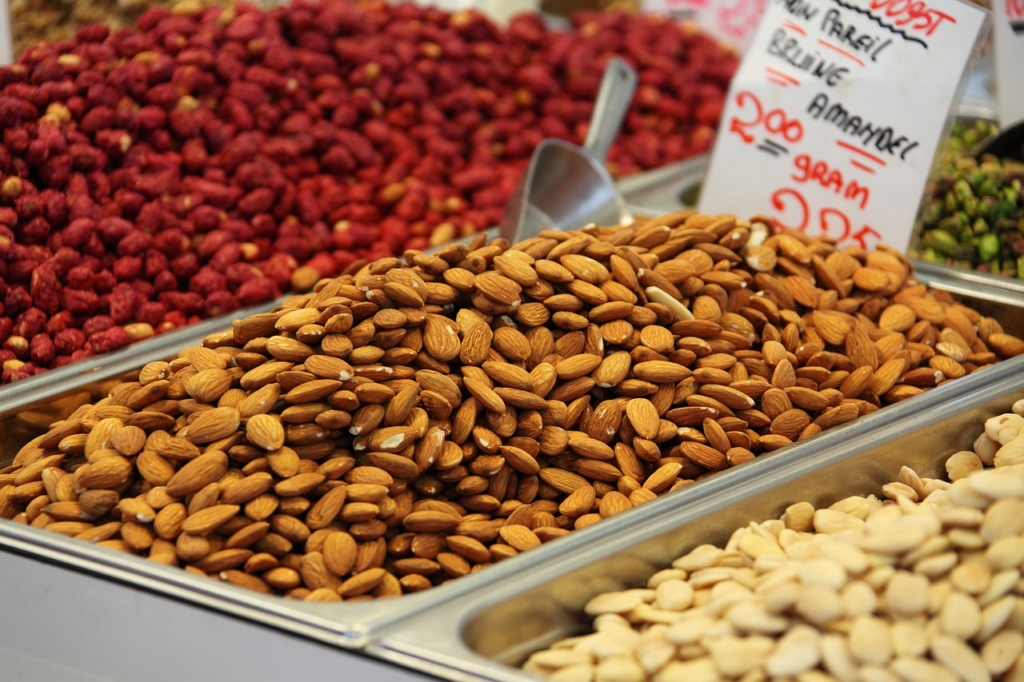
Almonds, walnuts, flaxseeds, and chia seeds contain healthy fats and plant compounds that may help lower LDL cholesterol.
Fatty Fish
Fish such as:
- Salmon
- Sardines
- Mackerel
- Trout
provide omega-3 fatty acids, which support heart health and may help reduce triglyceride levels.
Olive Oil
A staple of the Mediterranean diet, olive oil is rich in monounsaturated fats that may improve cholesterol profiles.
Oats and Whole Grains
Soluble fiber found in oats, barley, and whole grains can help reduce cholesterol absorption in the digestive tract.
Fruits and Vegetables
Produce provides fiber, antioxidants, vitamins, and minerals that support overall cardiovascular wellness.
Beans and Legumes
Lentils, black beans, kidney beans, and chickpeas are excellent sources of plant protein and fiber.
Lifestyle Habits That Help Lower Cholesterol
Diet is important, but it’s only one piece of the puzzle.
Other heart-healthy habits include:
Regular Physical Activity
Exercise can help raise HDL cholesterol while lowering LDL cholesterol and triglycerides.
Maintaining a Healthy Weight
Even modest weight loss can lead to improvements in cholesterol levels.
Avoiding Tobacco
Smoking damages blood vessels and negatively affects cholesterol balance.
Managing Stress
Chronic stress may contribute to unhealthy lifestyle habits that affect cardiovascular health.
Getting Routine Checkups
Regular cholesterol screenings help identify issues early and allow for timely intervention.
The Bottom Line

Managing cholesterol is one of the most important steps you can take to protect your heart and reduce your risk of cardiovascular disease. While genetics play a role, dietary choices have a significant impact on cholesterol levels and overall cardiovascular health.
Foods such as fried items, processed meats, fatty cuts of red meat, commercial baked goods, and many fast-food meals can contribute to elevated LDL cholesterol when consumed regularly. On the other hand, replacing these foods with heart-healthy alternatives like fish, nuts, seeds, legumes, fruits, vegetables, and healthy oils can support better cholesterol management.
Small, consistent dietary improvements often produce the most sustainable results. By paying attention to the types of fats you consume and prioritizing nutrient-rich whole foods, you can take meaningful steps toward better heart health, improved cholesterol levels, and long-term well-being.







