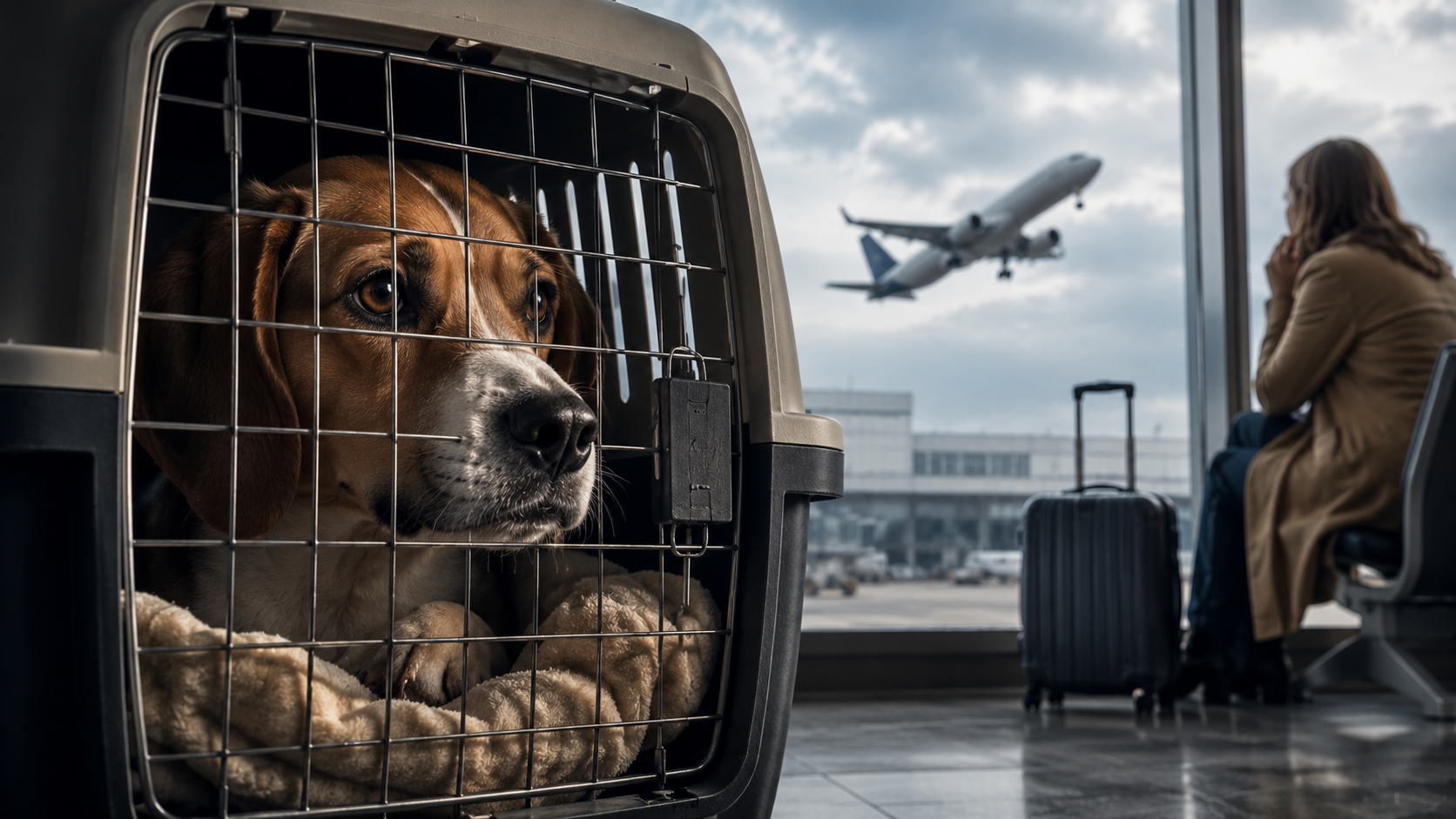
For many pet owners, dogs are more than companions—they’re family members. As air travel becomes increasingly common, more people are choosing to bring their dogs along on vacations, relocations, and extended trips. While owners often spend considerable time planning flights, packing supplies, and reviewing airline policies, one important factor is frequently underestimated: the stress that air travel can place on dogs.
Unlike humans, dogs cannot understand why they are being placed in a carrier, separated from familiar surroundings, or exposed to loud noises and unfamiliar environments. What may seem like a routine journey to an owner can feel confusing and overwhelming to a pet.
Understanding how dogs experience air travel can help owners make better decisions and take steps to minimize discomfort. Here are seven things many dog owners don’t realize about the stress associated with flying.
1. The Airport Experience Can Be More Stressful Than the Flight
When people think about pet travel, they often focus on the time spent in the air. However, many dogs begin experiencing stress long before the plane leaves the ground.
Airports are filled with unfamiliar sounds, crowds, rolling luggage, security screenings, announcements, and constant activity. Dogs that are accustomed to quiet home environments may find these surroundings overwhelming.
Even confident, social pets can become anxious when exposed to a busy airport for the first time. Long waits, changes in routine, and unfamiliar smells can further increase stress levels before boarding even begins.
Preparing a dog for the airport environment can sometimes be just as important as preparing for the flight itself.
2. Changes in Routine Affect Dogs More Than Many Owners Expect
Dogs thrive on consistency. They often feel most comfortable when daily routines remain predictable.
Air travel disrupts nearly every aspect of a dog’s normal schedule. Feeding times, bathroom breaks, exercise, sleep patterns, and familiar surroundings may all change within a short period.
Even if a dog appears calm, these disruptions can create underlying stress that may not be immediately obvious. Some dogs respond by becoming restless, withdrawn, unusually quiet, or more vocal than usual.
Maintaining as much routine as possible before and after travel can help reduce anxiety and support a smoother transition.
3. Dogs Experience Travel Differently Than Humans
Humans generally understand the purpose of travel. We know where we’re going, why we’re traveling, and when the experience will end.
Dogs lack that context.
From a dog’s perspective, being placed in a carrier, surrounded by strangers, and exposed to unfamiliar environments can feel unpredictable and confusing. They cannot anticipate what comes next or understand that the experience is temporary.
This uncertainty is one reason even well-behaved dogs may experience elevated stress during air travel. Their reactions are often linked to confusion rather than disobedience.
Recognizing this difference can help owners approach travel with greater patience and empathy.
4. Not All Stress Signals Are Obvious
Many owners assume a stressed dog will bark, whine, or act visibly upset. In reality, canine stress can appear in subtle ways.
Common signs may include excessive panting, yawning, lip licking, pacing, trembling, refusal to eat, increased shedding, or unusual fatigue. Some dogs become unusually quiet rather than hyperactive.
Because these behaviors can be easy to overlook, owners may underestimate how anxious their pets actually feel.
Understanding canine body language can help identify stress early and allow owners to respond appropriately before anxiety escalates.
5. Recovery Can Take Longer Than Expected
Many people assume that once the flight is over, their dog’s stress immediately disappears. However, some pets need time to recover from the experience.
After arriving at a destination, dogs may continue adjusting to unfamiliar surroundings, different climates, new sounds, and disrupted routines. Jet lag, travel fatigue, and environmental changes can affect pets just as they affect humans.
Some dogs bounce back quickly, while others may need several days to return to their normal behavior.
Providing opportunities for rest, exercise, hydration, and familiar routines can help support a smoother adjustment period.
6. A Familiar Carrier Doesn’t Automatically Eliminate Anxiety
Introducing a travel carrier before a trip is an excellent preparation strategy, but familiarity alone may not completely prevent stress.
A dog may feel comfortable relaxing inside a carrier at home yet react differently when that same carrier is placed in a crowded airport or unfamiliar travel environment.
External factors such as noise, motion, separation from owners, and changes in surroundings can influence how secure a dog feels during travel.
Gradual exposure to travel-related experiences before a flight can help build confidence and reduce uncertainty.
7. Emotional State Matters More Than Many Owners Realize
Dogs are highly attuned to human emotions. Numerous studies have shown that dogs can detect changes in their owners’ behavior, tone of voice, and stress levels.
When owners feel rushed, nervous, frustrated, or anxious during travel, dogs may pick up on those emotions and become more unsettled themselves.
Remaining calm, patient, and reassuring can help create a greater sense of security for a pet. While it won’t eliminate all travel-related stress, a confident owner often helps a dog feel more at ease.
This emotional connection is one reason preparation and planning can make a significant difference for both owner and pet.
How to Help Reduce Air Travel Stress for Dogs
Although some degree of stress may be unavoidable, there are several ways owners can help make travel more comfortable:
Introduce Travel Equipment Early
Allow dogs to become familiar with carriers, harnesses, and travel accessories well before departure. Positive experiences at home can help build confidence.
Maintain Familiar Routines
Whenever possible, keep feeding schedules, exercise times, and sleep routines consistent before and after travel.
Provide Physical Activity
Appropriate exercise before heading to the airport can help reduce excess energy and encourage relaxation.
Bring Familiar Items
Favorite blankets, toys, or items carrying familiar scents can provide comfort in unfamiliar environments.
Monitor Hydration
Travel can be physically demanding, so ensuring access to water before and after flights is important.
Consult a Veterinarian
For dogs with significant anxiety, medical conditions, or special travel needs, professional guidance can help owners determine the safest and most appropriate travel plan.
Is Air Travel Right for Every Dog?
An important question many owners overlook is whether flying is necessary in the first place.
While some dogs adapt well to air travel, others may find the experience extremely stressful. Factors such as age, health, temperament, breed characteristics, and previous travel experiences should all be considered.
In some situations, alternative arrangements may be less stressful than flying. Every dog is unique, and what works well for one pet may not be appropriate for another.
Making decisions based on a dog’s individual needs rather than convenience alone often leads to better outcomes.
Final Thoughts
Air travel can be an exciting opportunity for owners, but it represents a very different experience from a dog’s perspective. Loud environments, disrupted routines, unfamiliar surroundings, and uncertainty can all contribute to stress, even in otherwise confident pets.
By understanding how dogs experience travel and recognizing the less obvious signs of anxiety, owners can take meaningful steps to improve comfort and well-being throughout the journey.
The key is preparation, patience, and realistic expectations. When pet owners consider the emotional and physical impact of air travel on their dogs, they are better equipped to create a safer and more positive travel experience for their four-legged companions.
A successful trip isn’t simply about reaching the destination—it’s about ensuring that every member of the family, including the dog, arrives as comfortably as possible.







