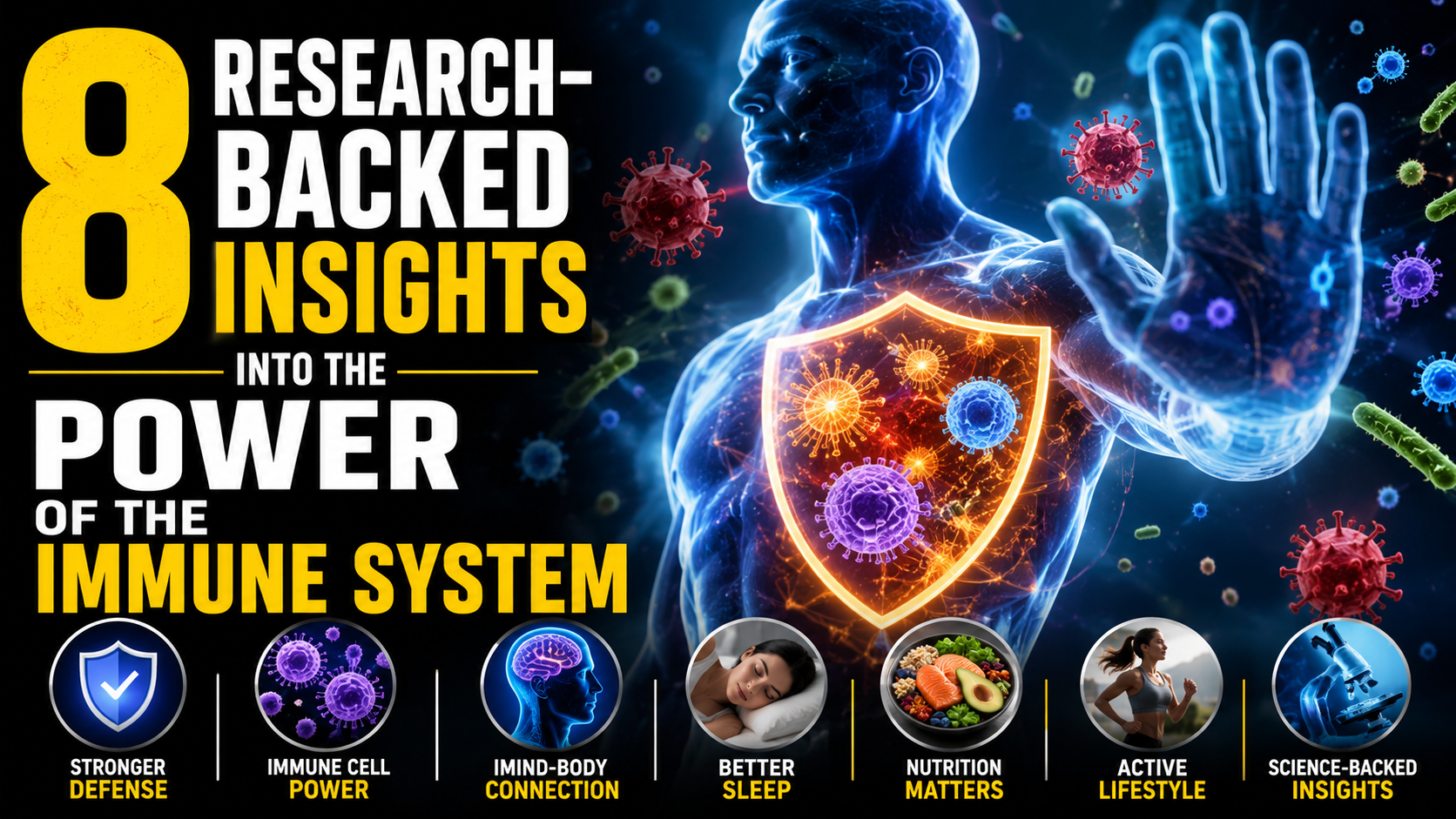
The human body is equipped with one of the most sophisticated defense networks found in nature: the immune system. Every day, it works behind the scenes to identify threats, repair damage, and maintain balance throughout the body. Most of the time, people don’t think about it unless they catch a cold, recover from an illness, or hear about a new medical breakthrough involving immunity.
Yet the immune system does far more than fight infections.
Over the past several decades, scientists have uncovered remarkable insights into how immunity influences nearly every aspect of human health. Research has revealed connections between immune function and aging, mental well-being, chronic disease, recovery from injury, and even cancer treatment. As technology advances, researchers continue discovering new ways the body’s natural defenses contribute to overall wellness.
Understanding these findings can help us appreciate just how powerful—and complex—the immune system truly is.
Here are eight research-backed insights into the extraordinary role immunity plays in protecting and supporting human health.
1. The Immune System Is Constantly Working, Even When You Feel Healthy
Many people assume the immune system only becomes active when they get sick. In reality, it operates continuously.
Every second, specialized immune cells patrol the body, searching for viruses, bacteria, damaged cells, and other potential threats. This constant surveillance helps detect problems before symptoms ever appear.
Researchers often compare the immune system to an advanced security network. Some cells act like scouts, identifying suspicious activity, while others serve as rapid-response teams capable of neutralizing threats.
This ongoing monitoring helps explain why the body successfully handles countless challenges every day without us even noticing.
In many ways, good health is often evidence that the immune system is doing its job effectively behind the scenes.
2. Immunity Involves More Than Fighting Infections
One of the biggest misconceptions about immunity is that its sole purpose is preventing illness.
Research shows the immune system contributes to many other critical functions, including:
- Tissue repair
- Wound healing
- Inflammation regulation
- Cellular cleanup
- Communication between body systems
When tissues are injured, immune cells help coordinate recovery efforts. They remove damaged material, signal repair mechanisms, and support healing processes.
Scientists continue discovering how immune activity influences organs throughout the body, highlighting its role as a central regulator of overall health rather than simply a defense mechanism.
3. Sleep and Immune Function Are Closely Connected
Research consistently demonstrates a strong relationship between sleep quality and immune performance.
During sleep, the body carries out important maintenance processes that support immune regulation. Certain immune signals become more active, and the body produces substances involved in defense and recovery.
Studies have found that insufficient sleep may affect how effectively the immune system responds to challenges.
This connection helps explain why people often feel more vulnerable to illness during periods of poor sleep, high stress, or exhaustion.
Scientists continue exploring how sleep supports immune memory, recovery, and long-term resilience.
The findings reinforce a simple but powerful message: quality sleep is one of the most important habits for supporting overall health.
4. The Immune System Has an Extraordinary Memory
One of the most fascinating discoveries in immunology is that the immune system can remember previous encounters.
When the body encounters certain threats, specialized immune cells store information about them. If the same threat appears again, the immune system may respond more efficiently.
This ability to recognize past invaders forms the basis of immune memory.
Researchers describe this process as one of the body’s most sophisticated survival tools. Instead of starting from scratch with every challenge, the immune system learns and adapts over time.
This remarkable feature demonstrates that immunity is not simply reactive—it is also capable of long-term learning.
5. Stress Can Influence Immune Function
Scientists have spent years studying the connection between the mind and the immune system.
Research suggests that chronic stress may influence immune regulation in several ways. Long periods of psychological stress can affect hormone levels and alter certain biological processes involved in immune responses.
This doesn’t mean every stressful experience weakens immunity. Temporary stress is a normal part of life.
However, prolonged stress without adequate recovery may place additional demands on the body’s regulatory systems.
Researchers continue investigating how stress management techniques such as mindfulness, exercise, social support, and relaxation practices may contribute to overall well-being.
These findings highlight the close relationship between mental and physical health.
6. The Immune System Plays a Role in Cancer Research
One of the most exciting developments in modern medicine involves understanding how immune cells interact with cancer.
Researchers have discovered that the immune system is capable of recognizing and responding to certain abnormal cells. However, some cancers develop ways to avoid detection or suppress immune activity.
This discovery led to the development of immunotherapy, an area of medicine that aims to help the immune system identify and target cancer more effectively.
While immunotherapy is not appropriate for every situation, it has transformed treatment options for some patients and remains one of the most active areas of medical research.
The success of these approaches has revealed just how powerful immune mechanisms can be when properly activated and directed.
7. Healthy Lifestyle Habits Influence Immune Resilience
Scientists increasingly recognize that everyday habits can influence overall immune health.
Research has linked several lifestyle factors to immune function, including:
- Balanced nutrition
- Regular physical activity
- Quality sleep
- Stress management
- Smoking avoidance
- Moderate alcohol consumption
No single food, supplement, or habit can “boost” immunity in a magical way. The immune system is far too complex for simple shortcuts.
Instead, researchers emphasize supporting immune resilience through consistent healthy behaviors.
These habits help create conditions that allow the body’s natural defense systems to function effectively.
The lesson from decades of research is clear: long-term health is often built through small daily choices rather than quick fixes.
8. Scientists Are Still Discovering New Immune Functions
Perhaps the most exciting insight is that researchers continue uncovering new information about immunity every year.
Advances in genetics, molecular biology, artificial intelligence, and imaging technology are providing unprecedented views into how immune cells operate.
Current areas of investigation include:
- Healthy aging
- Autoimmune conditions
- Brain-immune interactions
- Microbiome relationships
- Personalized medicine
- Chronic inflammation
- Regenerative medicine
Many experts believe some of the most important discoveries about immunity may still lie ahead.
As scientific understanding expands, the immune system increasingly appears to be one of the most influential and interconnected systems in the human body.
How the Immune System Maintains Balance
One reason immunity fascinates researchers is its ability to balance competing priorities.
The immune system must:
- Detect threats
- Eliminate harmful invaders
- Avoid attacking healthy tissues
- Repair damage
- Regulate inflammation
Accomplishing all these tasks simultaneously requires extraordinary coordination.
Too little immune activity can leave the body vulnerable to infections. Too much activity can contribute to excessive inflammation or other complications.
Maintaining this balance is one of the immune system’s most remarkable achievements.
Why Inflammation Matters
Inflammation often receives negative attention, but researchers emphasize that it serves an important purpose.
Acute inflammation is part of the body’s natural response to injury or infection.
When functioning normally, inflammation helps:
- Recruit immune cells
- Protect damaged tissues
- Support healing
- Eliminate threats
Problems may arise when inflammatory processes become prolonged or poorly regulated.
Scientists continue studying how inflammation affects long-term health and how the immune system manages these complex responses.
The Connection Between Immunity and Aging
Another major area of research focuses on how immunity changes throughout life.
As people age, certain immune functions may become less efficient. Researchers are investigating how these changes influence susceptibility to illness, recovery, and overall health.
Understanding immune aging may eventually help scientists develop strategies that support healthier aging and improved quality of life.
This field remains one of the fastest-growing areas of immunology research.
Common Myths About the Immune System
Despite growing public interest, misconceptions remain widespread.
Myth 1: Strong Immunity Means Never Getting Sick
Even healthy immune systems cannot prevent every illness.
Myth 2: One Supplement Can Dramatically Improve Immunity
Researchers generally emphasize overall lifestyle patterns rather than miracle solutions.
Myth 3: More Immune Activity Is Always Better
The goal is balance, not maximum activity.
Myth 4: Immunity Only Matters During Illness
Immune processes influence health every day, even when symptoms are absent.
Understanding these misconceptions helps create a more realistic view of how immunity works.
The Future of Immune Research
The future of immunology looks incredibly promising.
Scientists are exploring innovative approaches that may improve understanding of:
- Personalized treatments
- Disease prevention
- Healthy aging
- Regenerative medicine
- Immune system communication
Technological advances continue providing deeper insights into how immune cells function and interact with other body systems.
These discoveries could shape healthcare for decades to come.
Final Thoughts
The immune system is far more than a defense mechanism against infections. It is a dynamic, intelligent, and highly coordinated network that influences countless aspects of health. From repairing tissues and supporting recovery to contributing to cancer research and adapting through immune memory, its capabilities continue to impress scientists around the world.
Research consistently shows that immunity is deeply connected to sleep, stress management, physical activity, nutrition, and overall lifestyle. At the same time, new discoveries reveal that many of its functions remain only partially understood.
As science continues uncovering the complexities of immunity, one message becomes increasingly clear: the immune system is one of the body’s most powerful tools for maintaining health, adapting to challenges, and supporting long-term well-being.
The more researchers learn about it, the more extraordinary it appears.







