Discussions about paid menstrual leave are gaining momentum around the world, and the issue is now drawing attention in the United States as lawmakers consider new workplace protections.
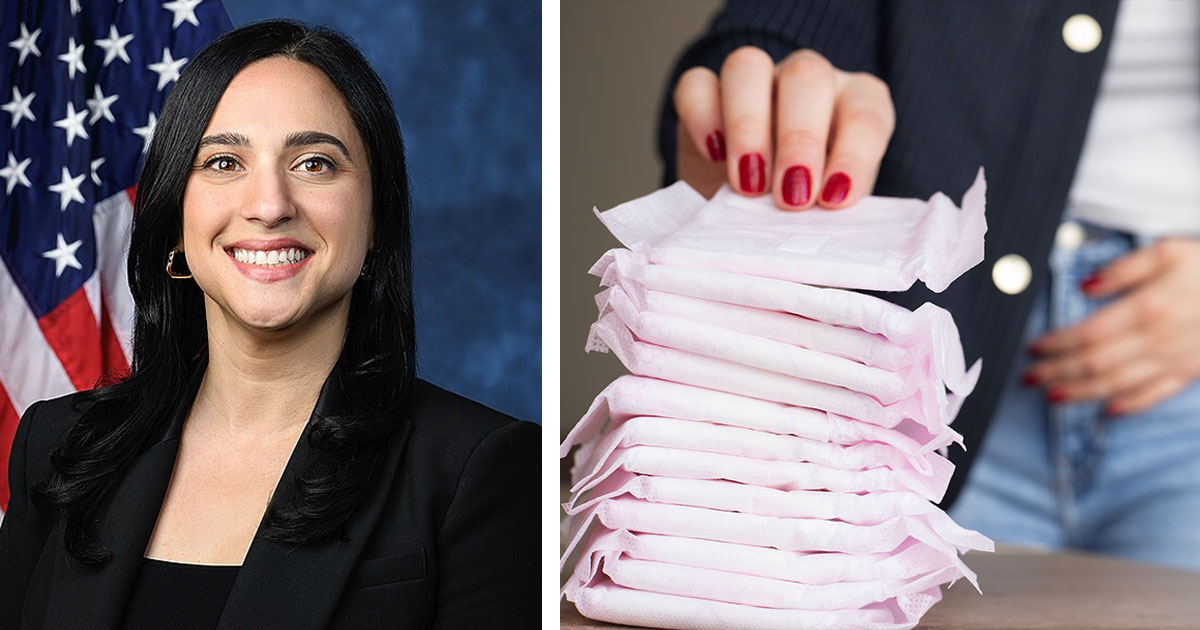
Earlier this month, Democratic Representative Yassamin Ansari introduced the H.E.R. Agenda, a broad legislative package designed to address long-standing shortcomings in women’s healthcare. Among its proposals are paid leave for employees experiencing severe menstrual pain or menopause-related symptoms, along with measures intended to improve access to reproductive healthcare.
Ansari, who is currently the youngest woman serving in Congress, emphasized that the proposal is not limited to women. It also includes healthcare support for men, such as coverage related to fertility treatments and vasectomies.
The legislation has been presented as an effort to close persistent gaps in healthcare by strengthening reproductive rights, improving pain management, and expanding workplace protections for employees facing health-related challenges.
UK proposal goes a step further
Meanwhile, a more ambitious proposal has emerged in the United Kingdom. According to leaked documents obtained by The Spectator, the UK’s Green Party is considering a policy that would grant employees who menstruate up to three days of paid leave each month.
If adopted, eligible workers could receive as many as 36 additional paid days off each year. Under the proposal, employees would not be required to provide a doctor’s note each time they take leave, and the days would be treated separately from both sick leave and annual vacation time.
The motion was submitted ahead of the party’s Autumn Conference by Allan McLeod, a Green Party member and trade union representative.
The proposal also seeks to provide additional workplace support for people living with conditions such as endometriosis, adenomyosis, polycystic ovary syndrome (PCOS), and other menstrual health disorders. Employees with these conditions would only need to submit medical documentation once each year rather than for every absence.
Countries that already offer menstrual leave
While the idea is still under debate in many places, several countries have already introduced menstrual leave policies at the national level.
Spain became the first European country to approve paid menstrual leave in 2023 for workers experiencing severe period pain. Indonesia has allowed eligible employees to take up to two days of menstrual leave each month since 2003. In Taiwan, workers are entitled to three menstrual leave days per year at half pay, while Zambia provides women with one fully paid day off every month, commonly referred to as “Mother’s Day.”
As conversations around workplace equality and employee well-being continue to evolve, menstrual leave is becoming an increasingly important topic in policy discussions worldwide, with supporters arguing it can improve health and productivity, while critics continue to debate how such policies should be implemented.







