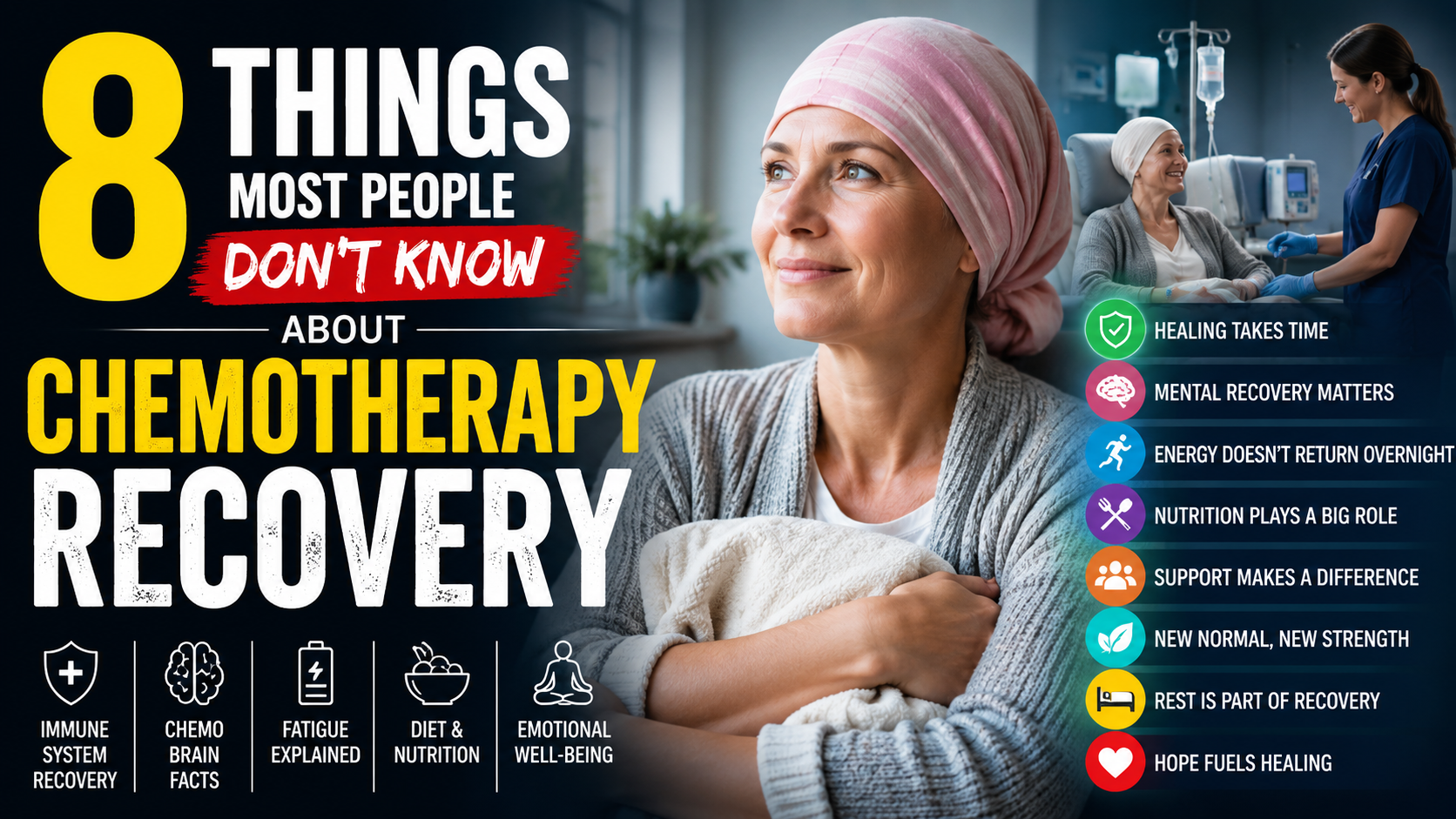
Chemotherapy is one of the most widely used treatments in modern cancer care. For many patients, it plays a critical role in shrinking tumors, preventing cancer spread, and improving survival rates. However, while most people are familiar with the treatment itself, far fewer understand what happens during recovery afterward.
Recovery from chemotherapy is not always immediate or straightforward. It can be a complex process that affects the body, mind, and emotional well-being in different ways. Each person’s experience is unique, shaped by the type of cancer, the drugs used, overall health, and individual resilience.
Although chemotherapy can be physically and emotionally challenging, many patients gradually regain strength and return to their daily lives with proper care and support. Researchers and healthcare professionals continue to learn more about how to improve this recovery process and help patients heal more effectively.
Here are eight important things most people don’t know about chemotherapy recovery.
1. Recovery Doesn’t End When Treatment Stops
One of the most common misconceptions about chemotherapy is that recovery begins immediately after the last treatment session. In reality, the body often continues to process the effects of chemotherapy for weeks or even months afterward.
Chemotherapy drugs target rapidly dividing cells, which include not only cancer cells but also healthy cells in the blood, digestive system, hair follicles, and immune system. Because of this, the body needs time to rebuild and restore normal function.
Many patients experience lingering fatigue, weakness, or digestive changes long after treatment ends. This period is sometimes referred to as “post-chemotherapy recovery,” and it can vary significantly from person to person.
Understanding that recovery is gradual helps patients set realistic expectations and reduce frustration during the healing process.
2. Fatigue Is One of the Most Common Long-Term Effects
While most people expect nausea or hair loss during chemotherapy, fewer realize that fatigue can persist long after treatment is completed.
This type of fatigue is different from normal tiredness. It is often deeper, more persistent, and not fully relieved by rest or sleep. Scientists believe it may be linked to changes in the immune system, hormone levels, and energy metabolism caused by chemotherapy.
For some individuals, fatigue can last for months, gradually improving over time. Light physical activity, balanced nutrition, and structured rest routines can help support recovery.
However, patience is essential. The body needs time to fully rebuild its energy systems.
3. The Immune System Takes Time to Rebuild
Chemotherapy can temporarily weaken the immune system by reducing white blood cell counts. This makes patients more vulnerable to infections during treatment and in the recovery phase.
Even after treatment ends, immune function does not immediately return to normal. It often takes weeks or months for the immune system to fully recover its strength.
During this period, doctors may recommend continued precautions, such as avoiding crowded places, practicing good hygiene, and monitoring for signs of infection.
Nutrition plays an important role in immune recovery as well. A diet rich in vitamins, minerals, and protein can support the body’s ability to rebuild healthy immune cells.
4. Emotional Recovery Is Just as Important as Physical Healing
Chemotherapy recovery is not only a physical process—it is also an emotional journey.
Many patients experience a range of feelings after treatment ends, including relief, anxiety, uncertainty, or even emotional exhaustion. Some individuals may also experience “post-treatment stress,” as the constant structure of medical care suddenly decreases.
It is common for patients to feel disconnected or unsure about life after cancer treatment. Support from family, friends, counselors, or support groups can make a significant difference during this phase.
Mental health care is an essential part of recovery, helping patients rebuild confidence, manage fear of recurrence, and adjust to life after treatment.
5. Cognitive Changes (“Chemo Brain”) Can Persist
Many chemotherapy patients report experiencing memory problems, difficulty concentrating, or mental fog during and after treatment. This condition is often referred to as “chemo brain.”
While the exact cause is not fully understood, researchers believe it may involve inflammation, hormonal changes, stress, and the effects of chemotherapy drugs on the brain.
For some people, cognitive symptoms improve within a few months. For others, it may take longer.
Simple strategies such as maintaining routines, using reminders, engaging in mental exercises, and getting adequate sleep can help support cognitive recovery.
Researchers are actively studying this phenomenon to develop better ways to prevent and manage it in the future.
6. Nutrition Plays a Major Role in Recovery
After chemotherapy, the body requires proper nutrition to heal and rebuild strength. However, many patients struggle with appetite changes, taste alterations, or digestive sensitivity during recovery.
A balanced diet rich in lean proteins, whole grains, fruits, and vegetables can help support tissue repair and immune function. Hydration is also essential, as chemotherapy can affect fluid balance in the body.
In some cases, patients may need nutritional guidance from healthcare professionals or dietitians to ensure they are meeting their recovery needs.
Good nutrition does not cure side effects instantly, but it plays a crucial role in long-term healing and energy restoration.
7. Physical Activity Can Support Faster Recovery
While rest is important, light physical activity can actually help improve recovery outcomes after chemotherapy.
Studies suggest that gentle exercise—such as walking, stretching, or yoga—can help reduce fatigue, improve mood, and support cardiovascular health.
Exercise also promotes better sleep and helps rebuild muscle strength that may have been lost during treatment.
However, activity levels should always be adjusted based on individual energy levels and medical guidance. Overexertion can slow recovery, so balance is key.
Many rehabilitation programs now include structured exercise plans specifically designed for cancer survivors.
8. Recovery Time Varies Widely Between Individuals
Perhaps the most important thing to understand about chemotherapy recovery is that there is no single timeline that applies to everyone.
Some people begin feeling better within weeks, while others may take months or even longer to fully recover.
Factors such as age, overall health, type of cancer, chemotherapy regimen, and emotional resilience all play a role in how quickly recovery progresses.
This variability is completely normal. Comparing recovery progress with others can often lead to unnecessary stress or concern.
Doctors typically monitor recovery through follow-up visits and tests to ensure that healing is progressing appropriately.
Why Understanding Chemotherapy Recovery Matters
Awareness of what happens after chemotherapy is important for both patients and caregivers. It helps set realistic expectations, reduces anxiety, and encourages better long-term care.
Recovery is not just about surviving cancer treatment—it is about rebuilding strength, restoring balance, and improving overall quality of life.
When patients understand the recovery process, they are better equipped to take care of themselves physically and emotionally.
Challenges Patients May Face
Even with the best medical care, chemotherapy recovery can come with challenges.
These may include ongoing fatigue, emotional ups and downs, changes in physical appearance, or uncertainty about the future. Some patients also experience long-term side effects depending on the type of treatment they received.
Support systems, follow-up care, and rehabilitation programs are essential in helping patients navigate these challenges successfully.
Healthcare providers increasingly recognize the importance of survivorship care plans to guide patients through recovery.
The Future of Chemotherapy Recovery Support
Medical research continues to improve how patients recover from chemotherapy. Scientists are studying ways to reduce side effects, protect healthy cells during treatment, and accelerate healing afterward.
Advances in personalized medicine may also help doctors tailor chemotherapy in ways that minimize long-term damage while maximizing effectiveness.
New therapies, supportive medications, and digital health tools are being developed to improve recovery monitoring and patient support.
The goal is not only to treat cancer more effectively but also to enhance life after treatment.
Final Thoughts
Chemotherapy recovery is a deeply personal and evolving journey. While the treatment itself is often intense, recovery brings its own set of challenges and milestones.
Understanding the physical, emotional, and cognitive aspects of recovery can help patients and families navigate this phase with greater confidence and compassion.
Although recovery takes time, many people gradually regain strength and return to fulfilling lives. With proper care, support, and patience, healing is absolutely possible.
As research continues to advance, future patients may experience even smoother recoveries and improved quality of life after chemotherapy—offering renewed hope for millions around the world.







