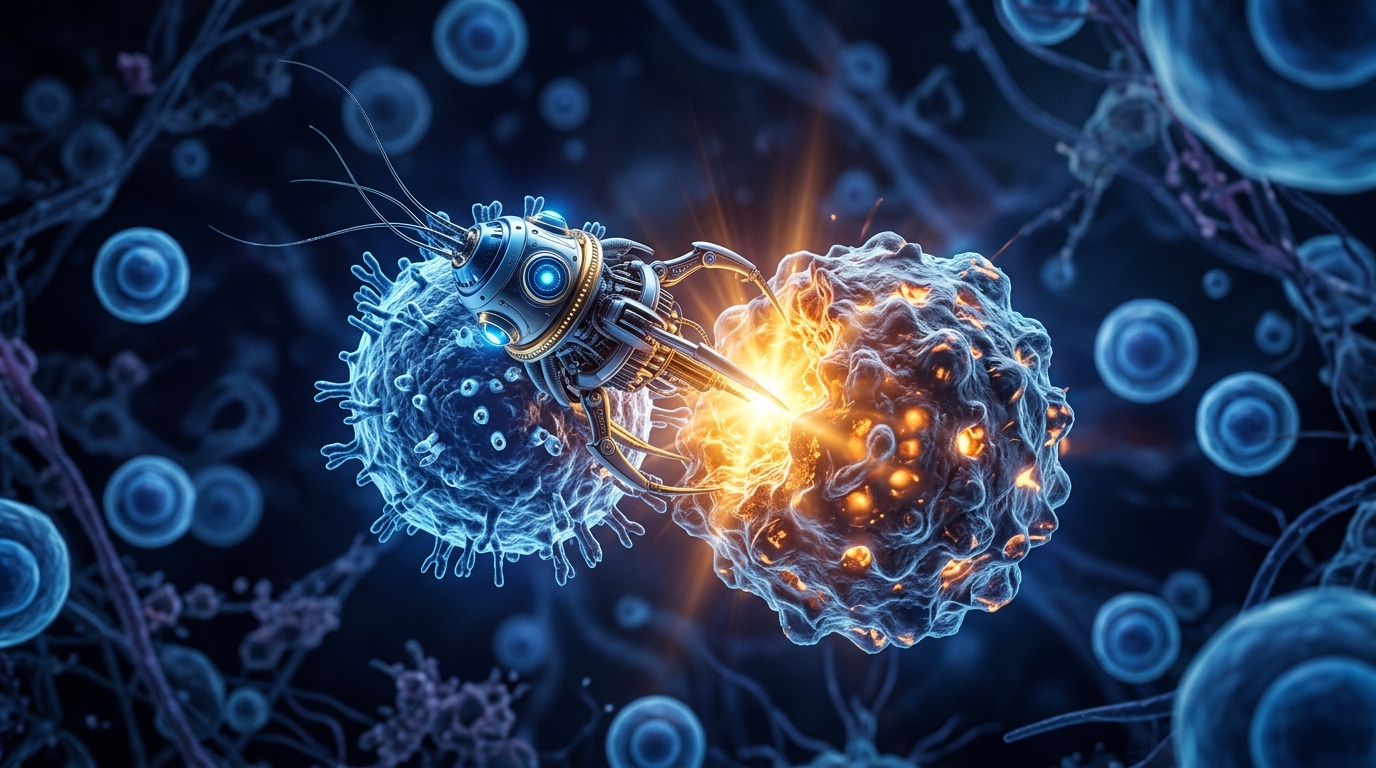
Cancer treatment has undergone a remarkable transformation over the past few decades. While surgery, chemotherapy, and radiation therapy remain important tools, scientists are now developing a new generation of therapies that are more precise, personalized, and targeted than ever before. These advances are changing how many cancers are treated and offering new hope to patients facing difficult diagnoses.
From harnessing the power of the immune system to using artificial intelligence to guide treatment decisions, next-generation cancer therapies are pushing the boundaries of modern medicine. Although many people are familiar with traditional cancer treatments, fewer understand the groundbreaking innovations that are shaping the future of cancer care.
Here are 12 fascinating things most people don’t know about next-generation cancer treatments.
1. Some Treatments Train the Immune System to Fight Cancer
One of the biggest breakthroughs in oncology has been the rise of immunotherapy. Unlike traditional treatments that directly attack cancer cells, immunotherapies help the body’s own immune system recognize and destroy tumors.
Cancer cells often develop ways to hide from immune defenses. Newer therapies can remove these biological “disguises,” allowing immune cells to identify cancer as a threat and launch a stronger attack.
For some patients, immunotherapy has produced long-lasting responses that were once considered impossible.
2. Treatments Are Becoming More Personalized
Cancer is not a single disease. Even tumors that develop in the same organ can have very different genetic characteristics.
Next-generation cancer treatments increasingly rely on genetic testing to identify specific mutations within a patient’s tumor. Doctors can then select therapies designed to target those unique molecular features.
This personalized approach helps move cancer care away from a one-size-fits-all model and toward treatments tailored to individual patients.
3. CAR-T Cell Therapy Uses Living Cells as Medicine
One of the most innovative advances in cancer treatment is CAR-T cell therapy.
In this approach, a patient’s own immune cells are collected and genetically modified in a laboratory. These enhanced cells are then returned to the body, where they seek out and attack cancer cells more effectively.
Because the treatment involves living cells that can continue functioning after infusion, CAR-T therapy represents a completely different type of medicine compared with conventional drugs.
4. Artificial Intelligence Is Helping Guide Treatment Decisions
Artificial intelligence is increasingly being used to analyze enormous amounts of medical data, including imaging scans, genetic information, and clinical records.
AI systems can help researchers identify patterns that may not be obvious to humans, potentially improving diagnosis, predicting treatment responses, and supporting personalized treatment planning.
While AI does not replace medical professionals, it is becoming a valuable tool in modern oncology research and care.
5. Targeted Therapies Focus on Specific Cancer Weaknesses
Traditional chemotherapy often affects both cancerous and healthy rapidly dividing cells. Targeted therapies take a different approach.
These treatments are designed to interfere with specific proteins, genes, or molecular pathways that cancer cells rely on for growth and survival. By focusing on particular vulnerabilities, targeted therapies can sometimes provide more precise treatment options.
Researchers continue to discover new targets across a wide range of cancer types.
6. Scientists Are Exploring Cancer Vaccines
Many people associate vaccines with preventing infectious diseases, but researchers are also developing vaccines designed to help fight cancer.
Some experimental cancer vaccines aim to train the immune system to recognize tumor-specific markers. Others are being investigated as preventive tools for certain cancer-related infections.
Although this field is still evolving, cancer vaccines represent one of the most exciting areas of modern oncology research.
7. Liquid Biopsies May Reduce the Need for Some Traditional Procedures
A traditional biopsy often requires removing tissue from a tumor for analysis. Newer techniques known as liquid biopsies can sometimes detect cancer-related genetic material circulating in the bloodstream.
These blood-based tests may help doctors monitor treatment response, identify mutations, and detect signs of recurrence with less invasive procedures.
Researchers believe liquid biopsies could become increasingly important in future cancer care.
8. Gene Editing Technologies Are Being Investigated
Advances in gene-editing technologies have opened new possibilities for cancer research.
Scientists are studying ways to modify immune cells, alter cancer-related genes, and improve the effectiveness of existing therapies. Although many applications remain experimental, gene editing could eventually contribute to more sophisticated and individualized treatment strategies.
This area of research continues to evolve rapidly as scientists learn more about the genetic foundations of cancer.
9. Some Therapies Deliver Drugs Directly to Tumor Cells
Researchers are developing innovative methods to deliver cancer-fighting drugs more precisely.
One approach involves attaching therapeutic agents to antibodies that specifically recognize cancer cells. These antibody-drug conjugates act like guided delivery systems, helping direct treatment toward tumors while limiting exposure to healthy tissues.
This strategy combines the targeting ability of antibodies with the potency of anticancer drugs.
10. Researchers Are Studying Combination Therapies
Cancer is highly adaptable, and tumors can sometimes develop resistance to individual treatments.
To address this challenge, scientists are increasingly investigating combination therapies that use multiple treatment approaches together. These may include combinations of immunotherapy, targeted therapy, chemotherapy, radiation, or other emerging treatments.
The goal is to attack cancer from multiple angles and improve treatment effectiveness.
11. Early Detection Technologies Are Improving Rapidly
Many next-generation cancer advances focus not only on treatment but also on detection.
New diagnostic technologies are being developed to identify cancers at earlier stages, when treatment may be more effective. Researchers are exploring advanced imaging systems, blood-based screening tools, molecular diagnostics, and AI-assisted detection methods.
Earlier diagnosis can significantly influence treatment options and outcomes.
12. The Future of Cancer Treatment May Be More Preventive Than Reactive
Traditionally, cancer care has focused on treating disease after it develops. Increasingly, researchers are working toward approaches that identify risk earlier and intervene before cancer progresses.
Advances in genetics, biomarker discovery, personalized screening, and preventive medicine may allow healthcare providers to detect warning signs sooner and develop proactive strategies for high-risk individuals.
This shift could fundamentally change how cancer is managed in the decades ahead.
Why Next-Generation Treatments Matter
Cancer remains one of the world’s most significant health challenges, but scientific progress is accelerating at an extraordinary pace. Advances in genetics, immunology, biotechnology, and data science are helping researchers better understand how cancers develop, spread, and respond to treatment.
Rather than relying solely on broad approaches that affect both healthy and cancerous cells, many next-generation therapies aim to be more precise, personalized, and effective. These innovations are creating new opportunities for patients who may not have benefited from traditional treatment options.
As knowledge continues to expand, the distinction between diagnosis, treatment, monitoring, and prevention is becoming increasingly interconnected.
Conclusion
The future of cancer treatment looks dramatically different from the past. From immunotherapies and CAR-T cell treatments to cancer vaccines, liquid biopsies, gene editing, and AI-driven medicine, next-generation therapies are transforming the field of oncology.
While many of these technologies are still evolving, they represent a powerful shift toward more targeted, personalized, and innovative approaches to cancer care. Researchers around the world continue to make discoveries that bring us closer to treatments that are not only more effective but also better tailored to the unique biology of each patient.
These advances remind us that the fight against cancer is entering a new era—one driven by scientific innovation, precision medicine, and an ever-deepening understanding of human biology.