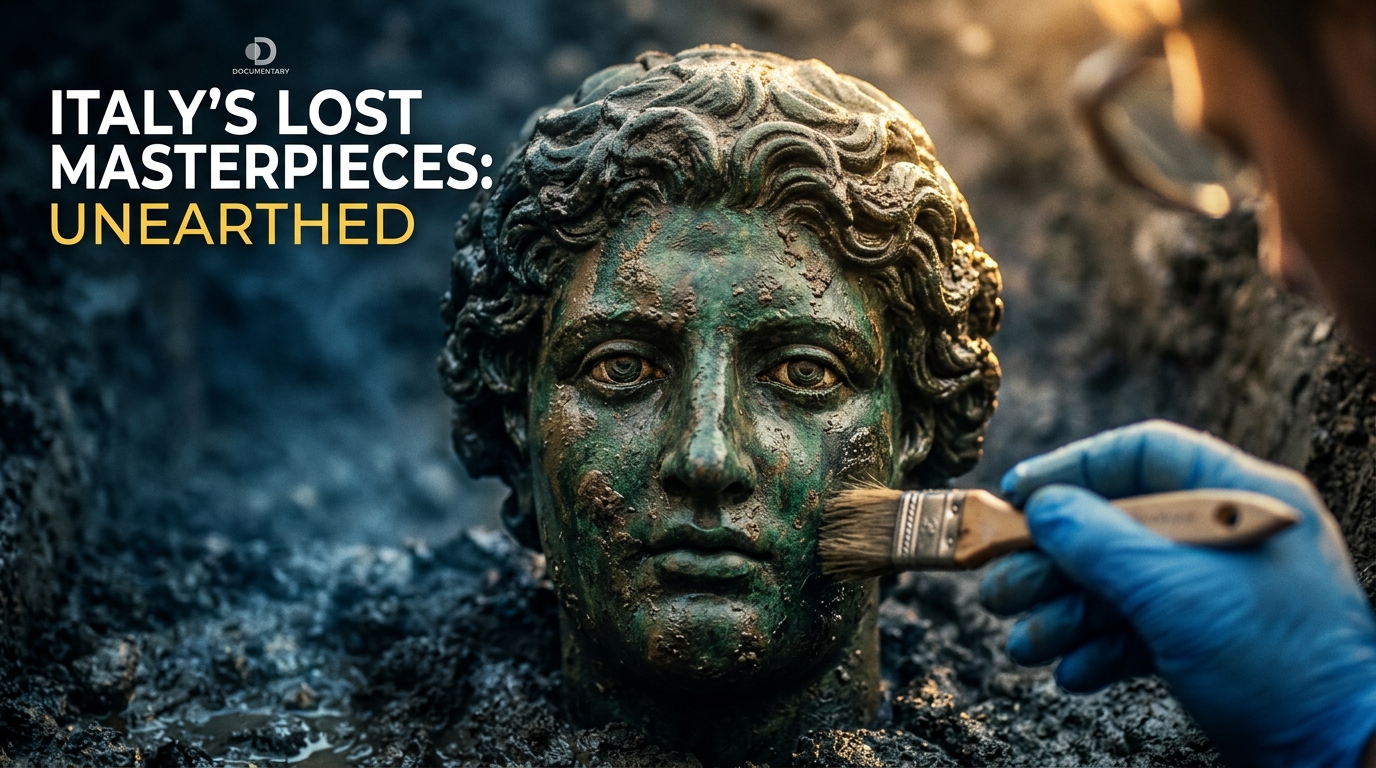
Archaeological discoveries occasionally rewrite history, but some finds are so extraordinary that they capture the world’s imagination almost instantly. That was the case when archaeologists unearthed a remarkable collection of ancient bronze statues in central Italy. Buried for more than two thousand years, these sculptures emerged from the earth in astonishing condition, preserving details that rarely survive the passage of time.
The discovery has been hailed as one of the most significant archaeological finds in Europe in decades. The statues not only reveal the artistic brilliance of ancient civilizations but also provide valuable clues about religion, medicine, and the cultural connections that shaped Italy before the rise of the Roman Empire.
Here are fifteen fascinating facts about these perfectly preserved bronze statues and why historians consider them a truly exceptional discovery.
1. The Statues Were Hidden for More Than 2,000 Years
The bronze figures remained underground for over two millennia before being discovered.
Archaeologists believe the statues were deliberately placed within a sacred thermal sanctuary sometime between the first century BCE and the first century CE. Because they remained buried for such an incredibly long time, the sculptures effectively became time capsules from the ancient world.
Their rediscovery offers researchers a rare opportunity to study artifacts that have been protected from centuries of destruction, looting, and environmental damage.
2. They Were Found in Central Italy
The statues were unearthed near the town of San Casciano dei Bagni in Tuscany, an area long known for its natural hot springs.
The region has been famous for its mineral-rich waters since ancient times. Generations of people visited the springs seeking healing, spiritual comfort, and religious experiences.
The discovery demonstrates that the location was far more important in antiquity than previously believed and may have been one of Italy’s major sacred centers.
3. Their Preservation Is Remarkably Rare
Ancient bronze statues seldom survive in such extraordinary condition.
Throughout history, countless bronze sculptures were melted down and repurposed during wars or periods of economic hardship. Many masterpieces disappeared forever because bronze was considered too valuable to waste.
The statues discovered in Tuscany escaped this fate. Their remarkable preservation makes them exceptionally rare examples of ancient metalworking and artistic achievement.
4. The Hot Springs Helped Protect Them
Ironically, the same thermal waters that attracted ancient worshippers also helped preserve the statues.
The mineral-rich mud surrounding the hot springs created a protective environment that shielded the sculptures from oxygen and severe corrosion. As a result, many statues retained intricate details that would normally have been lost over centuries.
This unusual combination of water, mud, and minerals essentially created a natural preservation chamber.
5. The Collection Includes Dozens of Artifacts
The discovery was not limited to a single sculpture.
Archaeologists uncovered more than twenty bronze statues along with thousands of coins, inscriptions, and other offerings left by ancient visitors. Together, these artifacts paint a vivid picture of religious life at the sanctuary.
The sheer number of objects suggests that the site attracted worshippers over many generations.
6. Some Statues Depict Deities
Several of the bronze figures represent gods and goddesses associated with healing, health, and protection.
Ancient people often visited sacred springs to pray for recovery from illnesses or injuries. Offering statues to divine figures was one way to seek blessings or express gratitude for healing.
These sculptures reveal how closely religion and medicine were intertwined in ancient societies.
7. Others Represent Ordinary People
Not all of the statues portray deities.
Some depict men, women, and children who may have been worshippers seeking divine assistance. Their inclusion offers historians an unusually personal glimpse into the lives of ordinary individuals who lived more than two thousand years ago.
Rather than focusing solely on rulers and elites, the discovery highlights the experiences and hopes of everyday people.
8. The Statues Showcase Exceptional Artistic Skill
The craftsmanship displayed in the sculptures is extraordinary.
Artists carefully shaped facial expressions, hairstyles, clothing folds, and anatomical details with remarkable precision. Even after thousands of years underground, many of these features remain clearly visible.
The statues demonstrate that ancient Italian artisans possessed sophisticated technical abilities and a deep understanding of human form.
9. The Site Was Used by Multiple Civilizations
One of the most fascinating aspects of the discovery is its connection to both the Etruscans and the Romans.
The sanctuary appears to have remained active as political power shifted from Etruscan communities to Roman rule. Rather than abandoning the site, successive generations continued to use and honor it.
This continuity provides valuable evidence of cultural exchange and adaptation between two major ancient civilizations.
10. Inscriptions Reveal Ancient Languages
Some of the artifacts contain inscriptions written in both Etruscan and Latin.
These texts are particularly important because the Etruscan language remains only partially understood. Every newly discovered inscription offers scholars additional opportunities to study vocabulary, customs, and religious practices.
The bilingual nature of the inscriptions also illustrates how different cultures interacted and coexisted in ancient Italy.
11. The Sanctuary Was Dedicated to Healing
Archaeological evidence strongly suggests that healing was central to the sanctuary’s purpose.
Visitors likely came to the hot springs seeking remedies for illnesses and physical ailments. The thermal waters themselves may have been considered sacred and capable of promoting recovery.
The statues and offerings found at the site indicate that people placed enormous faith in the healing powers of both the springs and the deities associated with them.
12. The Discovery Is Transforming Historical Understanding
Researchers have described the find as one of the most important archaeological discoveries made in Italy in recent decades.
The statues provide new evidence about religion, artistic production, language, and daily life during a pivotal period of Mediterranean history.
Every object recovered from the sanctuary contributes fresh information that may alter historians’ understanding of ancient Italy and the relationship between Etruscan and Roman cultures.
13. The Discovery Challenges Previous Assumptions
Before the statues were unearthed, scholars knew relatively little about the sanctuary’s true significance.
The sheer scale and quality of the artifacts indicate that the site was likely a major religious destination attracting visitors from across the region. This challenges earlier assumptions that it was merely a small local shrine.
The discovery reminds us that important chapters of history often remain hidden beneath the ground, waiting to be uncovered.
14. The Statues Provide an Emotional Connection to the Past
Looking at the sculptures can be surprisingly moving.
Many of the figures display realistic expressions and human features that make ancient people seem unexpectedly familiar. They remind us that individuals who lived two thousand years ago experienced concerns remarkably similar to our own, including illness, hope, gratitude, and the search for healing.
This human connection is one reason the discovery has captured worldwide attention.
15. The Find Highlights the Importance of Archaeology
Perhaps the most fascinating lesson from these perfectly preserved bronze statues is the reminder that history still holds countless secrets.
Despite centuries of exploration, extraordinary discoveries continue to emerge from beneath our feet. Every excavation has the potential to reshape our understanding of ancient civilizations and reveal forgotten stories that have remained hidden for thousands of years.
The statues unearthed in Italy demonstrate why archaeology remains one of humanity’s most exciting fields of study.
Why These Bronze Statues Continue to Captivate the World
The perfectly preserved bronze statues discovered in Tuscany are far more than beautiful works of art. They are historical witnesses that survived more than two thousand years underground to tell the story of ancient faith, healing, and cultural transformation.
Protected by mineral-rich waters and hidden from the outside world, the sculptures escaped destruction and emerged with astonishing detail still intact. They offer rare insights into the beliefs and daily lives of the people who created and cherished them.
Most importantly, the discovery reminds us that the ancient world was not an abstract collection of dates and ruins. It was a living world filled with real people seeking health, comfort, and meaning. Through these remarkable bronze statues, their voices continue to reach us across the centuries, proving that history’s greatest treasures are often the ones we least expect to find.







