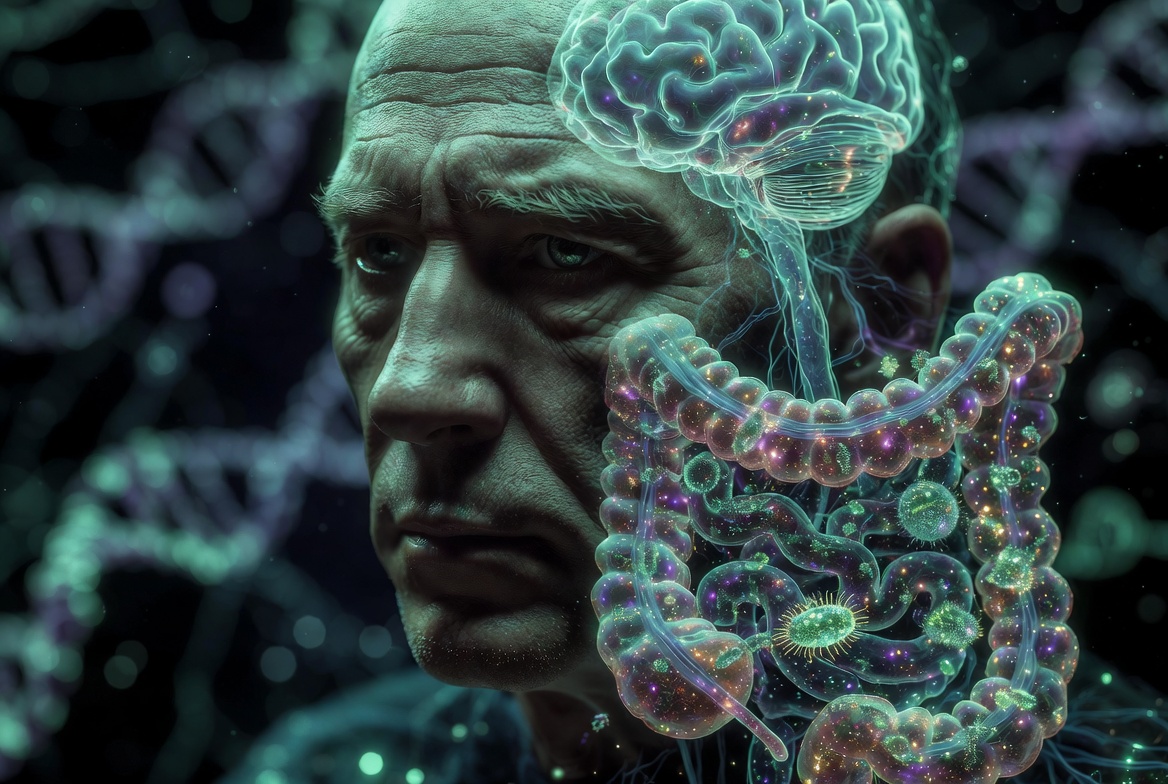
For years, scientists believed the brain and the digestive system operated largely independently. Today, research is painting a very different picture. Studies increasingly suggest that the brain and gut are in constant communication through what experts call the gut-brain axis—a complex network involving nerves, hormones, and the immune system.
One of the most fascinating discoveries is that your thoughts, emotions, and mental state may influence the trillions of microorganisms living in your digestive tract. While scientists are still unraveling the details, evidence suggests that stress, mood, and even patterns of thinking can affect the balance of gut bacteria in surprising ways.
Here are ten fascinating facts about how your thoughts may influence your gut microbiome.
1. Your Brain and Gut Are Constantly Communicating
The gut and brain are connected by an extensive communication network.
The vagus nerve, hormones, and chemical messengers continuously send information in both directions. This means your brain can influence digestive processes, while your gut can also affect how you feel and think.
Rather than functioning as separate systems, the brain and digestive tract operate as a closely connected partnership.
2. Stress Can Alter Gut Bacteria
One of the clearest examples of the gut-brain connection involves stress.
When you experience prolonged stress, your body releases hormones such as cortisol and adrenaline. These changes can affect digestion, alter the gut environment, and influence the composition of microorganisms living there.
Researchers have found that chronic stress may reduce microbial diversity and contribute to imbalances in the gut ecosystem.
3. Negative Thoughts Can Trigger Physical Changes
Thoughts are not merely abstract experiences.
Persistent worry, fear, or rumination can activate the body’s stress response. This reaction affects heart rate, hormone production, and digestive activity.
Because gut bacteria live within this changing environment, patterns of negative thinking may indirectly influence the conditions in which these microorganisms thrive.
4. The Gut Produces Important Brain Chemicals
Surprisingly, many chemicals associated with mood are connected to the digestive system.
A large portion of the body’s serotonin—a neurotransmitter involved in mood regulation—is produced in the gut. Gut microbes also participate in processes related to other important signaling molecules.
This close biochemical relationship illustrates why the state of the gut and the state of the mind are deeply interconnected.
5. Relaxation May Benefit the Gut Environment
The opposite of chronic stress can also have measurable effects.
Activities such as meditation, deep breathing, spending time in nature, and practicing mindfulness help activate the body’s relaxation response. This shift can influence digestion, inflammation, and other processes that affect the gut environment.
Although research is still developing, some studies suggest that reducing stress may support a healthier microbial balance.
6. Sleep and Thoughts Are Closely Linked to Gut Health
An anxious mind often interferes with sleep, and poor sleep can affect the gut.
Disrupted sleep patterns have been associated with changes in gut microbial composition and increased inflammation. Likewise, insufficient rest can negatively affect mood and cognitive function.
This creates a complex cycle in which thoughts, sleep quality, and gut health may influence one another.
7. Your Emotional State May Affect Digestion Almost Immediately
Many people have experienced “butterflies” before an important event or digestive discomfort during periods of anxiety.
These sensations demonstrate how quickly emotional experiences can influence digestive activity. Stress and emotions can alter gut motility, blood flow, and digestive secretions.
Changes in the gut environment may, over time, affect the microorganisms that live there.
8. Gut Bacteria May Also Influence Your Thoughts
The relationship between thoughts and gut microbes works in both directions.
Emerging research suggests that certain microorganisms may influence inflammation, neurotransmitter activity, and communication pathways connected to mood and behavior.
Scientists are actively investigating how the microbiome may contribute to emotional well-being and cognitive processes.
9. Positive Habits Often Benefit Both the Brain and Gut
Healthy lifestyle choices rarely affect only one part of the body.
Regular exercise, balanced nutrition, stress management, and sufficient sleep can support both mental health and the gut microbiome. Activities that promote emotional well-being may also create conditions that favor a healthier microbial environment.
This overlap highlights the remarkable interconnectedness of human biology.
10. Scientists Are Only Beginning to Understand the Connection
Perhaps the most surprising fact is how much remains unknown.
The gut microbiome contains trillions of microorganisms and countless interactions that scientists are still trying to understand. While evidence strongly supports a relationship between mental states and gut health, many questions remain about exactly how thoughts influence microbial communities and how those microbes, in turn, affect the brain.
Researchers consider the gut-brain axis one of the most exciting frontiers in modern medicine.
Why This Discovery Continues to Fascinate Scientists
The idea that thoughts may influence gut bacteria challenges traditional views of the human body. It suggests that emotions and mental experiences are not confined to the brain but may have effects throughout the body, including within the complex ecosystem living in our digestive system.
At the same time, the research reminds us that health is rarely isolated to a single organ. The brain, digestive tract, immune system, and microbiome form an intricate network of interactions that scientists are only beginning to understand.
Most importantly, these discoveries reveal a profound truth: our bodies are deeply interconnected systems in which thoughts, emotions, and physical processes continually influence one another. The trillions of microorganisms living inside us are not merely passive passengers—they are part of an extraordinary biological partnership that continues to reshape our understanding of health and human well-being.







