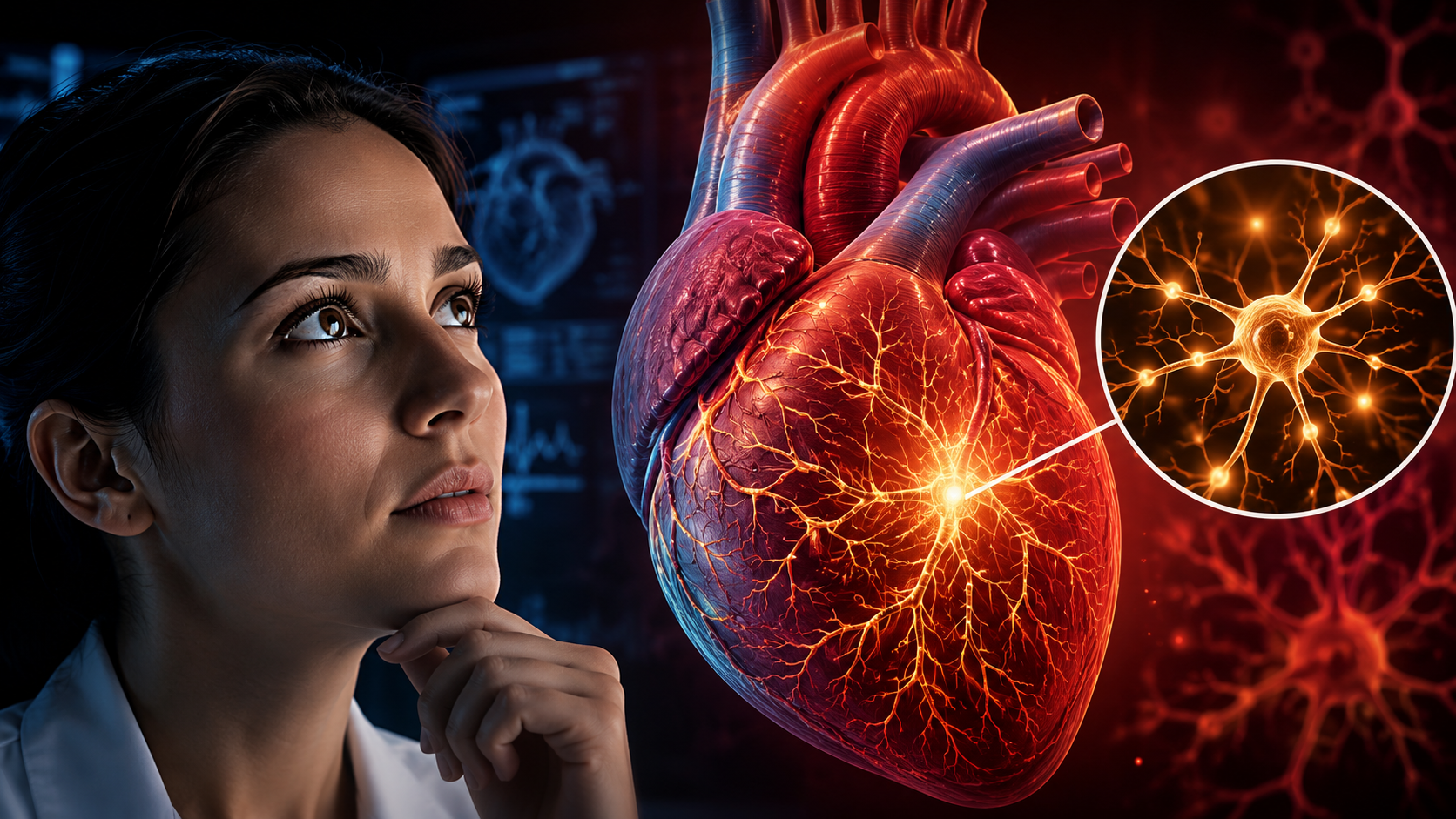
When people talk about the heart, they often think of it as a symbol of love, emotion, and human connection. For centuries, poets, philosophers, and storytellers have described the heart as the center of our deepest feelings. Modern science, however, has revealed something even more fascinating: the heart is far more than a simple pump that moves blood throughout the body.
Research in psychology, neuroscience, and physiology suggests that the heart and brain are closely connected. The signals exchanged between these two organs can affect emotions, decision-making, stress levels, relationships, and even overall mental well-being. While the brain remains the primary control center of the body, the heart plays a surprisingly important role in shaping how we think, feel, and respond to the world around us.
Understanding this connection can help us gain deeper insight into our behavior and emotional health. Here are ten psychological reasons why your heart influences more than you may realize.
1. The Heart and Brain Are Constantly Communicating
Many people assume that communication in the body flows only from the brain to the heart. In reality, the relationship works both ways.
The heart continuously sends information to the brain through a complex network of nerves, hormones, and electrical signals. These messages help influence attention, emotional processing, and cognitive function. Scientists have discovered that the brain constantly monitors signals from the heart to determine how the body should react to various situations.
For example, when your heart rate increases during a stressful event, your brain interprets that information and adjusts your emotional response accordingly. Likewise, a calm and steady heartbeat can help the brain perceive a situation as less threatening.
This ongoing dialogue means that your emotional experiences are not solely created by your thoughts. Your heart actively contributes to how those emotions are formed and experienced.
2. Heart Rate Affects Emotional States
Have you ever noticed how your emotions seem connected to your heartbeat?
When you’re anxious, your heart often races. When you’re relaxed, your heartbeat slows down. While emotions can influence the heart, the reverse is also true. Changes in heart rhythm can impact emotional experiences.
Researchers have found that heart rate patterns influence how people perceive situations and regulate their feelings. Irregular or highly stressed heart rhythms may increase feelings of anxiety, irritability, or tension. On the other hand, balanced heart rhythms are often associated with emotional stability and resilience.
This connection helps explain why breathing exercises, meditation, and relaxation techniques are so effective. By calming the heart, these practices can help calm the mind as well.
3. Your Heart Influences Decision-Making
People often refer to “following your heart” when making important life choices. Surprisingly, this phrase may contain more truth than many realize.
Studies suggest that bodily signals, including those originating from the heart, contribute to decision-making processes. Before we consciously analyze a situation, our bodies frequently generate subtle physiological responses that guide our judgment.
This phenomenon is sometimes referred to as intuition or a “gut feeling.” While intuition involves multiple bodily systems, signals from the heart play a significant role in helping individuals assess risks, opportunities, and emotional significance.
In many cases, these physiological cues provide valuable information that complements logical thinking, allowing people to make more balanced decisions.
4. Heart Health Can Affect Mental Health
The connection between physical and mental health is stronger than most people realize.
Numerous studies have found links between cardiovascular health and psychological well-being. Individuals with heart-related conditions often experience higher rates of anxiety, depression, and chronic stress. Conversely, people who maintain healthy cardiovascular systems frequently report better emotional health and greater life satisfaction.
There are several reasons for this relationship. Reduced circulation can affect brain function, while chronic inflammation associated with heart disease may influence mood-regulating processes.
Maintaining heart health through regular exercise, proper nutrition, and stress management benefits not only the body but also the mind.
5. Emotional Stress Leaves a Mark on the Heart
Psychological stress is not merely a mental experience. It creates measurable physical effects throughout the body, especially in the cardiovascular system.
When stress becomes chronic, the body releases elevated levels of stress hormones such as cortisol and adrenaline. These chemicals increase heart rate and blood pressure, placing additional strain on the cardiovascular system.
Over time, prolonged stress may contribute to heart-related problems while also increasing the risk of emotional exhaustion, anxiety disorders, and depression.
This is one reason why mental health professionals emphasize the importance of managing stress before it becomes overwhelming. Protecting emotional well-being also helps protect the heart.
6. Positive Emotions Improve Heart Function
Just as negative emotions can strain the heart, positive emotions can support cardiovascular health.
Feelings such as gratitude, compassion, joy, and love have been associated with healthier heart rhythms and improved physiological balance. Research indicates that positive emotional states can help lower blood pressure, reduce stress hormone levels, and enhance overall well-being.
People who regularly practice gratitude often experience better emotional resilience and improved physical health outcomes. These benefits may be partially explained by the way positive emotions influence the heart-brain connection.
Simple habits such as expressing appreciation, spending time with loved ones, or focusing on meaningful experiences can contribute to healthier emotional and physical functioning.
7. Heart Rhythms Influence Cognitive Performance
Mental performance is not determined solely by brain activity. The condition and rhythm of the heart can also affect concentration, memory, and problem-solving abilities.
Researchers have observed that certain heart rhythm patterns are associated with improved cognitive functioning. When the heart operates in a balanced and coherent manner, communication between the heart and brain becomes more efficient.
This enhanced communication can support clearer thinking, better emotional regulation, and improved decision-making.
In contrast, periods of intense stress may disrupt heart rhythms, making it more difficult to focus, remember information, or think clearly under pressure.
This relationship highlights the importance of maintaining emotional balance during demanding situations.
8. Social Connections Impact Heart Function
Human beings are naturally social creatures. Our relationships influence both emotional health and cardiovascular function.
Studies have consistently shown that strong social connections are linked to lower stress levels, healthier blood pressure, and reduced risk of heart disease. Supportive relationships provide emotional security that helps regulate the body’s stress response.
Loneliness, on the other hand, has been associated with increased cardiovascular risks and poorer mental health outcomes.
Interestingly, the heart often responds directly to social experiences. Positive interactions can create feelings of warmth and calmness, while social rejection or conflict may trigger physiological stress responses.
This demonstrates how deeply interconnected our emotional lives and heart health truly are.
9. Love Creates Measurable Changes in the Body
Love has long been associated with the heart, and science provides some compelling explanations for this connection.
When individuals experience romantic love, affection, or deep emotional bonding, the body releases hormones such as oxytocin and dopamine. These chemicals contribute to feelings of trust, pleasure, and attachment.
At the same time, heart rate patterns may change, reflecting the emotional significance of the relationship. Some studies have even found synchronization of physiological responses between closely connected individuals.
Although love is often described as an emotional experience, it produces real biological effects that involve both the brain and the heart.
This may help explain why meaningful relationships can have such a profound impact on overall well-being.
10. Listening to Your Heart Can Improve Self-Awareness
Modern life often encourages constant activity, distraction, and external focus. As a result, many people become disconnected from their internal experiences.
Paying attention to bodily signals, including those originating from the heart, can enhance self-awareness. Recognizing changes in heartbeat, tension levels, and emotional reactions helps individuals better understand their needs and feelings.
This process, known as interoceptive awareness, involves noticing internal bodily sensations and using them as valuable sources of information.
People with stronger interoceptive awareness often demonstrate better emotional regulation, healthier relationships, and greater psychological resilience.
Learning to pause, reflect, and listen to what your body is communicating can provide important insights that support personal growth and well-being.
The Powerful Heart-Brain Partnership
The traditional view of the heart as merely a mechanical pump is gradually being replaced by a more comprehensive understanding of its role in human experience. While the brain remains the command center of thought and behavior, the heart contributes valuable information that shapes emotions, perception, and decision-making.
The heart influences how we respond to stress, connect with others, process emotions, and navigate daily life. Its continuous communication with the brain creates a dynamic partnership that affects both physical and psychological health.
Recognizing this connection offers practical benefits. Activities such as regular exercise, mindfulness, meditation, deep breathing, healthy eating, and maintaining strong social relationships can support both heart function and mental well-being.
In many ways, caring for your heart means caring for your mind as well.
Final Thoughts
The relationship between the heart and the mind is one of the most fascinating discoveries in modern science. Far from being separate systems, they work together constantly, influencing everything from emotional reactions to life-changing decisions.
Understanding this connection can help us become more aware of our feelings, manage stress more effectively, and build healthier lifestyles. It also reminds us that human well-being is not simply about physical health or mental health alone—it is about the harmony between the two.
The next time you experience a racing heartbeat during excitement, a sense of calm during a peaceful moment, or a powerful emotional reaction to someone you care about, remember that your heart is doing much more than keeping you alive. It is actively participating in the story of who you are, shaping your experiences in ways that science is only beginning to fully understand.