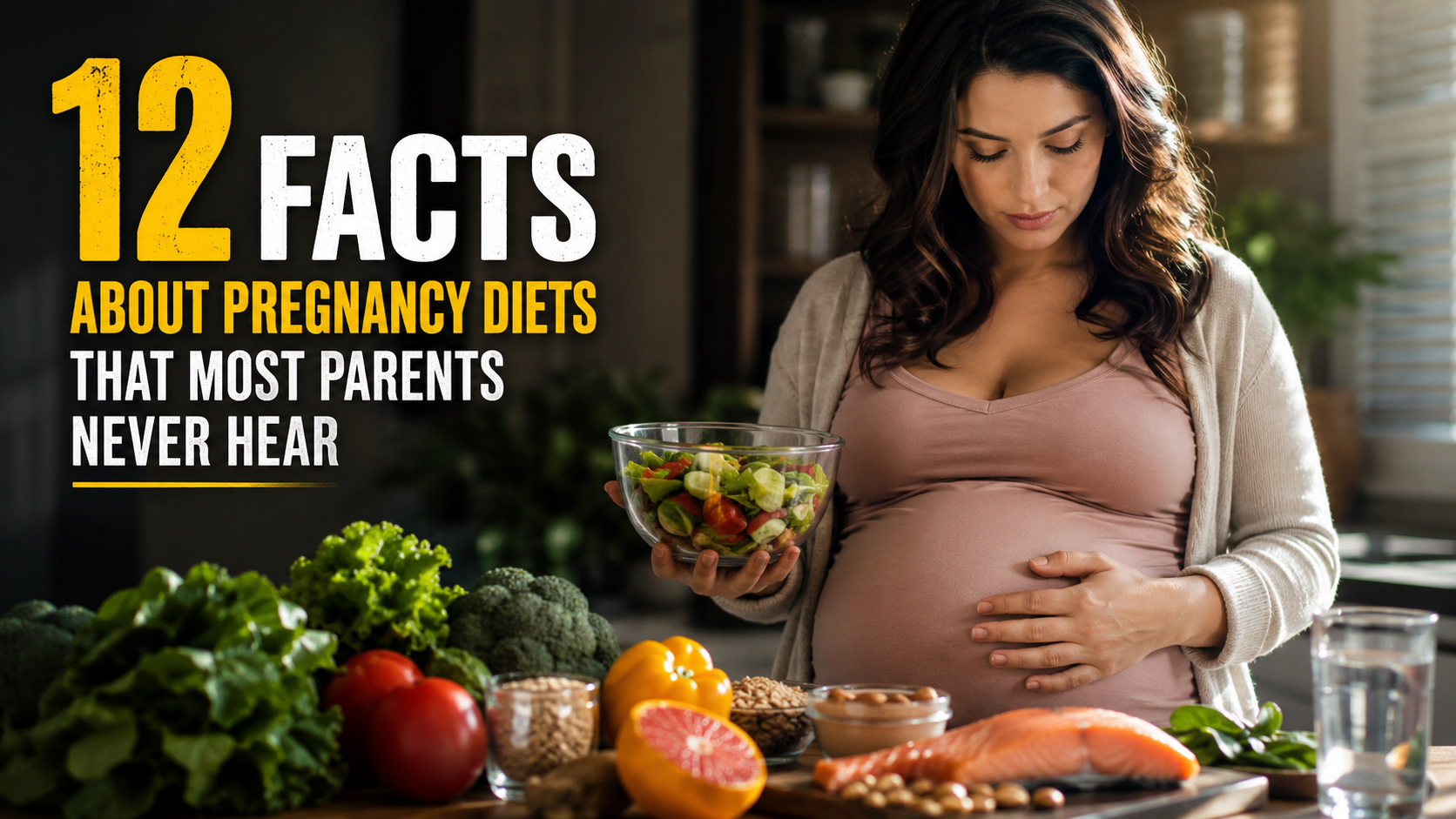
Pregnancy advice is everywhere. Friends, relatives, social media influencers, and even strangers often have strong opinions about what expecting mothers should eat. While some advice is helpful, much of it oversimplifies one of the most important parts of pregnancy: nutrition.
Many people assume pregnancy diets are only about “eating healthy” or consuming more calories. In reality, nutrition during pregnancy is far more complex. A mother’s diet affects not only her own health and energy levels but also the baby’s growth, brain development, immune system, and long-term well-being.
What surprises many parents is that some of the most important facts about pregnancy nutrition are rarely discussed openly. Certain misconceptions continue to circulate, while lesser-known truths are often overlooked.
Here are 12 important facts about pregnancy diets that many parents never hear — but probably should.
1. “Eating for Two” Is Often Misunderstood
One of the oldest pregnancy myths is the idea that pregnant women should dramatically increase how much they eat.
In reality, most women do not need a huge calorie increase during the early stages of pregnancy. Nutritional quality matters far more than simply eating larger portions.
During the first trimester, calorie needs may barely increase at all for many women. Later in pregnancy, additional calories are needed, but the amount is usually more moderate than people expect.
What matters most is choosing foods rich in nutrients like protein, iron, calcium, healthy fats, and vitamins.
Overeating low-quality foods can increase the risk of excessive weight gain, gestational diabetes, and fatigue without providing meaningful nutritional benefits for the baby.
Pregnancy nutrition is less about doubling food intake and more about improving food quality.
2. Cravings Do Not Always Mean the Body “Needs” Something
Pregnancy cravings can feel incredibly powerful, and many people assume cravings automatically signal a nutritional deficiency.
While certain cravings may occasionally relate to the body’s needs, many are influenced by hormones, emotions, nausea, memories, smell sensitivity, or changes in taste perception.
Some pregnant women crave salty foods, while others suddenly want sweets or highly specific meals. Cravings can vary dramatically from person to person.
There is also the opposite experience: food aversions.
Foods a woman once loved may suddenly become unbearable during pregnancy due to hormonal shifts.
Understanding this helps remove unnecessary guilt around cravings while encouraging balance rather than extremes.
Enjoying comfort foods occasionally is normal, but relying heavily on processed foods may leave important nutritional needs unmet.
3. Hydration Is More Important Than Many People Realize
When people think about pregnancy nutrition, they usually focus on food. Water is often forgotten.
Proper hydration plays a critical role during pregnancy because the body’s blood volume increases significantly to support the growing baby.
Dehydration can contribute to headaches, fatigue, constipation, dizziness, swelling, and even premature contractions in some cases.
Water also helps transport nutrients throughout the body and supports amniotic fluid levels.
Many pregnant women become more prone to dehydration because of nausea, vomiting, or increased body temperature.
Staying hydrated may sound simple, but it can strongly influence overall pregnancy comfort and health.
4. Some “Healthy” Foods Can Actually Be Risky
Pregnancy nutrition is not just about what to eat — it is also about what to approach carefully.
Certain foods commonly considered healthy can pose risks during pregnancy if not prepared properly.
Examples include:
- Raw fish or undercooked seafood
- Unpasteurized dairy products
- Deli meats stored improperly
- Raw sprouts
- High-mercury fish
- Undercooked eggs
The concern is usually related to foodborne illnesses or substances that could affect fetal development.
Pregnant women have slightly altered immune responses, making food safety especially important.
This does not mean pregnancy diets must become restrictive or fearful. It simply means awareness and proper food handling matter more during this stage of life.
5. Iron Needs Increase Dramatically During Pregnancy
Iron is one of the most important nutrients during pregnancy, yet many women do not realize how much their iron requirements increase.
The body needs additional iron to produce extra blood and support oxygen delivery to the growing baby.
Low iron levels can contribute to anemia, fatigue, weakness, shortness of breath, and complications during delivery.
Iron-rich foods include:
- Lean meats
- Beans
- Lentils
- Spinach
- Fortified cereals
- Pumpkin seeds
Vitamin C also helps improve iron absorption, which is why pairing iron-rich foods with fruits or vegetables can be helpful.
Because iron deficiency is common during pregnancy, healthcare providers often monitor iron levels closely.
6. Morning Sickness Can Affect Nutrition More Than Expected
Morning sickness is frequently treated as a minor inconvenience, but for some women it becomes a major nutritional challenge.
Nausea and vomiting can make it difficult to eat balanced meals or maintain hydration.
Some women survive on crackers, toast, or simple carbohydrates during difficult periods because stronger flavors or smells trigger nausea.
This can create stress and guilt about nutrition.
However, many healthcare providers emphasize that temporary dietary limitations during severe nausea are common and manageable.
Small, frequent meals and gradual improvement often matter more than perfection.
In extreme cases, severe pregnancy nausea may require medical treatment or nutritional support.
7. Healthy Fats Play a Major Role in Baby’s Brain Development
For years, many people associated low-fat diets with “healthy eating.” Pregnancy nutrition tells a different story.
Healthy fats are essential during pregnancy because they support fetal brain and nervous system development.
Omega-3 fatty acids, especially DHA, are particularly important.
Sources of healthy fats include:
- Salmon
- Avocados
- Nuts
- Seeds
- Olive oil
- Eggs
Not all fats are harmful. In fact, avoiding healthy fats completely may work against important developmental needs during pregnancy.
Balance is key.
8. Gut Health May Influence Both Mother and Baby
Scientists continue learning more about the gut microbiome and its connection to overall health.
During pregnancy, gut health may influence digestion, immunity, inflammation, and even aspects of the baby’s future health.
Fiber-rich foods help support healthy digestion and may reduce constipation, which is extremely common during pregnancy.
Foods that may support gut health include:
- Yogurt with live cultures
- Fruits
- Vegetables
- Whole grains
- Fermented foods
- Legumes
A healthy digestive system can also improve nutrient absorption and energy levels.
While research is still evolving, experts increasingly recognize that gut health may play a larger role in pregnancy than previously understood.
9. Excess Sugar Can Create Hidden Problems
Pregnancy often comes with intense cravings for sweets, but excessive sugar intake can create complications.
High sugar consumption may increase the risk of:
- Gestational diabetes
- Excessive weight gain
- Energy crashes
- Increased inflammation
Gestational diabetes can affect both mother and baby and sometimes leads to larger birth weight, delivery complications, and future health risks.
This does not mean sugar must be eliminated completely. The goal is moderation and balance rather than extreme restriction.
Whole foods and stable blood sugar patterns generally support healthier energy levels throughout pregnancy.
10. Prenatal Vitamins Do Not Replace Healthy Eating
Many people assume prenatal vitamins “cover everything,” but supplements cannot fully replace a balanced diet.
Prenatal vitamins help fill nutritional gaps, especially for nutrients like folic acid, iron, and iodine.
However, whole foods provide a wide range of fiber, antioxidants, proteins, healthy fats, and plant compounds that supplements alone cannot fully replicate.
Food also contains nutrients that work together naturally inside the body.
Prenatal vitamins are important, but they function best as support — not as a substitute for nutritious meals.
11. Protein Needs Often Increase More Than Expected
Protein becomes especially important during pregnancy because it supports:
- Fetal growth
- Tissue development
- Hormone production
- Blood supply expansion
Many people underestimate how much protein matters beyond muscle building.
Pregnant women may benefit from spreading protein intake throughout the day rather than eating it all at once.
Good protein sources include:
- Eggs
- Chicken
- Fish
- Greek yogurt
- Beans
- Tofu
- Nuts
- Cottage cheese
Adequate protein intake may also help improve fullness and stabilize energy levels.
12. Emotional Health Can Affect Eating Habits During Pregnancy
Pregnancy is not only a physical experience — it is also emotional.
Stress, anxiety, exhaustion, body image concerns, and hormonal changes can all affect eating patterns.
Some women lose appetite during stressful periods, while others emotionally eat for comfort.
Social pressure around “perfect pregnancy diets” can also create unnecessary guilt and anxiety.
A healthy pregnancy diet should support both physical and emotional well-being.
Flexibility matters.
No single meal determines pregnancy outcomes. Consistency over time is usually more important than perfection.
Healthcare providers increasingly encourage realistic, sustainable eating habits instead of rigid dietary rules that create stress.
Why Pregnancy Nutrition Matters So Much
Nutrition during pregnancy affects more than short-term health.
Research suggests that prenatal nutrition may influence aspects of a child’s future development, including metabolism, immune health, brain development, and growth patterns.
At the same time, pregnancy places enormous physical demands on the mother’s body.
Good nutrition supports:
- Energy levels
- Immune function
- Recovery after birth
- Bone health
- Hormonal balance
- Blood production
That is why balanced nutrition during pregnancy is viewed as one of the most important investments in long-term health for both mother and baby.
The Problem With “Perfect” Pregnancy Diets
One of the biggest misconceptions about pregnancy nutrition is the idea that there is one perfect way to eat.
In reality, every pregnancy is different.
Some women struggle with nausea for months. Others develop food aversions, digestive issues, or medical conditions that affect eating habits.
Cultural traditions, financial limitations, allergies, and personal preferences also influence diet choices.
Healthy pregnancy nutrition should be practical, flexible, and individualized whenever possible.
Extreme pressure to eat perfectly can create unnecessary stress during an already demanding time.
Experts generally focus on long-term balance rather than occasional cravings or imperfect meals.
Final Thoughts
Pregnancy diets involve much more than avoiding certain foods or eating extra calories.
The body undergoes enormous changes during pregnancy, and nutrition plays a central role in supporting both maternal and fetal health.
From hydration and healthy fats to iron intake and emotional well-being, many important aspects of pregnancy nutrition rarely receive enough attention.
The good news is that healthy eating during pregnancy does not require perfection.
Small, consistent habits often make the biggest difference over time.
Understanding these lesser-known facts can help parents make more informed, realistic, and balanced choices throughout pregnancy — without unnecessary fear or pressure.
In the end, pregnancy nutrition is not about following impossible rules. It is about supporting health, energy, development, and well-being during one of life’s most important journeys.