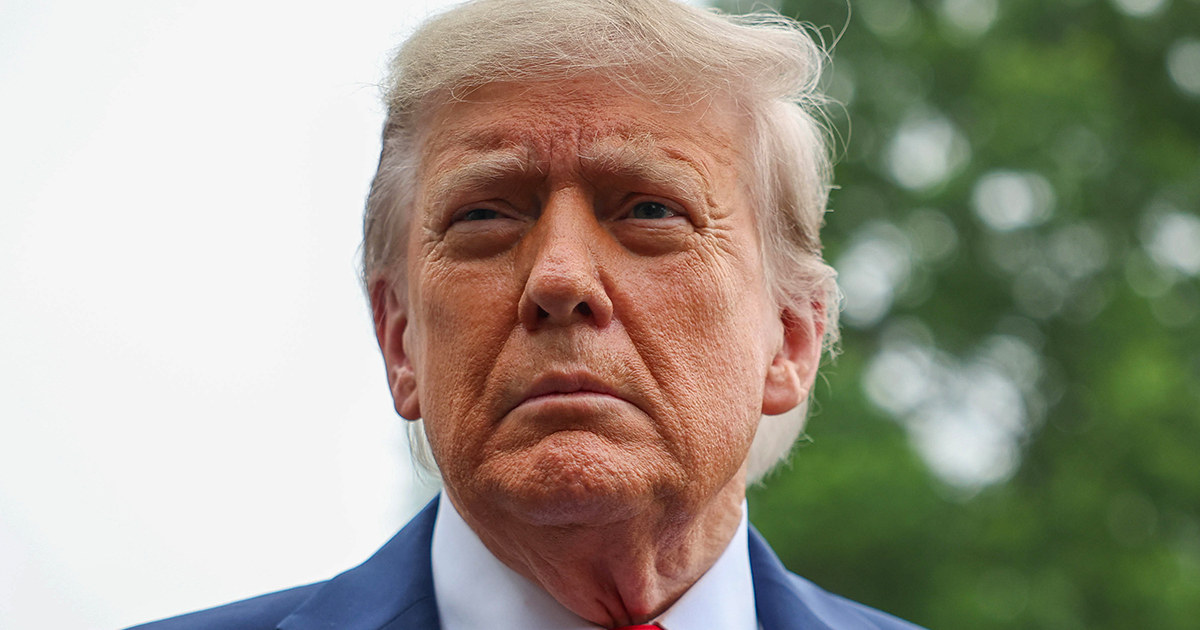
President Donald Trump has come under renewed criticism after comments about the growing threat of conflict involving Iran sparked concerns about the possibility of attacks on American soil.
Speaking about the risks associated with military action, Trump acknowledged that war inevitably comes with casualties, stating that loss of life is an unfortunate reality whenever nations engage in armed conflict.
His remarks arrive at a time of increasing global anxiety as tensions between the United States and Iran continue to escalate. The ongoing violence in the Middle East has already claimed more than a thousand lives and spread beyond the original conflict zone, affecting neighboring countries and raising fears of a much larger confrontation.
Security experts and political leaders have warned that the situation could worsen, potentially drawing additional nations into the crisis and creating wider international consequences.
During an interview with Time magazine, Trump was asked whether Americans should be worried about retaliatory attacks taking place inside the United States as the conflict unfolds overseas. He suggested that such concerns are always part of national security planning and acknowledged that some level of risk exists whenever military operations are underway.
His comments have fueled public debate, especially as many people around the world are already concerned about the possibility of a broader global war.
Those fears are echoed by several international leaders. Ukrainian President Volodymyr Zelensky has previously argued that the war triggered by Russia’s invasion of Ukraine may already represent the early stages of a larger global conflict. He has warned that the challenge facing the international community is determining how far Russian expansion could go and how it can be stopped.
Public opinion surveys suggest these concerns are becoming increasingly common. Research conducted across several European countries found that a significant portion of respondents believe another world war could break out within the next decade. Similar concerns were reflected among Americans, with nearly half expressing the belief that a major global conflict is a realistic possibility.
Even more striking, most people surveyed said they expect nuclear weapons would likely be used if such a war occurred. The prospect of a nuclear confrontation has led researchers and analysts to examine which regions might be better positioned to avoid the worst consequences of a large-scale conflict.
Outside the United States, countries known for long-standing neutrality are often mentioned in discussions about relative safety during international crises. Nations such as Switzerland, Ireland, and Austria are frequently cited because of their historical efforts to remain outside major military confrontations.
Within the United States, experts say location could make a meaningful difference in a worst-case scenario. Areas situated far from major military installations, strategic command centers, and critical defense infrastructure may face fewer immediate risks compared with regions tied directly to national security operations.
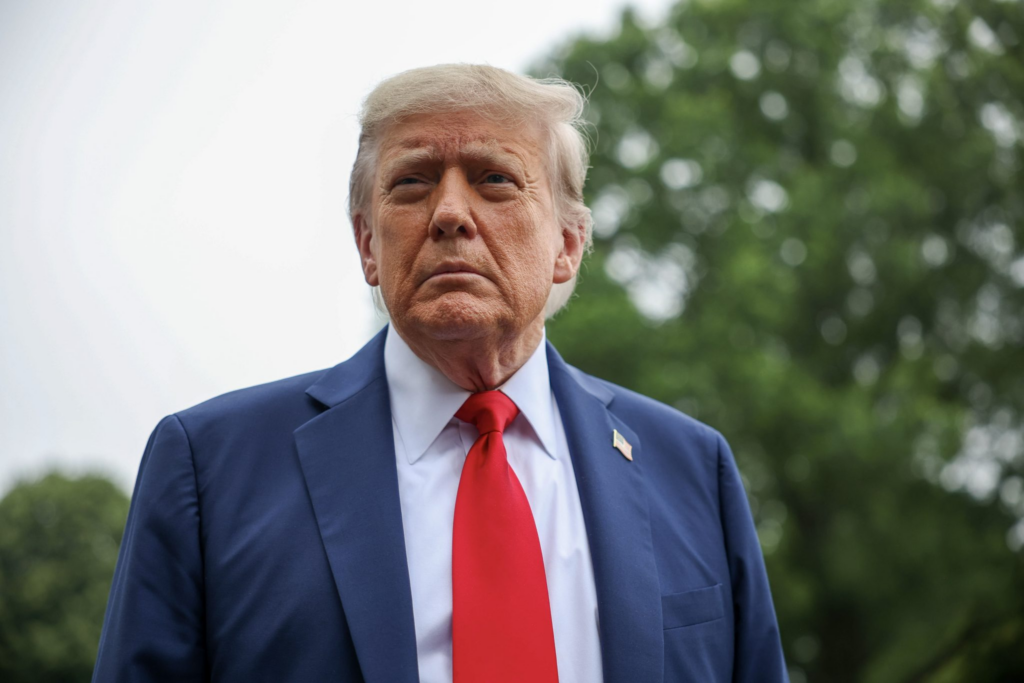
Analyses referenced by various researchers suggest that several states along the East Coast, Southeast, and portions of the Midwest could be considered relatively less exposed to direct military targeting. However, experts caution that no area can be viewed as completely secure.
By contrast, some states in the central part of the country are often considered more vulnerable because they contain or border key missile silo facilities. States including Montana, Wyoming, Colorado, Nebraska, North Dakota, South Dakota, Iowa, and Minnesota are frequently mentioned in discussions about strategic military targets.
Military analysts note that missile silos would likely become priority objectives in a nuclear conflict because disabling them could limit a nation’s ability to launch a retaliatory response. As a result, communities located near those installations could face elevated risks.
Despite these assessments, specialists emphasize that geography alone offers no guarantees. Modern warfare could involve attacks on military bases, transportation networks, energy systems, communication hubs, and major metropolitan areas.
Ultimately, experts agree on one sobering reality: in the event of a large-scale nuclear war, no location can be considered entirely safe. While some regions may appear less vulnerable than others, the devastating reach of modern weapons means that the consequences could extend far beyond any single target zone.
Against this backdrop, Trump’s recent comments—and the controversy surrounding his birthday remarks—have added another layer to an already heated national conversation about security, leadership, and the growing uncertainty surrounding global stability.