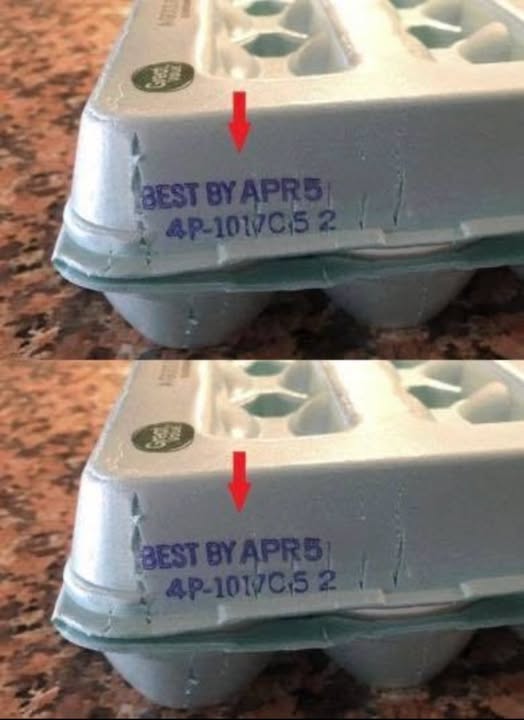
Almost everyone has experienced the disappointment of cracking open an egg only to be greeted by a foul smell. Instead of relying on guesswork to determine whether your eggs are still fresh, there’s a simple way to know before you even bring them home. The answer lies in the small codes printed on the carton and, in some cases, on the eggs themselves.
Eggs are one of the most versatile foods in any kitchen. They can be scrambled for breakfast, poached for lunch, fried for dinner, or used as a key ingredient in everything from cookies to cakes. Yet while most shoppers glance at the expiration date, few pay attention to the additional numbers and letters printed on the package.
Those markings can reveal valuable information about the eggs’ freshness and where they were processed. Understanding them can help you choose better-quality eggs and avoid unpleasant surprises later.
Decoding the Julian Date
One of the most important markings on an egg carton is a three-digit number known as the Julian date. This number indicates the exact day of the year when the eggs were packaged.
The system is straightforward:
- 001 represents January 1
- 032 represents February 1
- 365 represents December 31
For instance, a carton marked with 045 means the eggs were packaged on the 45th day of the year, which falls on February 14.
By checking this number, you can get a much clearer picture of how fresh the eggs are than by looking only at the sell-by date.
Understanding the Plant Code
You may also notice a code beginning with the letter “P” followed by several numbers. This is known as the plant code.
The plant code identifies the facility where the eggs were cleaned, processed, and packaged. While it may seem unimportant during everyday shopping, it becomes useful if a product recall occurs. Consumers can use the code to determine whether their eggs are affected by a specific recall announcement.
Why These Codes Matter
Knowing how to read egg carton codes can help you make smarter purchasing decisions.
Although eggs can remain fresh for several weeks when properly refrigerated, they may have been packaged long before they reached the store shelf. In some cases, eggs can be sold up to a month after packaging.
To find the freshest option available:
- Compare cartons and choose the one with the highest Julian date.
- Look for packaging dates that are close to the sell-by date.
- Select eggs that were packaged most recently whenever possible.
Fresher eggs generally provide better flavor, texture, and performance in cooking and baking.
What Happens as Eggs Age?
Eggs don’t instantly spoil once they pass a certain date, but their quality gradually declines over time.
As eggs get older:
- Moisture slowly evaporates through the shell.
- Carbon dioxide escapes, changing the egg’s internal structure.
- Egg whites become thinner and less firm.
- Yolks flatten and become more fragile.
- The risk of bacterial growth increases if the eggs are not stored correctly.
While older eggs may still be safe to eat, fresh eggs usually produce better results in dishes where texture is important, such as poached eggs, omelets, soufflés, and meringues.
Proper Egg Storage Tips
Buying fresh eggs is only part of the equation. Proper storage is essential for maintaining their quality.
Here are a few simple guidelines:
- Keep eggs in their original carton to protect them and reduce odor absorption.
- Store them in the coldest area of the refrigerator rather than in the door.
- Use them within three to five weeks for the best flavor and consistency.
- Avoid leaving eggs at room temperature for extended periods.
Following these steps can significantly extend freshness and reduce waste.
Easy Ways to Check If Eggs Are Still Good
If you’re unsure whether your eggs are fresh, a couple of simple tests can help.
The Float Test
Fill a bowl with cold water and gently place an egg inside.
- Fresh eggs sink and rest on their sides.
- Older eggs may stand upright at the bottom.
- Eggs that float to the surface should be discarded, as they contain more trapped air and may no longer be safe.
The Crack Test
Crack the egg into a separate bowl before using it.
Signs of a fresh egg include:
- A thick, firm egg white
- A rounded, centered yolk
If the white spreads excessively, the yolk appears flat, or the egg has an unusual odor, it’s best to throw it away.
Tips for Buying High-Quality Eggs
When shopping for eggs, keep these recommendations in mind:
- Choose cartons stored in refrigerated displays.
- Check for cracked or dirty shells.
- Look for quality certification labels.
- Select cartons with the most recent packaging dates.
- Purchase only the quantity you expect to use within a reasonable timeframe.
These small steps can help ensure you bring home the freshest eggs available.
Creative Ways to Use Eggs Before They Expire
If you find yourself with more eggs than you can use, there are plenty of delicious ways to put them to good use before they go bad.
Consider making:
- Quiche packed with vegetables and cheese
- Shakshuka with eggs simmered in a flavorful tomato sauce
- Homemade pasta dough
- Breakfast burritos for meal prep
- Rich pound cake
- Classic crème brûlée
- Golden French toast
- Light and airy soufflés
- Portable egg muffins for busy mornings
These recipes are great for reducing food waste while creating satisfying meals and desserts.
The Bottom Line
The next time you’re standing in the egg aisle, take a closer look at the carton. Those small numbers and codes provide valuable information about freshness and quality. By learning how to read the Julian date and plant code, you can make more informed choices and enjoy better-tasting eggs at home.
Many people overlook these markings without realizing how useful they can be. Now that you know what they mean, checking them may become part of your regular grocery shopping routine.







