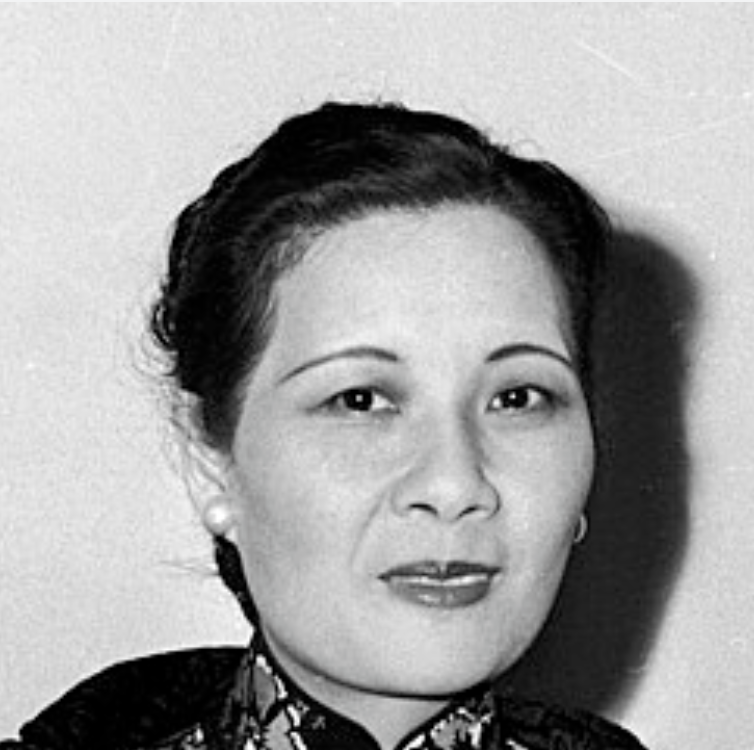
Soong Mei-ling, widely known as Madame Chiang Kai-shek, was one of the most influential women in modern Chinese history. As the wife of Chiang Kai-shek, she played a significant role in politics, diplomacy, and international relations during a pivotal period in China’s development.
While her political achievements are well documented, many people remain fascinated by another remarkable aspect of her life—her extraordinary longevity. Despite facing serious health challenges, including a cancer diagnosis in middle age, Soong Mei-ling lived to the age of 106, leaving many wondering how she maintained her health for so many decades.
Overcoming a Serious Health Challenge
At around 40 years old, Soong Mei-ling was diagnosed with cancer, a diagnosis that could have dramatically altered the course of her life. However, she successfully underwent treatment and recovered, continuing to remain active and influential for many years afterward.
Her long life has often been attributed to a combination of disciplined daily habits, a balanced lifestyle, and principles rooted in traditional Chinese wellness practices.
She passed away in 2003 at the age of 106, having witnessed more than a century of historical change.
A Consistent Daily Routine
One of the foundations of Soong Mei-ling’s lifestyle was maintaining a structured schedule.
She reportedly followed a regular sleep routine, typically going to bed around 11 p.m. and waking up at approximately 9 a.m. Health experts often emphasize the importance of quality sleep, and she appeared to make rest a priority throughout her life.
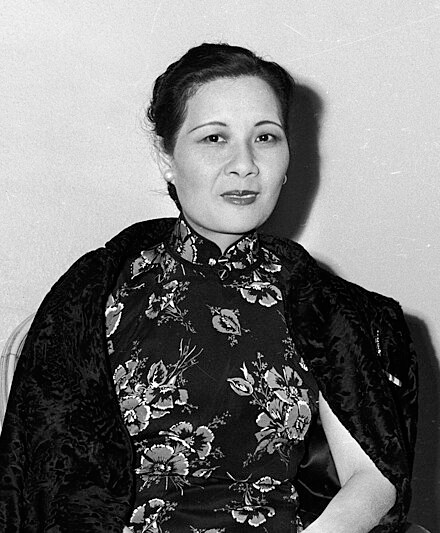
In addition to sleep, she devoted time each day to activities that stimulated her mind and creativity. Reading, painting, and drawing were among her favorite pursuits, helping her stay mentally engaged and active.
Many longevity researchers believe that maintaining intellectual curiosity and cognitive activity can contribute to healthy aging.
Starting the Day With Simple Habits
According to accounts of her lifestyle, Soong Mei-ling often began her mornings with a glass of cold water mixed with lemon.
She also enjoyed a variety of fruits, including kiwi, pineapple, and lychee, which provided vitamins, antioxidants, and natural hydration.
These foods became regular components of her diet and reflected her preference for fresh, nutrient-rich ingredients.
Vegetables That Played a Key Role
Among the foods she reportedly valued most was celery.
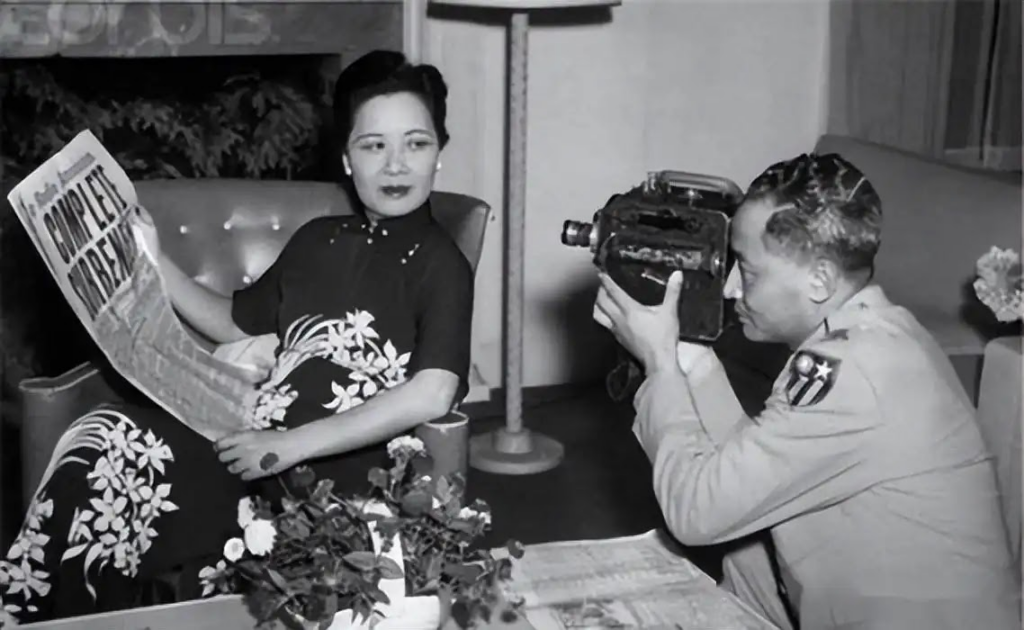
In traditional Chinese dietary practices, celery is often appreciated for its nutritional profile. It contains vitamins, minerals, fiber, and plant compounds that may support overall wellness when included as part of a balanced diet.
Celery is also inexpensive, easy to grow, and versatile enough to be used in a variety of meals.
Another vegetable frequently associated with Soong Mei-ling’s diet was spinach.
Spinach is widely recognized for being rich in nutrients such as iron, calcium, folate, and vitamins A, C, and K. It also contains antioxidants that may help support overall health and healthy aging.
Its nutritional density has made it a staple food in many cultures around the world.
The Habit of Eating Smaller Meals
Perhaps one of the most talked-about aspects of Soong Mei-ling’s lifestyle was her approach to eating.
Rather than consuming three large meals each day, she reportedly preferred eating smaller portions more frequently. Accounts suggest she ate around five times daily, avoiding overeating and stopping before she felt completely full.
This practice aligns with a long-standing philosophy found in several cultures that emphasizes moderation and mindful eating.
By avoiding excessive portions, she maintained a balanced approach to nutrition while ensuring her body received steady nourishment throughout the day.
A Lifestyle That Continues to Inspire
Although no single food or habit can guarantee a long life, Soong Mei-ling’s story continues to inspire people interested in healthy aging and longevity.
Her commitment to routine, balanced nutrition, mental stimulation, and moderation offers valuable lessons that remain relevant today.
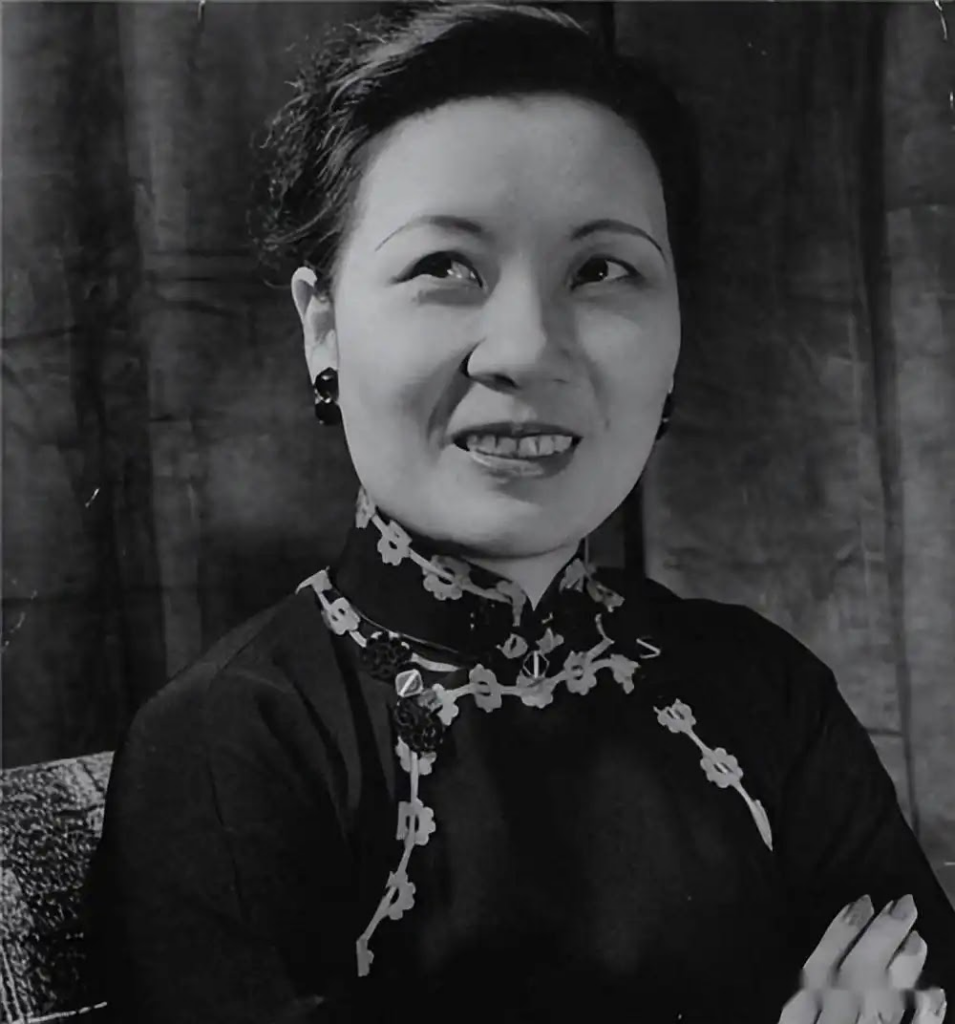
While modern science emphasizes that longevity is influenced by many factors—including genetics, healthcare, environment, and lifestyle—Soong Mei-ling’s disciplined habits undoubtedly played a role in helping her maintain her health well into her second century of life.
More than two decades after her passing, her remarkable journey remains a fascinating example of resilience, healthy living, and the potential benefits of lifelong self-care.







