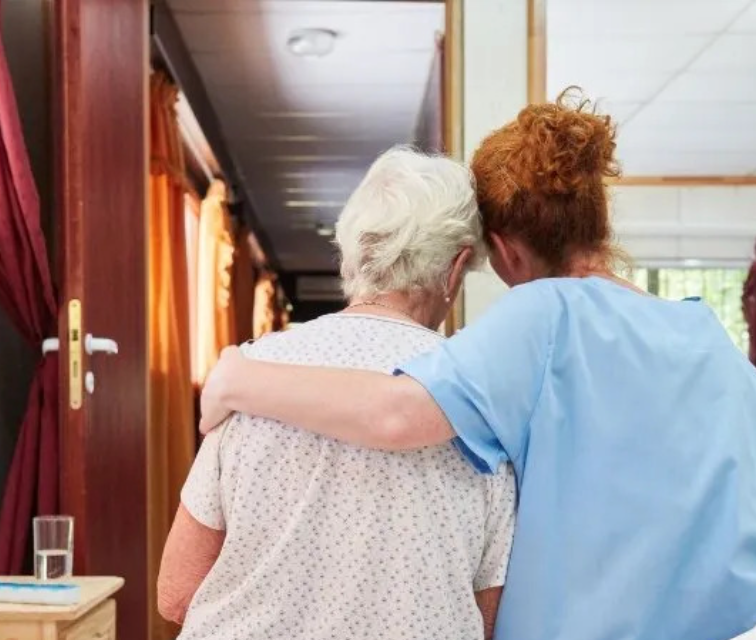
Death is one of life’s most difficult and often misunderstood experiences. While it is something every person will eventually face, many families feel unprepared for the physical and emotional changes that occur during the final stages of life.
That is why hospice nurse Julie McFadden has made it her mission to educate people about the dying process and reduce the fear that often surrounds it.
Through her work in hospice care, bestselling book, and widely followed social media platforms, McFadden shares insights gained from years of caring for patients at the end of life. Her goal is simple: to help families understand what is happening so they can approach the experience with greater confidence, compassion, and peace of mind.
Understanding Changes in Breathing
One of the most alarming experiences for family members can be the changes in breathing that often occur during a person’s final days.
According to McFadden, a pattern known as Cheyne-Stokes breathing is common among people nearing death. This breathing pattern typically involves periods of rapid breathing followed by pauses that may last several seconds before breathing resumes.
Although witnessing these pauses can be distressing, McFadden explains that they are usually a natural part of the body’s transition and do not necessarily indicate that the person is suffering.
Many families later tell hospice workers that they wish they had known about these changes beforehand, as understanding what is happening can help reduce anxiety during an already emotional time.
What Is the “Death Rattle”?
Another end-of-life symptom that often worries loved ones is something commonly known as the “death rattle.”
This occurs when a person becomes too weak to swallow normally. Saliva can accumulate in the mouth and upper airway, creating a gurgling or rattling sound during breathing.
Because the sound can be quite noticeable, many people assume their loved one is struggling to breathe or experiencing distress.
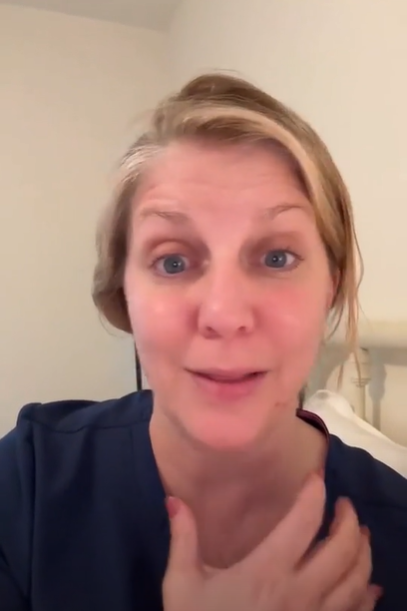
However, McFadden explains that this is generally not the case.
According to hospice professionals, the noise is usually caused by secretions in the throat rather than fluid in the lungs. Patients often remain relaxed and show no signs of discomfort despite the unusual sound.
Understanding this can provide reassurance to family members who may otherwise fear their loved one is suffering.
Signs That May Appear Six Months Before Death
Hospice nurses often recognize patterns that suggest a person may be entering the final months of life.
McFadden notes that several broad changes commonly appear around the six-month mark, particularly in individuals with serious illnesses.
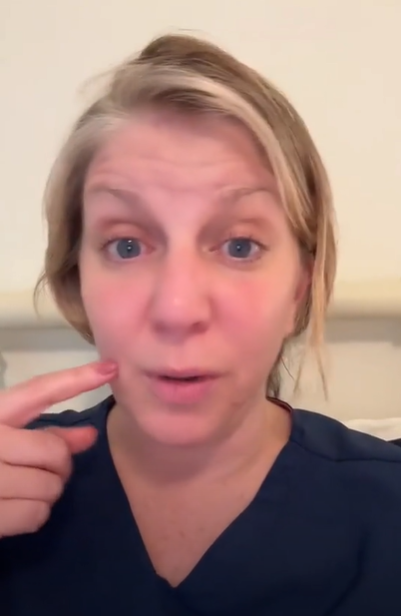
One of the earliest signs is social withdrawal. People often become less interested in social activities and may prefer spending more time alone or with a small circle of loved ones.
Increased fatigue is also common. Many patients begin sleeping significantly more than usual and have less energy for daily activities.
Another frequently observed change is a reduced interest in food and drink. Appetite often decreases naturally as the body’s energy needs begin to change.
While these symptoms can occur for many reasons, hospice professionals consider them important indicators when evaluating a patient’s overall condition.
Changes Commonly Seen Around Three Months Before Death
As a person moves closer to the end of life, physical weakness often becomes more noticeable.
According to McFadden, everyday activities that once seemed simple may become increasingly difficult. Walking, bathing, dressing, and even using the bathroom may require assistance.
Many people spend much more time at home or in bed as their energy levels continue to decline.
Sleeping increases, while eating and drinking typically continue to decrease.
These changes often signal that the body is gradually conserving energy and focusing on essential functions.
The Experiences Reported During the Final Month
One of the most fascinating—and sometimes surprising—aspects of end-of-life care involves experiences that many patients report during their final weeks.
Hospice workers frequently observe patients speaking about deceased relatives, friends, or even beloved pets.
Some individuals describe seeing or communicating with loved ones who have already passed away.
McFadden says these experiences are reported often enough that they have become a well-recognized part of hospice care.
While medical professionals do not fully understand why these experiences occur, many patients appear comforted by them rather than frightened.
For families, hearing a loved one talk about seeing someone who died years earlier can be confusing. However, hospice experts generally encourage relatives to listen with empathy rather than argue or attempt to correct the patient.
Why Compassion Matters
Hospice nurse and healthcare writer Angela Morrow has also discussed these end-of-life experiences.
She advises caregivers to avoid dismissing or challenging what patients report seeing. Instead, she recommends responding with kindness and curiosity, helping patients feel safe and understood.
Whether these experiences are spiritual, psychological, or something else entirely, the most important thing is supporting the person’s emotional well-being.
For many families, simply listening can provide comfort during an otherwise uncertain time.
The Final Weeks of Life
As death approaches, hospice professionals often monitor three key factors: sleeping, eating, and drinking.
McFadden explains that many people spend the majority of their final weeks asleep. Food and fluid intake often become minimal as the body’s systems begin to slow down naturally.
Rather than forcing eating or drinking, hospice care focuses on comfort and honoring the body’s changing needs.
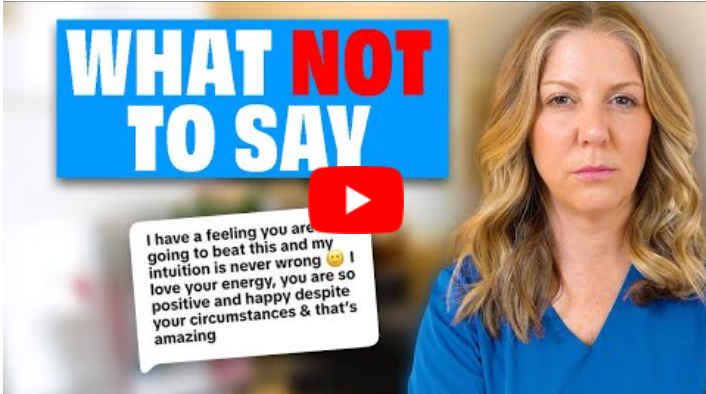
The philosophy behind hospice care is not to fight the dying process but to provide dignity, support, and relief from discomfort throughout it.
Helping Families Feel Less Afraid
McFadden’s educational videos have resonated with millions of people, particularly those caring for loved ones in hospice.
Many viewers have shared stories of how her explanations helped them better understand what was happening during a parent’s, grandparent’s, or spouse’s final days.
Others, including healthcare workers and hospice volunteers, praise her efforts to educate families about what to expect during one of life’s most difficult transitions.
A Message of Understanding
Although death remains one of the most challenging subjects to discuss, professionals like Julie McFadden are helping to bring greater understanding to a process that often feels mysterious and frightening.
Her message is not about giving up hope. Instead, it is about recognizing that dying is a natural part of life and that informed, compassionate care can make an enormous difference for both patients and their loved ones.
By openly discussing the physical and emotional changes that commonly occur near the end of life, hospice professionals hope to replace fear with understanding—and help families navigate this deeply personal journey with greater peace and confidence.







