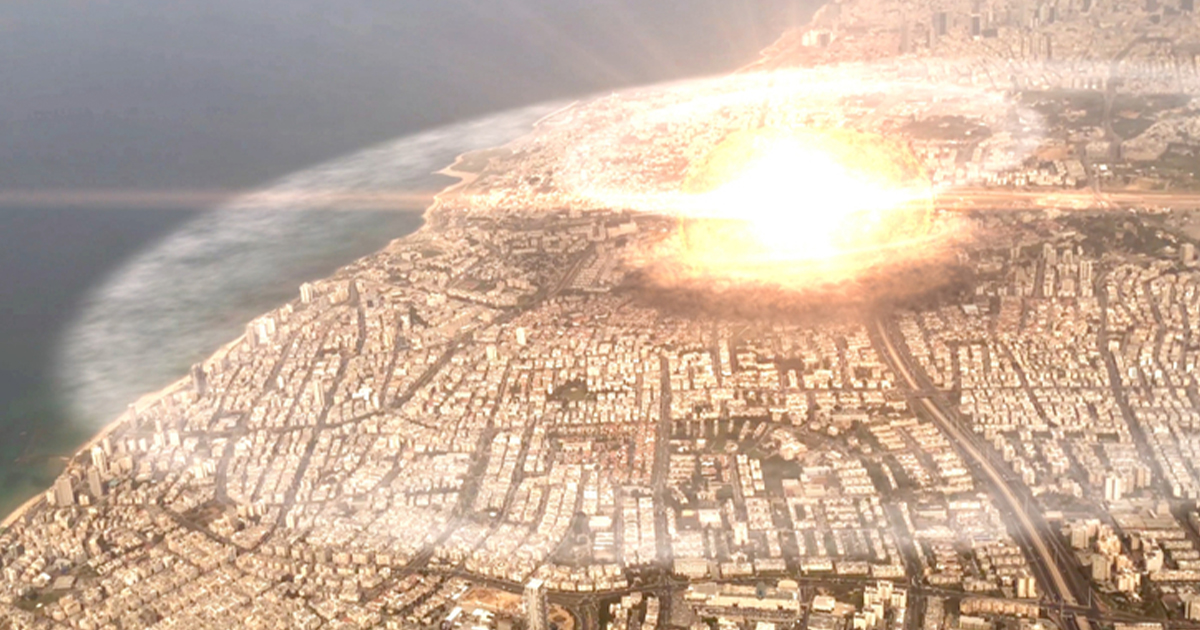
As tensions rise in the Middle East following recent U.S. and Israeli strikes on Iranian targets, many people are beginning to ask a question that once seemed confined to history books: what would happen if a major global conflict spiraled into a nuclear war?
For many Americans, that concern has sparked another unsettling thought — if a large-scale war ever reached U.S. soil, where would be the safest place to live?
Echoes of the Cold War
During the Cold War, schoolchildren across the United States were taught how to respond to a nuclear attack. The famous “duck and cover” drills instructed students to hide under desks in the event of a Soviet missile strike. While these exercises offered limited real protection, they reflected the widespread fear of nuclear conflict that dominated the era.
Decades later, those fears had largely faded. However, growing instability involving Iran has led some observers to wonder whether the possibility of nuclear confrontation is once again becoming a serious concern.
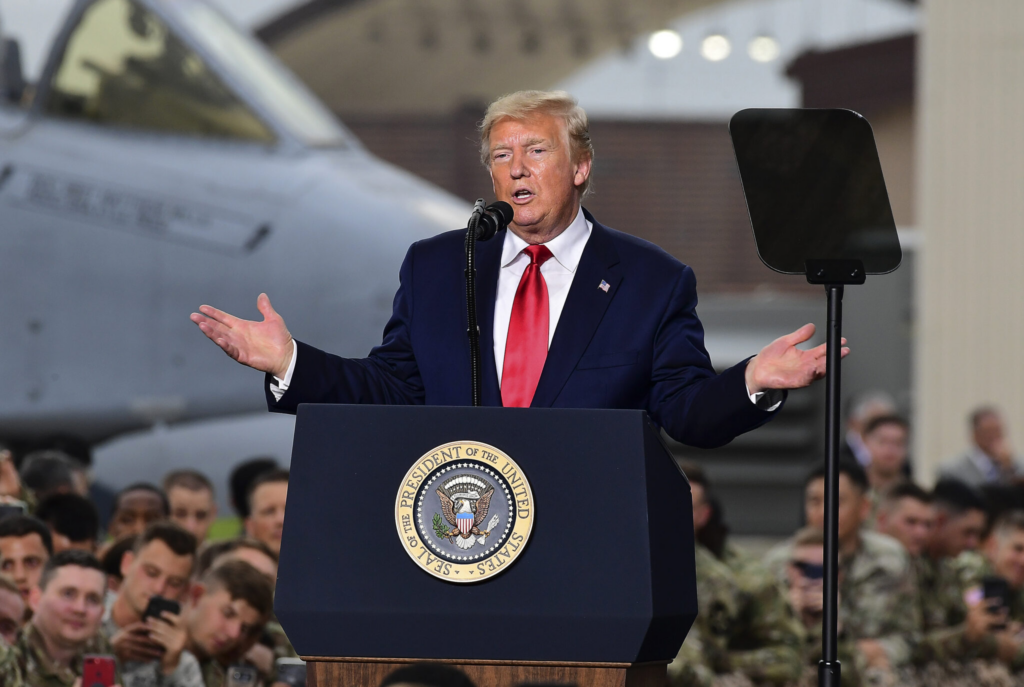
The Trump administration has argued that Iran has resumed efforts connected to a nuclear weapons program and possesses the capability to produce a nuclear weapon in a short period of time. Officials have also expressed concerns about the country’s missile development efforts.
However, reports from several major news organizations have noted that many of these claims remain disputed or have not been conclusively verified. Despite ongoing debate surrounding the intelligence, military operations targeting Iranian facilities have already taken place.
Growing Fears of Retaliation
The military campaign, reportedly known as Operation Epic Fury, struck multiple locations throughout Iran, including major cities such as Tehran, Isfahan, Tabriz, Kermanshah, and Qom.
Although U.S. officials have warned Iran against retaliatory action, security experts caution that any response could significantly increase tensions and potentially place strategic American military assets at risk.
One area of particular concern involves America’s nuclear infrastructure.
Where Are America’s Nuclear Weapons Located?
According to publicly available defense data, a large portion of the United States’ nuclear arsenal is stationed in the central region of the country. States such as Montana, North Dakota, and Nebraska host many of the nation’s missile silos, while additional facilities exist in Wyoming and Colorado.
Military analysts note that these locations could become high-priority targets in a worst-case nuclear exchange.
The danger extends beyond the immediate impact of an attack. A strike on nuclear facilities could release significant amounts of radioactive contamination, affecting large surrounding regions. Areas containing missile silos — including Montana, Wyoming, Colorado, Nebraska, North Dakota, South Dakota, Iowa, and Minnesota — could potentially face severe radiation exposure depending on the scale and nature of any attack.
Because of these risks, some experts believe that states located farther from strategic nuclear targets may offer a better chance of avoiding the initial effects of a nuclear conflict.
States Considered Less Vulnerable
Analyses examining radiation exposure risks have identified several states that may be less directly affected by strikes aimed at America’s nuclear infrastructure.
Among the locations often mentioned are:
- Maine
- New Hampshire
- Vermont
- Massachusetts
- Rhode Island
- Connecticut
- New York
- New Jersey
- Pennsylvania
- Delaware
- Maryland
- Virginia
- West Virginia
- North Carolina
- South Carolina
- Georgia
- Florida
- Alabama
- Mississippi
- Tennessee
- Kentucky
- Ohio
- Indiana
- Michigan
Additional states sometimes cited as relatively lower-risk include Washington, Utah, New Mexico, and Illinois.
These assessments are based on models that estimate potential radiation exposure across different geographic regions following a nuclear event. Researchers use projected radiation doses over several days to determine which areas could experience lower contamination levels compared to regions surrounding missile fields.
No Place Is Completely Safe
Despite these calculations, experts consistently stress that no location in the United States can be considered entirely secure in the event of a full-scale nuclear war.
A large nuclear exchange would have consequences extending far beyond blast zones. Radioactive fallout, infrastructure collapse, economic disruption, food shortages, and environmental damage would affect vast areas of the country.
Scientists have warned that attacks on major missile silo regions could devastate nearby communities and leave agricultural land contaminated for years.
The challenge, therefore, isn’t simply surviving the initial strikes — it’s surviving what comes afterward.
The Bigger Threat: Nuclear Winter
Some researchers argue that the greatest danger following a large nuclear conflict would be a phenomenon known as nuclear winter.
This scenario occurs when enormous quantities of smoke and soot from fires enter the atmosphere and block sunlight. Global temperatures could fall dramatically, shortening growing seasons and devastating food production worldwide.
Investigative journalist Annie Jacobsen discussed this possibility during an appearance on The Diary of a CEO podcast. She explained that many traditionally fertile farming regions could become too cold to support agriculture for years.
According to Jacobsen, countries in the Southern Hemisphere may be in a stronger position to withstand such conditions.
Why Australia and New Zealand Are Often Mentioned
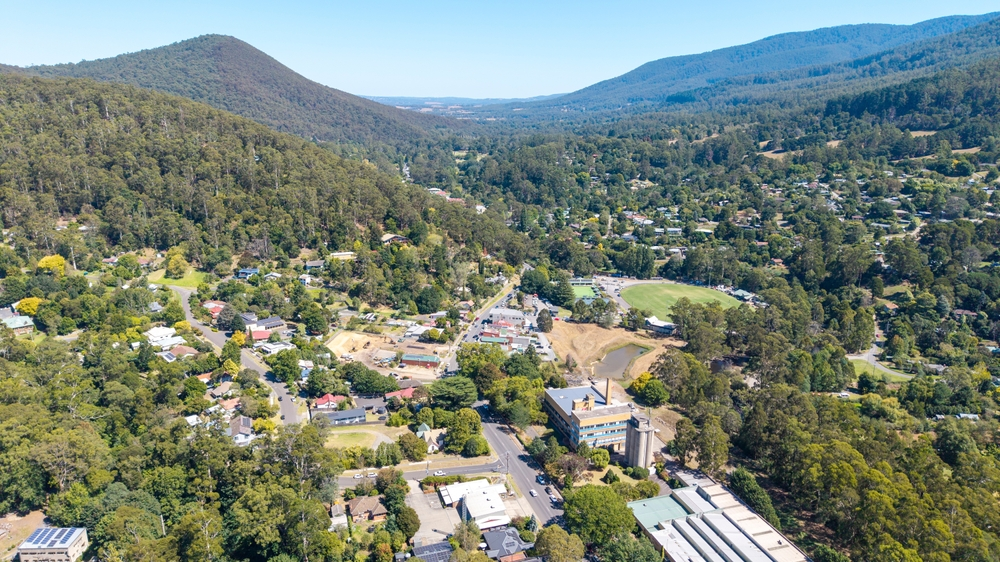
Jacobsen pointed to Australia and New Zealand as two of the locations most frequently identified as having the best long-term survival prospects in a post-nuclear world.
Their geographical isolation offers several advantages. They are located far from many of the world’s major nuclear powers and would be less likely to become primary targets during an initial exchange.
More importantly, experts believe these countries may retain a greater ability to grow food if global temperatures decline dramatically. Continued agricultural production could become one of the most important factors in determining which societies remain stable during a prolonged nuclear winter.
Without functioning agriculture, food shortages could quickly become a larger threat than radiation itself.
Jacobsen also warned that widespread radiation exposure and damage to the ozone layer could make outdoor life far more dangerous in many parts of the world. Under such conditions, access to food, shelter, and sustainable farming would become critical for survival.
A Sobering Reality
While discussions about safe locations often attract attention, experts agree on one important point: there are no guarantees in a nuclear war.
Even areas considered lower-risk would still face enormous challenges resulting from fallout, economic collapse, disrupted supply chains, and long-term environmental consequences.
For that reason, specialists emphasize that prevention and diplomacy remain far more effective than trying to identify the “perfect” place to survive.
In the end, the safest outcome is not finding the right location after a nuclear conflict begins — it’s ensuring such a conflict never happens in the first place.