Many people have wondered at some point whether they might have a royal ancestor somewhere in their family tree. While kings, queens, and nobles often seem far removed from everyday life, genealogists say that surprising family connections can sometimes be found in unexpected places.
In fact, certain surnames have long been associated with royal families, noble bloodlines, and aristocratic heritage. Although sharing a surname doesn’t automatically mean you’re descended from royalty, it can provide an intriguing clue for those interested in exploring their ancestry.
The Fascination With Royal Roots
For centuries, royal families have captured the public’s imagination. Their history, traditions, and influence have made them subjects of endless curiosity.
As genealogy research has become more accessible through online databases and DNA testing services, more people are discovering that their family histories may be connected to historical figures, noble houses, or even distant royal relatives.
Experts point out that many modern families can trace their lineage back hundreds of years, and in some cases, those family trees intersect with well-known aristocratic families.
The Royal Family’s Current Surname
Many people are surprised to learn that the British royal family’s official surname is not simply Windsor.
The current family name is Mountbatten-Windsor, combining the royal House of Windsor with the surname adopted by Prince Philip before his marriage to Queen Elizabeth II.
Prince Philip, originally born into the Greek and Danish royal families, became a British citizen before marrying the future queen. He adopted the surname Mountbatten, a name linked to his maternal family.
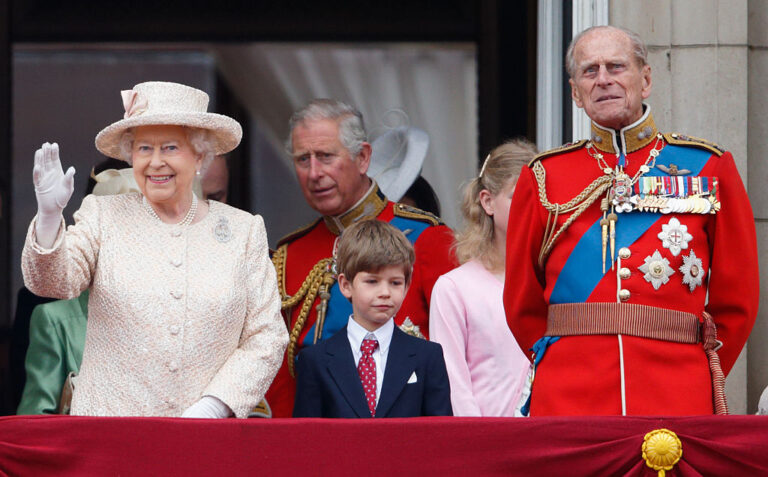
When Queen Elizabeth II became monarch, she later approved the combined surname Mountbatten-Windsor for her descendants, creating the royal family name that continues today.
Surnames Often Linked to Noble Heritage
Genealogy researchers have identified a number of surnames that frequently appear in family histories connected to noble or aristocratic lines.
Among them are:
- Campbell
- Douglas
- Howard
- Hamilton
- Graham
- Montgomery
- Stanley
- Spencer
- Russell
- Talbot
- Cavendish
- Percy
- Neville
- Seymour
- Grey
- Courtenay
- FitzAlan
- Lancaster
- York
- Bruce
Many of these names are associated with influential noble families that played significant roles throughout British and European history.
Other common surnames such as Smith, Johnson, Williams, Walker, Taylor, Cooper, Robinson, and Davis have also appeared in genealogical records linked to historical family lines, though their widespread use means they are not reliable indicators on their own.
Famous Royal Houses Through History
Some surnames are directly connected to famous royal dynasties that shaped nations and empires.
Examples include:
- Windsor
- Tudor
- Stuart
- Plantagenet
- Bourbon
- Habsburg
- Hanover
- Romanov
- Valois
- Oldenburg
- Orange-Nassau
- Savoy
- Capet
These dynasties ruled various kingdoms across Europe and left lasting marks on world history.
Finding one of these names in your family tree can certainly spark curiosity, though experts caution that detailed genealogical research is necessary before drawing any conclusions.
A Name Is Only the Beginning
Genealogy specialists emphasize that a surname alone cannot prove royal ancestry.
Over generations, surnames have changed, been adopted, modified, translated, and passed through different family branches. Many unrelated people can share the same last name without having any common ancestor.
To determine whether a genuine connection exists, researchers typically examine:
- Birth and marriage records
- Census data
- Church documents
- Immigration records
- Historical archives
- DNA testing results
These sources can help build a more complete picture of a family’s history.
How Far Back Can Royal Family Trees Be Traced?
One reason royal genealogy fascinates historians is the extraordinary level of documentation available.
The family tree of the late Queen Elizabeth II can reportedly be traced back more than 1,200 years through dozens of documented generations.
Many historians identify Æthelstan, who ruled in the 10th century, as one of the earliest monarchs whose lineage can be connected to later English royal families.
Because royal births, marriages, and successions were carefully recorded, these family trees often provide valuable insights into European history.
Why So Many People May Have Royal Connections
Interestingly, genealogists often point out that if you go back enough generations, millions of people today may share distant ancestry with historical nobles or royals.
As family lines spread and merge over centuries, descendants become increasingly numerous. A royal ancestor from hundreds of years ago could potentially have thousands—or even millions—of living descendants today.
That means discovering a distant royal connection is often more common than people realize.
Exploring Your Own Family History
If you’ve ever been curious about your roots, your surname can be a fascinating place to start.
While sharing a historically significant last name doesn’t automatically make someone royalty, it may provide a clue worth investigating. Family records, genealogy websites, historical archives, and DNA services can all help uncover stories hidden within your ancestry.
You may not discover a king or queen in your family tree—but you might uncover remarkable stories, surprising connections, and a deeper understanding of where your family came from.
And sometimes, that’s even more rewarding than finding a crown.







