Maintaining a clean home is something most people strive for, but it can become increasingly challenging as life gets busier. Daily chores such as sweeping, vacuuming, and mopping often feel never-ending, especially after a long day of work or when energy levels are low. Even after spending time cleaning, many homeowners notice that dust and dirt seem to reappear almost immediately, leaving floors looking less than spotless far sooner than expected.
This frustrating cycle is common in households of all sizes. Whether you live alone or have a busy family constantly moving through the house, keeping floors clean can feel like a constant battle. Fortunately, many people rely on simple, practical cleaning methods that help maintain a fresher home without requiring expensive products or complicated routines.
Why Floors Get Dirty So Fast
Have you ever mopped your floors only to notice dust settling again a day later? There are several reasons this happens.
One of the biggest contributors is everyday movement inside the home. Each time someone walks through a room, tiny particles of dust are stirred into the air before eventually settling back onto surfaces. Open windows, pets, and airflow from heating or cooling systems can also move dust from one area to another.
Another common issue is the buildup of invisible residue. Cooking oils, food particles, dirt tracked in from outdoors, and small spills can leave behind a thin film on the floor. While it may not be immediately noticeable, this layer can attract dust and make floors appear dirty much faster.
Dry weather can create another challenge. In low-humidity conditions, static electricity tends to increase, causing dust, pet hair, and other lightweight debris to cling more stubbornly to flooring surfaces. This can make even freshly cleaned floors seem less clean within a short period.
Why Preparation Matters Before Mopping
One of the most overlooked steps in floor cleaning happens before the mop ever touches the floor.
Sweeping or vacuuming first removes loose dirt, hair, crumbs, and dust that would otherwise be pushed around during mopping. Skipping this step often results in spreading debris rather than removing it, leading to streaks and less effective cleaning.
Taking a few extra minutes to properly prepare the surface can significantly improve cleaning results. When loose particles are removed beforehand, the mop solution can focus on lifting grime directly from the floor rather than battling scattered debris.
This simple habit often helps floors stay cleaner and look fresher for a longer period.
Everyday Household Ingredients Commonly Used for Cleaning
Many people enjoy incorporating basic household items into their regular cleaning routines. These ingredients have been used for generations and are often valued for their convenience and versatility.
Some commonly used options include:
- Mild dish soap – Helpful for cutting through greasy residue and everyday grime.
- White vinegar – Frequently used as a multipurpose cleaning aid for many household surfaces.
- Baking soda – Popular for reducing odors and assisting with light stain removal.
- Rubbing alcohol – Often used because it evaporates quickly and may help minimize streaking.
- Salt – Sometimes included in traditional cleaning methods as a gentle scrubbing aid.
- Fabric softener – Occasionally added in small amounts to reduce static and leave a pleasant scent.
These ingredients are typically diluted with water and used alongside standard cleaning practices rather than as direct replacements for specialized floor-care products.
How Homemade Cleaning Mixtures Are Often Used
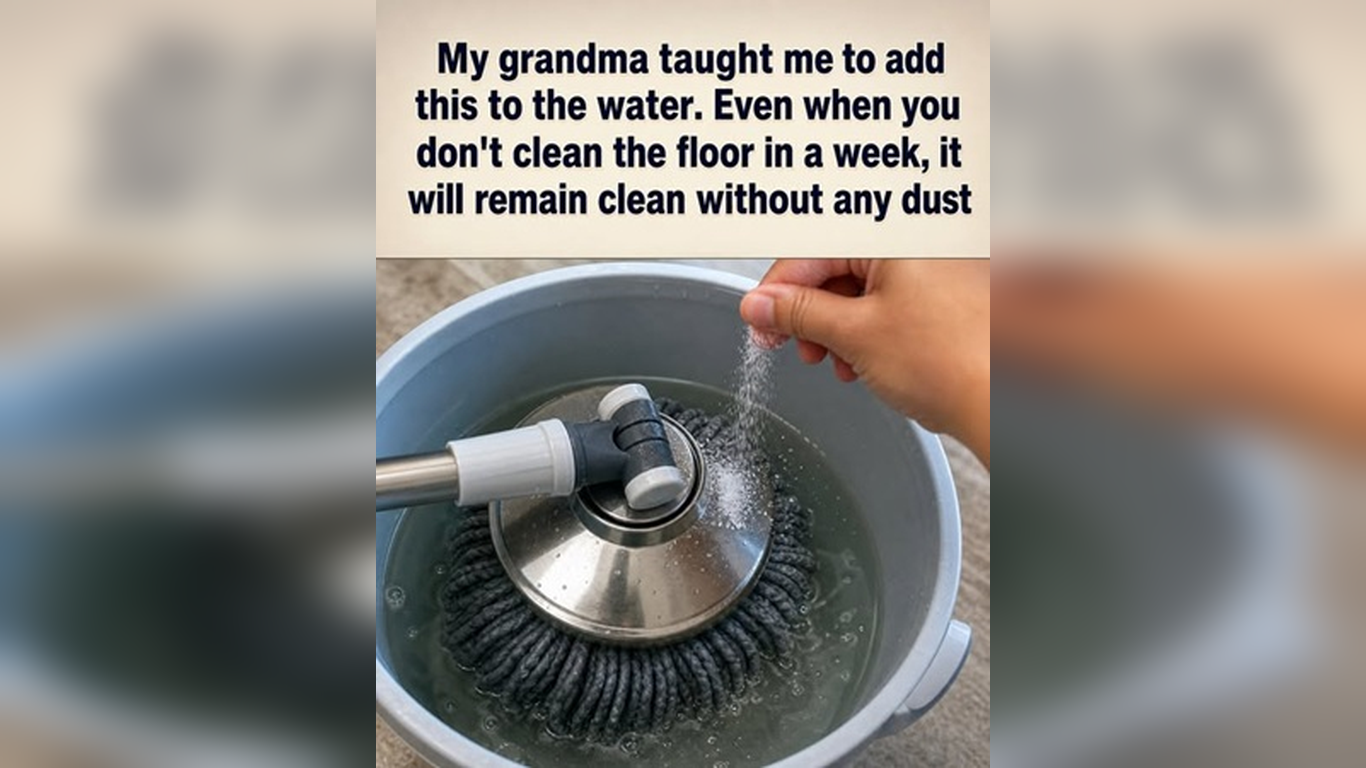
Many household cleaning routines involve combining small amounts of selected ingredients with warm water to create a simple mopping solution.
Dish soap is commonly added to tackle grease and sticky spots. Vinegar may be included to help freshen surfaces, while baking soda is often chosen for areas where odors tend to develop, such as kitchens and entryways.
Some people add a small amount of rubbing alcohol because it dries quickly and may help reduce water marks. Others use a touch of fabric softener to help minimize static buildup and leave a subtle fragrance behind.
The goal of these mixtures is generally to remove dirt, refresh the floor, and support regular maintenance. However, it is important to remember that different flooring materials can react differently to various ingredients.
Safe Steps for Using a Homemade Mop Solution
If you decide to use a simple homemade cleaning mixture, following a few basic steps can help ensure effective results.
Start by filling a bucket with warm water. Add small amounts of your chosen ingredients and stir thoroughly to create an even mixture.
Dip the mop into the solution and wring it out well. Excess water can leave streaks or potentially damage certain flooring materials, so a damp mop is usually more effective than a soaking wet one.
Work through the room section by section, applying the solution evenly. Once finished, allow the floor to air dry naturally. Opening windows or increasing airflow can help speed up drying and reduce the likelihood of water spots.
Advantages of Simple Cleaning Methods
Many homeowners appreciate these straightforward cleaning approaches because they are both economical and convenient.
Since most ingredients are already available in the kitchen or laundry room, there is often no need for additional shopping trips or costly specialty products. This makes it easier to maintain a regular cleaning routine without increasing household expenses.
Flexibility is another benefit. Cleaning mixtures can be adjusted according to individual preferences, the type of flooring being cleaned, and the level of dirt being addressed. Some people prefer stronger solutions for deep cleaning sessions, while others choose lighter mixtures for everyday upkeep.
Important Considerations for Different Floor Types
Not every cleaning method is suitable for every surface. Flooring materials vary widely, and what works well on one type may not be ideal for another.
Tile, vinyl, laminate, and sealed hardwood floors all have different care requirements. Certain ingredients, particularly acidic solutions, may not be recommended for specific surfaces if used too frequently or in excessive amounts.
Before applying any new cleaning mixture throughout an entire room, it is wise to test it in a small, hidden area first. This simple precaution can help identify any unexpected reactions and prevent potential damage.
Using ingredients in moderation and following manufacturer care recommendations can help preserve the appearance and lifespan of your floors.
Creating a Practical Cleaning Routine
Ultimately, keeping a home clean is less about finding a miracle solution and more about developing consistent habits.
No cleaning product can completely eliminate dust forever. However, regular sweeping, vacuuming, and mopping can dramatically reduce buildup and help maintain a fresher environment. Small adjustments, such as cleaning high-traffic areas more frequently or reducing dirt tracked indoors, can also make a noticeable difference.
A simple, repeatable routine often proves more effective than occasional deep-cleaning efforts. When cleaning becomes part of a regular schedule, maintaining a tidy home feels less overwhelming and more manageable.
Final Thoughts
A clean and welcoming home does not necessarily require expensive equipment or complicated cleaning systems. In many cases, consistency and a few practical habits are all that is needed to keep floors looking their best.
By preparing surfaces properly, using cleaning solutions thoughtfully, and choosing methods appropriate for your flooring type, you can make routine maintenance easier and more effective. While dust and dirt are unavoidable parts of daily life, a steady cleaning routine can help keep them under control.
Beyond appearance, a clean home contributes to a more comfortable, organized, and enjoyable living environment—something that benefits everyone who walks through the door.







