For most people, eating is one of life’s greatest pleasures. We rarely stop to think that something on our plate could pose a serious health risk. Yet around the world, several commonly eaten foods can become toxic—or even deadly—if they’re prepared incorrectly or consumed under the wrong circumstances.
Despite their dangers, many of these foods remain cultural staples or nutritional necessities. In most cases, proper preparation dramatically reduces the risk, allowing millions of people to enjoy them safely every day.
Here are 10 foods that have earned a reputation as some of the world’s most dangerous—and the reasons people continue to eat them.
1. Cassava
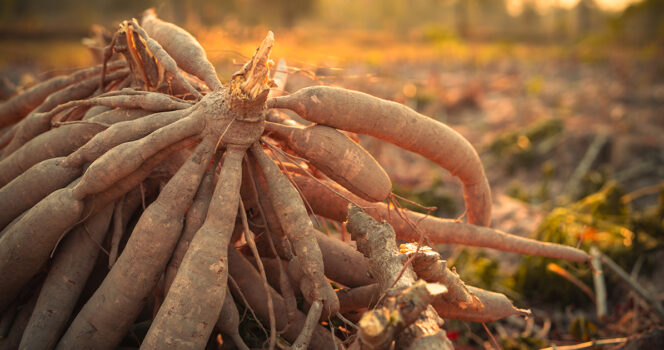
Cassava is one of the world’s most important food crops, feeding hundreds of millions of people across Africa, Asia, and South America. However, the plant naturally contains compounds called cyanogenic glycosides, which can release cyanide if the root or leaves are eaten raw or processed incorrectly.
Improper preparation has been linked to cyanide poisoning, which can cause paralysis, neurological damage, and, in severe cases, death.
According to the World Health Organization (WHO), cassava poisoning contributes to roughly 200 deaths each year.
Fortunately, traditional preparation methods—including soaking, fermenting, drying, and boiling—remove most of the toxins, making cassava safe to eat. For many communities, it remains an essential source of carbohydrates and food security.
2. Fugu (Pufferfish)
Few foods carry a reputation quite like fugu, the famous Japanese delicacy prepared from pufferfish.
Certain organs of the fish contain tetrodotoxin, an extremely powerful neurotoxin estimated to be hundreds of times more poisonous than cyanide. There is currently no antidote.
Symptoms may begin with numbness around the mouth before progressing to paralysis and respiratory failure, while victims often remain conscious throughout.
Because of these risks, only specially licensed chefs in Japan are legally allowed to prepare fugu after years of rigorous training. When prepared correctly, the dish is considered safe and remains a prized culinary experience.
3. Starfruit
Starfruit is popular for its refreshing flavor and high vitamin C content, but it can pose a serious threat to people with kidney disease.

The fruit contains compounds that healthy kidneys normally remove from the body. However, when kidney function is impaired, these toxins can accumulate and affect the nervous system.
Symptoms may include persistent hiccups, confusion, seizures, vomiting, and, in severe cases, death.
For individuals with healthy kidneys, starfruit is generally considered perfectly safe and offers valuable nutrients and antioxidants.
4. Apple Seeds and Cherry Pits
The juicy fruit itself is harmless, but the seeds and pits hide a potentially dangerous secret.
Apple seeds and cherry pits contain amygdalin, a naturally occurring compound that can release cyanide when crushed or chewed.
Accidentally swallowing an intact pit usually isn’t a problem because the hard shell passes through the digestive system. The greatest risk comes from chewing or grinding large numbers of seeds or pits.
In significant quantities, cyanide exposure can cause dizziness, breathing difficulties, nausea, and more serious poisoning.
5. Green Potatoes
If you’ve ever noticed green patches on a potato, it’s best not to ignore them.
Exposure to light causes potatoes to produce chlorophyll, which itself is harmless. However, the same conditions also increase levels of solanine, a naturally occurring toxin.
High amounts of solanine may lead to stomach pain, vomiting, headaches, confusion, and, in rare cases, paralysis or coma.
Peeling away green areas can reduce the risk, but heavily green or sprouting potatoes are generally best discarded.
6. Raw Cashews
Cashews sold in supermarkets may be labeled “raw,” but they’ve actually been heat-treated before reaching store shelves.
True raw cashews contain urushiol, the same irritating oil found in poison ivy and poison oak.
Direct contact with the toxin can trigger itchy rashes, skin irritation, and burning sensations.
Commercial processing removes the urushiol, making packaged cashews completely safe to eat.
Interestingly, mango skins also contain small amounts of the same compound, which can trigger reactions in sensitive individuals.
7. Nutmeg
Most people think of nutmeg as a holiday baking ingredient, but consuming large amounts can have serious consequences.
Nutmeg contains myristicin, a natural compound that affects the central nervous system.
Excessive consumption can cause hallucinations, rapid heartbeat, confusion, nausea, dizziness, seizures, and prolonged psychological symptoms lasting days—or even longer in rare cases.
Fortunately, the tiny amounts typically used in cooking are considered safe.
8. Wild Mushrooms
Foraging for mushrooms can be rewarding—but also incredibly dangerous.
Several poisonous species closely resemble edible varieties, making identification difficult even for experienced collectors.
Among the most notorious is the death cap mushroom, responsible for numerous fatal poisonings throughout history.
Some toxic mushrooms cause irreversible liver or kidney failure, and symptoms may not appear until significant damage has already occurred.

Unless you’re highly trained in mushroom identification, experts recommend sticking to mushrooms purchased from reputable grocery stores.
9. Rhubarb Leaves
Rhubarb stalks are widely used in pies, desserts, and jams, but the leaves tell a different story.
They contain oxalic acid, which can be toxic in large quantities.
Consuming enough oxalic acid may contribute to kidney damage and other health complications.
Fortunately, only the leaves are poisonous—the bright red stalks are perfectly safe once prepared properly.
10. Raw Kidney Beans
Kidney beans are packed with protein and fiber, but they should never be eaten raw or undercooked.
The beans naturally contain phytohaemagglutinin, a toxin capable of causing severe nausea, vomiting, stomach cramps, and diarrhea.
Surprisingly, cooking kidney beans at temperatures that are too low may actually increase the toxin’s activity rather than destroy it.
Boiling the beans vigorously for at least 10 minutes effectively eliminates the toxin, making them safe to enjoy in soups, chili, and other dishes.
Why People Continue Eating These Foods
Reading this list might make these foods sound terrifying, but context matters.
Most become dangerous only when prepared incorrectly, consumed in excessive amounts, or eaten by people with certain medical conditions.
For millions of people, foods like cassava and kidney beans are essential dietary staples that provide affordable nutrition.
Others, such as fugu, are deeply rooted in cultural traditions and are prepared under strict safety regulations.
The Bottom Line
Nature produces many foods that contain natural toxins, but human knowledge has developed safe preparation techniques over centuries.
Learning how these foods should be handled is the key to enjoying them safely.
Whether it’s carefully preparing cassava, boiling kidney beans properly, or leaving wild mushroom identification to the experts, awareness is the best protection.
The next time you sit down for a meal, remember that some of the world’s most dangerous foods are also among its most beloved—provided they’re prepared the right way.