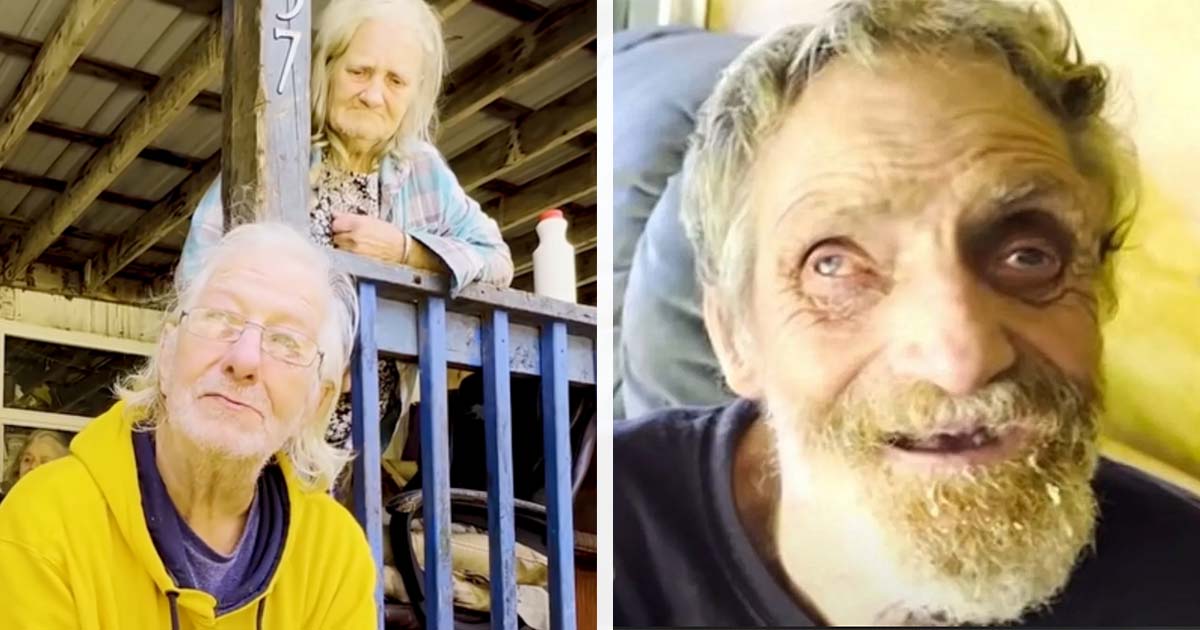
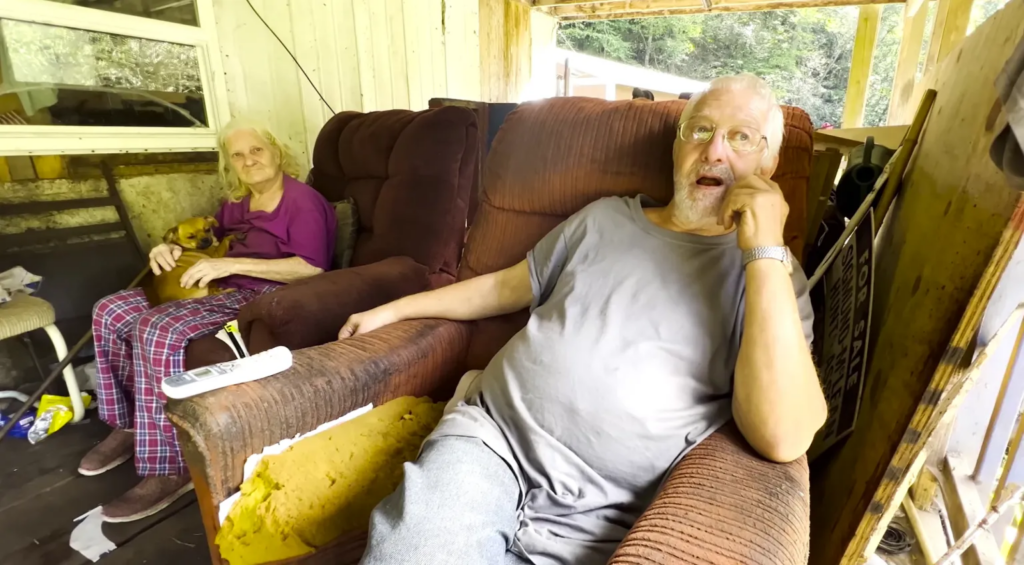
Photographer and filmmaker Mark Laita gained international attention after documenting the Whittaker family, a family living in rural West Virginia who became widely known through his viral YouTube series. The family, often described online as “America’s most inbred family,” drew enormous public interest due to their unusual family history and the difficult circumstances in which they lived.
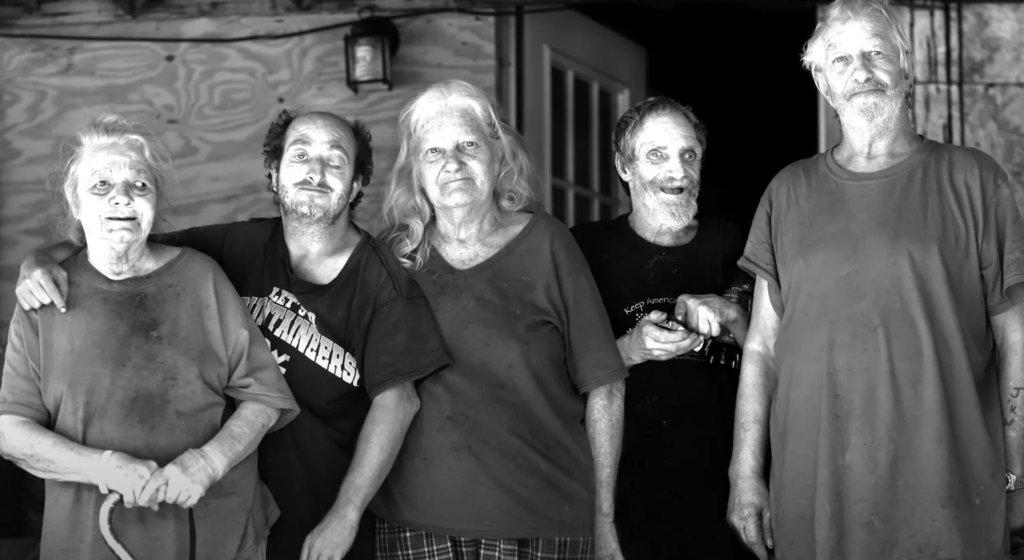
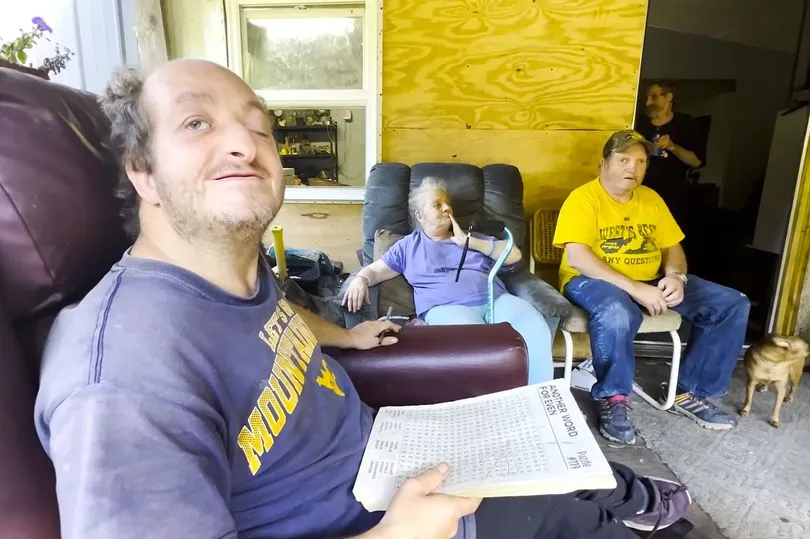
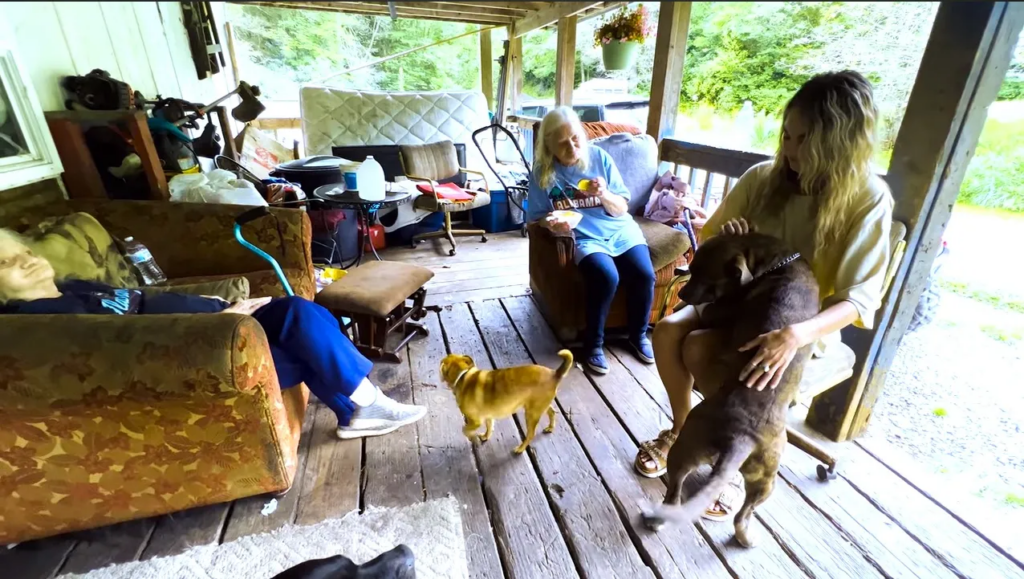
Laita first encountered the Whittakers in the early 2000s near the small community of Odd, West Virginia. His documentary introduced viewers to several family members, including siblings Ray, Betty, Larry, and Lorene, along with Lorene’s son, Timmy. The videos quickly attracted millions of views and sparked conversations about poverty, genetics, and life in isolated rural communities.
According to information shared in the documentary, the family’s ancestry included multiple marriages between close relatives over several generations. One particularly notable branch of the family tree involved two identical twin brothers who married within the extended family, leading to generations of descendants with significant physical and cognitive challenges.
During interviews, some family members appeared unaware of the potential genetic consequences associated with close-relative marriages. When asked about certain physical traits, they often offered alternative explanations. In one memorable exchange, a family member suggested that local coal-mining conditions could be responsible for some of the health issues observed within the family.
Building trust with the Whittakers was not easy. Laita has spoken openly about his early visits, explaining that family members were initially suspicious of outsiders. On one occasion, a relative reportedly confronted him with a firearm, making it clear that visitors were not always welcome. Over time, however, he developed a close relationship with the family and became one of their most consistent supporters.
Years after the documentary gained widespread attention, Laita shared heartbreaking news with his audience. In March 2024, he announced that family member Larry Whittaker had reportedly died, believing the cause may have been a heart attack. He spoke warmly about Larry, describing him as kind, respectful, and an important figure within the household.
Wanting to help during what he believed was a difficult time, Laita contributed $1,000 toward funeral expenses. However, the story took an unexpected turn shortly afterward.
To his surprise, Laita later discovered that Larry was still alive. The revelation came through a YouTube video showing Larry sitting outside the family’s home in West Virginia. The filmmaker said he was shocked to learn that the information he had received was false and felt betrayed after believing the family’s claims.
The money intended for funeral costs had reportedly been given to Larry’s daughter, BJ. After the truth emerged, she publicly apologized to Laita and admitted that her struggles with drug addiction had influenced her actions. According to her statement, she had been battling substance abuse and made poor decisions while dealing with addiction.
Despite the deception, Laita chose not to completely abandon the family. Over the years, he has continued to provide support and raise awareness about their situation. Through fundraising efforts, including online campaigns that attracted donations from viewers around the world, thousands of dollars have been collected to help improve the Whittakers’ living conditions.
The unusual relationship between Laita and the Whittaker family has remained a source of fascination for many viewers. While the discovery of the false death claim created controversy and disappointment, it also highlighted the complex realities of poverty, addiction, trust, and family dynamics.
Today, the Whittakers remain one of the most discussed families featured on social media documentaries. Their story continues to draw attention from audiences interested in human-interest stories, while Laita’s work serves as a reminder of both the challenges and responsibilities that can come with documenting real people’s lives.







