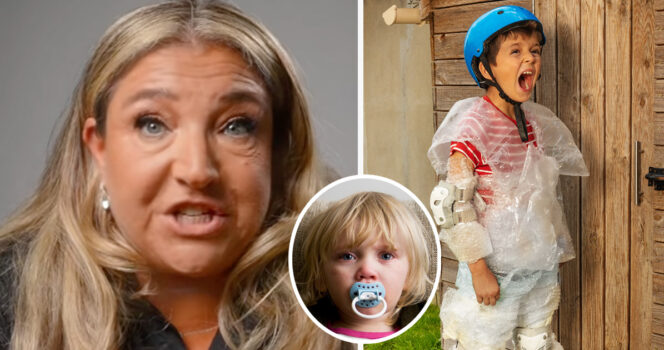
Television parenting expert Jo Frost is once again sparking conversation with her candid views on modern parenting.
In a recent video shared on social media, the longtime Supernanny star expressed concern that many children are not being given enough opportunities to develop basic independence, warning that some well-intentioned parenting habits may be doing more harm than good.
Her message was direct and unapologetic.
“I’m about to say something that may make some people uncomfortable,” Frost began before sharing what she sees as a growing problem in families today.
According to Frost, many parents are unintentionally limiting their children’s development by stepping in too often and doing tasks that children are capable of learning for themselves.
“We Are Slowly Disabling Our Children”
Drawing on decades of experience working with families, Frost said she has noticed a troubling pattern among children who are reaching certain ages without mastering everyday skills.
One example she highlighted was the prolonged use of strollers.
According to Frost, many children who are physically capable of walking, climbing, and building strength are still being pushed around rather than encouraged to develop those abilities independently.
She also pointed to extended pacifier use, noting that she has encountered children well beyond toddler age who continue to rely on them despite being developmentally ready to move on.
Missing Everyday Skills
Frost’s concerns extend beyond mobility and comfort habits.
She shared several examples of basic life skills that she believes many children are not being taught early enough.
These included children who struggle with proper dental hygiene, elementary-age kids who are unable to use basic table utensils confidently, and older children who have not yet learned essential personal hygiene habits.
While the examples may vary from family to family, Frost believes they point to a broader issue: children are often not being given enough opportunities to practice responsibility and self-care.
It’s Not About Bad Parenting
Importantly, Frost made it clear that she does not believe parents are intentionally neglecting these lessons.
Instead, she attributes much of the problem to the demands of modern life.
Busy schedules, work commitments, household responsibilities, and constant time pressures can make it tempting for adults to complete tasks themselves rather than teach children how to do them.
However, Frost argues that convenience often comes at a cost.
According to her, every time parents step in because teaching a skill takes longer or creates a mess, they may be unintentionally taking away a valuable learning opportunity.
Independence Must Be Taught
One of Frost’s central messages is that confidence and independence do not simply appear as children get older.
They develop through repetition, guidance, and consistent expectations.
Whether it’s learning to brush teeth properly, ride a bicycle, use utensils, tidy a room, or practice good hygiene, children need patient instruction and regular opportunities to build those skills themselves.
Frost emphasized that parents do not need perfection. What matters most is consistency.
By encouraging children to take on age-appropriate responsibilities, parents help them develop confidence, resilience, and a stronger sense of capability.
The Debate Over Modern Parenting
Frost’s comments quickly generated discussion online, with many parents, teachers, and caregivers sharing their own observations.
Some agreed that excessive screen time may contribute to the issue, arguing that technology often distracts both children and adults from meaningful interaction and skill-building activities.
Others echoed Frost’s belief that children are frequently capable of far more than adults expect.
Many commenters suggested that underestimating children can limit their growth just as much as overprotecting them.
At the same time, some parents pointed out that today’s families face unique challenges, including demanding work schedules, rising costs of living, and limited support systems, making parenting more complicated than ever.
A Call for Balance
Ultimately, Frost’s message is not about criticizing parents but encouraging them to be more intentional about preparing children for adulthood.
Her argument is that everyday tasks—whether learning proper manners, personal hygiene, household responsibilities, or basic self-care—are building blocks that help children become independent and confident individuals.
As she sees it, children naturally want to learn and grow. The key is giving them the opportunity to do so.
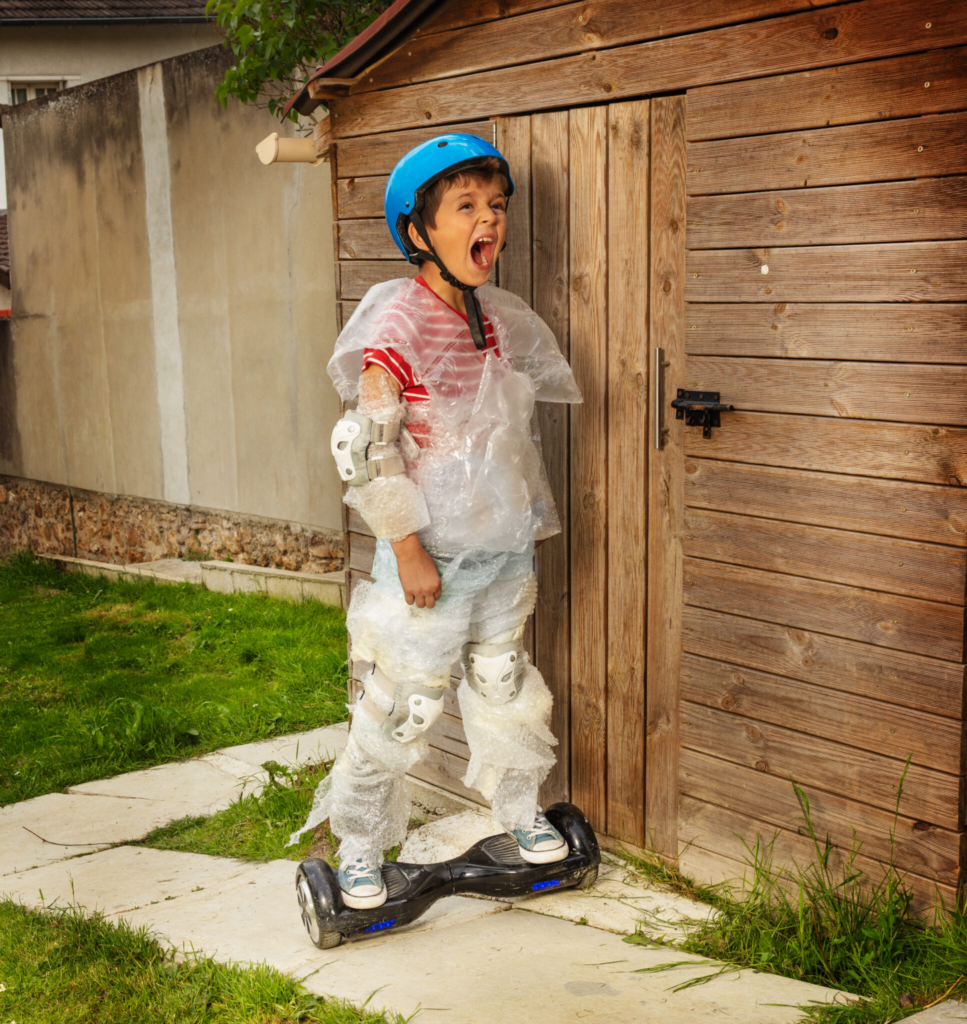
By stepping back when appropriate and allowing children to develop skills through practice, mistakes, and repetition, parents can help equip them for a more capable future.
Whether people agree with all of Frost’s observations or not, her comments have reignited an important conversation about what independence looks like in modern childhood—and how families can best nurture it.







