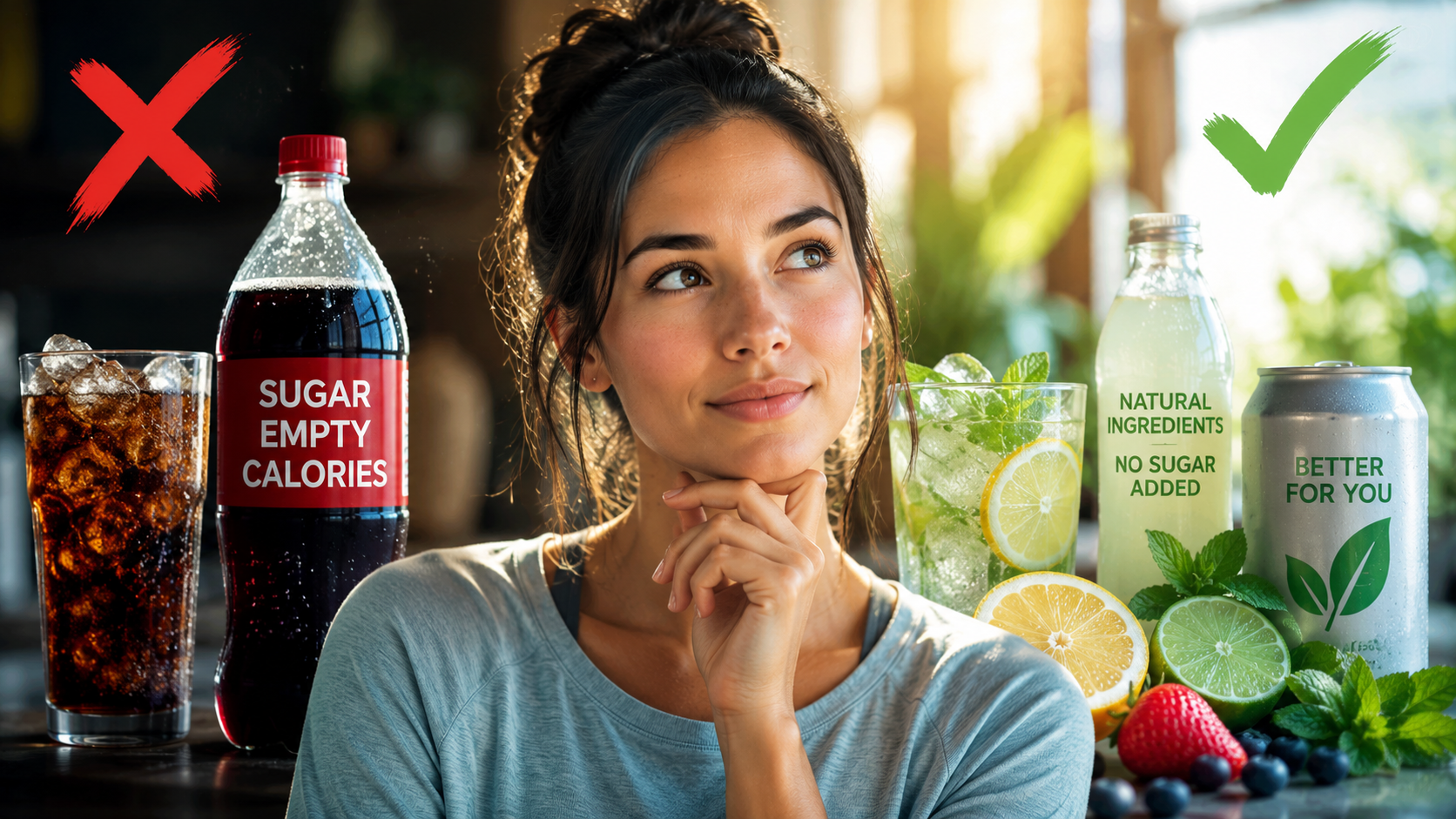
For decades, soda has been one of the world’s most popular beverages. From family gatherings and sporting events to restaurant meals and convenience store purchases, carbonated soft drinks have long been a staple of everyday life. However, consumer preferences are changing. Across many countries, more people are reducing their soda consumption and exploring healthier beverage options.
This shift is not happening by accident. Growing awareness of nutrition, wellness trends, and long-term health concerns is influencing how people think about what they drink. At the same time, beverage companies are responding by introducing sparkling waters, naturally flavored drinks, low-sugar beverages, kombucha, functional drinks, and other alternatives designed to appeal to health-conscious consumers.
While traditional sodas still maintain a significant market presence, the demand for healthier choices continues to grow. Here are ten key reasons why consumers are increasingly seeking alternatives to conventional soft drinks.
1. Greater Awareness of Added Sugar
One of the biggest factors driving change is increased awareness of how much sugar many sodas contain.
Consumers today have easier access to nutritional information than ever before. As a result, many people are paying closer attention to ingredient labels and daily sugar intake. Learning that a single serving of soda can contain a substantial amount of added sugar has encouraged some individuals to reconsider their beverage choices.
Reducing added sugar has become a common goal for people seeking to support overall wellness, and replacing sugary drinks is often viewed as a practical first step.
2. Interest in Healthier Lifestyle Choices
Modern consumers are becoming more proactive about their health.
Many people are focusing on balanced diets, regular exercise, better sleep habits, and overall wellness. Within this broader lifestyle shift, beverage choices have come under increased scrutiny.
Consumers who prioritize nutrition often look for drinks that align with their health goals. This has contributed to growing interest in alternatives that contain fewer calories, less sugar, or ingredients perceived as more natural.
For many, choosing a different beverage is part of a larger commitment to healthier daily habits.
3. Demand for Natural Ingredients
Ingredient transparency has become increasingly important.
Many shoppers want to understand exactly what is in the products they consume. As a result, beverages featuring simpler ingredient lists and recognizable components often attract attention.
Consumers are frequently drawn to drinks made with natural flavors, fruit extracts, botanical ingredients, or minimally processed formulations. This preference has helped fuel the popularity of many soda alternatives marketed around simplicity and transparency.
People are becoming more selective about what they put into their bodies, and ingredient awareness plays a significant role in purchasing decisions.
4. Interest in Reduced-Calorie Options
Calorie-conscious consumers are increasingly evaluating beverages as part of their overall nutritional intake.
While food choices often receive the most attention, drinks can also contribute significantly to daily calorie consumption. Some individuals choose soda alternatives because they offer fewer calories while still providing flavor and refreshment.
Sparkling water, flavored seltzers, and lightly sweetened beverages have become popular among consumers seeking satisfying options without the higher calorie content associated with many traditional soft drinks.
This trend reflects a broader focus on mindful consumption rather than strict restriction.
5. Growing Popularity of Functional Beverages
Today’s consumers often want beverages that offer more than simple refreshment.
The rise of functional drinks has introduced products containing ingredients associated with hydration, probiotics, vitamins, antioxidants, electrolytes, and other wellness-focused benefits.
While consumers should evaluate health claims carefully, the appeal of beverages designed to support specific lifestyle goals has become increasingly evident.
Many people are choosing drinks that they perceive as providing additional value beyond taste alone.
6. Increased Focus on Hydration
Hydration has become a major wellness topic in recent years.
As people pay more attention to maintaining adequate fluid intake, many are searching for beverages that contribute to hydration while fitting their nutritional preferences. Some consumers find that replacing sugary sodas with sparkling water or other lower-sugar alternatives helps them stay hydrated without consuming excessive sweeteners.
The emphasis on hydration has encouraged many individuals to rethink long-standing beverage habits.
7. Changing Consumer Preferences Toward Flavor
Healthier beverage options are no longer limited to plain water.
Manufacturers have developed a wide range of flavored sparkling waters, botanical drinks, fruit-infused beverages, and low-sugar alternatives that offer diverse taste experiences. These products appeal to consumers who want variety without relying on traditional soft drinks.
As flavor innovation continues to expand, many people find it easier to reduce soda consumption because attractive alternatives are readily available.
Taste remains important, but consumers increasingly expect flavor and wellness to coexist.
8. Interest in Gut Health and Digestive Wellness
Growing discussions around digestive health have influenced beverage choices for many consumers.
Products such as kombucha and certain probiotic beverages have gained attention because they are often associated with gut-health trends. While scientific evidence varies depending on the product and specific claims, consumer interest in digestive wellness continues to grow.
As people become more aware of the relationship between diet and overall well-being, beverages linked to digestive support have become increasingly popular.
This trend has helped diversify the market beyond traditional soft drinks.
9. Younger Consumers Are Driving Change
Younger generations are playing a significant role in shaping beverage trends.
Many younger consumers place strong emphasis on wellness, sustainability, ingredient transparency, and mindful consumption. They are often more willing to experiment with emerging beverage categories and explore alternatives to conventional products.
As these consumers gain purchasing power, their preferences influence product development and market direction.
Companies that adapt to evolving expectations are increasingly finding success among health-conscious audiences.
10. Consumers Want More Control Over Their Choices
Perhaps the most important reason behind the shift is a growing desire for informed decision-making.
Today’s consumers have access to extensive information about nutrition, ingredients, and wellness. This access empowers individuals to evaluate products based on personal goals, preferences, and values.
Rather than automatically choosing traditional beverages out of habit, many people are actively considering how different options fit into their lifestyles.
This trend reflects a broader movement toward intentional consumption and greater personal responsibility for health-related decisions.
The Expanding Market for Soda Alternatives
The beverage industry has responded quickly to changing consumer demands.
Supermarket shelves now feature a wide variety of products designed to appeal to health-conscious shoppers. Sparkling waters, flavored seltzers, kombucha, low-sugar sodas, functional drinks, coconut water, botanical beverages, and naturally flavored options continue to gain visibility.
This increased competition benefits consumers by providing more choices than ever before.
As innovation continues, beverage companies are likely to develop additional products that balance flavor, convenience, and wellness-focused features.
What Consumers Should Keep in Mind
While healthier alternatives can offer benefits, it is still important to evaluate products carefully.
Marketing terms such as “natural,” “healthy,” or “functional” do not automatically guarantee nutritional value. Reading ingredient labels, checking sugar content, and understanding serving sizes remain important steps when making beverage choices.
Healthier options can vary significantly in their nutritional profiles, making informed decisions essential.
Consumers who take the time to compare products are better positioned to find beverages that align with their individual needs and goals.
Final Thoughts
The growing demand for healthier soda alternatives reflects a broader shift in how people think about nutrition and wellness. Increased awareness of sugar consumption, interest in natural ingredients, focus on hydration, and demand for functional beverages are all contributing to changing consumer behavior.
While traditional sodas remain popular, many individuals are choosing alternatives that better support their personal health goals and lifestyle preferences. The expanding variety of options available today makes that transition easier than ever.
Ultimately, the trend is not simply about replacing one beverage with another. It represents a larger movement toward informed choices, greater nutritional awareness, and a more thoughtful approach to everyday consumption.
As consumer priorities continue to evolve, healthier beverage alternatives are likely to remain an important part of the future of the beverage industry.