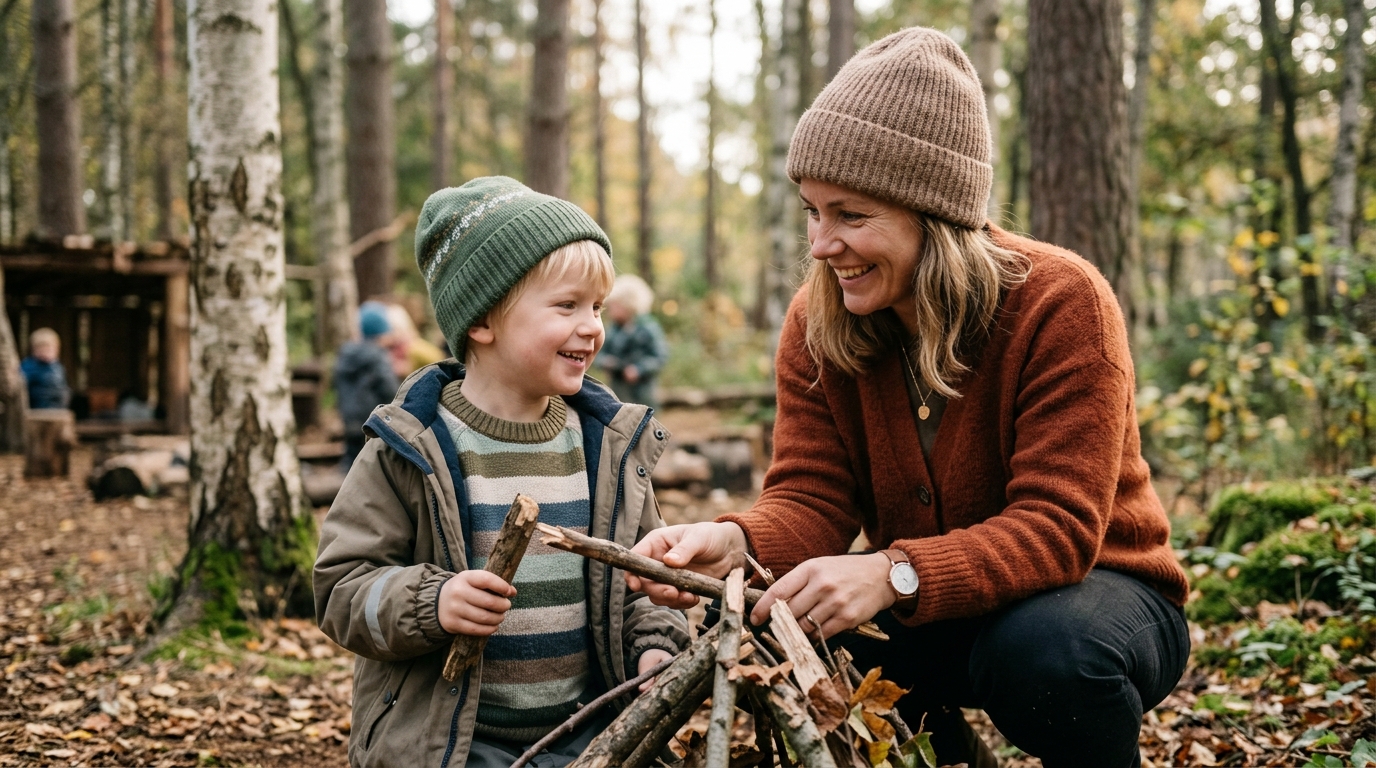
When people think about education, subjects like mathematics, science, and language arts usually come to mind. However, some countries place equal importance on teaching children how to understand emotions, resolve conflicts, and build healthy relationships. Denmark is often highlighted for its emphasis on empathy, cooperation, and social well-being in childhood development.
For decades, Danish schools and families have embraced approaches that encourage emotional intelligence and kindness alongside academic achievement. These practices have attracted global attention because they suggest that compassion and social skills can be nurtured just like reading or mathematics.
Here are ten things most people don’t realize about Denmark’s approach to raising kinder kids.
1. Kindness Is Treated as a Skill That Can Be Learned
Many people think children are either naturally kind or they are not.
Denmark takes a different view. Danish educators generally treat empathy, cooperation, and emotional understanding as skills that can be developed through guidance and practice. Just as children learn to solve math problems, they can also learn to understand other people’s feelings and perspectives.
This mindset encourages schools and families to actively nurture social and emotional growth.
2. Emotional Education Receives Serious Attention
Academic achievement remains important in Denmark, but emotional development is also valued.
Many schools incorporate activities that encourage communication, teamwork, and reflection on emotions. Students are often encouraged to discuss challenges, listen to others, and work together to solve problems.
The goal is not only to create successful students but also socially aware and emotionally resilient individuals.
3. Cooperation Is Often Emphasized Over Competition
Competition can motivate achievement, but Denmark frequently places significant emphasis on collaboration.
Group activities and cooperative learning experiences encourage children to share ideas, support classmates, and appreciate different viewpoints. Working together helps children recognize that success often involves collective effort rather than individual accomplishment alone.
These experiences can strengthen both empathy and social relationships.
4. Conflict Resolution Is Viewed as an Important Life Skill
Disagreements are a natural part of childhood.
Rather than simply punishing conflicts, Danish approaches often encourage children to understand the perspectives of others and participate in constructive problem-solving. Learning how to manage disagreements respectfully can help children develop communication and emotional regulation skills that benefit them throughout life.
Conflict becomes an opportunity for learning rather than merely a problem to eliminate.
5. Children Are Encouraged to Understand Feelings
Recognizing and expressing emotions are important aspects of emotional intelligence.
Danish educational practices often encourage children to identify their own feelings and consider how others may feel in various situations. Developing emotional awareness helps children build empathy and improve interpersonal relationships.
Understanding emotions is viewed as a foundation for kindness.
6. Strong Social Connections Are Highly Valued
Relationships play an important role in child development.
Danish schools frequently emphasize creating supportive classroom communities where students feel included and respected. Positive social environments can encourage cooperation, trust, and a sense of belonging.
Children who feel connected to others may be more likely to extend empathy and kindness in return.
7. Parents Play a Significant Role
The Danish approach to raising kind and emotionally aware children extends beyond the classroom.
Families often participate in reinforcing values such as communication, respect, and empathy at home. Children learn social behaviors not only through formal instruction but also by observing how adults interact with one another.
Consistency between home and school environments can strengthen social and emotional learning.
8. Well-Being Is Considered an Important Educational Goal
Education is often measured primarily by academic outcomes.
Denmark’s approach suggests that emotional well-being and social competence are also valuable indicators of success. Helping children feel safe, understood, and supported can contribute positively to both learning and personal development.
The emphasis on well-being reflects a broader view of what education can achieve.
9. Kindness and Empathy Can Produce Long-Term Benefits
Social and emotional skills influence many aspects of life.
Research has shown that empathy, cooperation, and emotional regulation can contribute to healthier relationships, improved communication, and better teamwork. By encouraging these abilities from an early age, educational systems may help prepare children for challenges they will encounter throughout adulthood.
Kindness is not simply a moral ideal—it is also a practical life skill.
10. The Approach Reminds Us That Education Is About More Than Academics
Perhaps the most important lesson from Denmark’s approach is its broader understanding of education.
Schools do more than teach facts and formulas. They also help shape how young people interact with others, respond to challenges, and participate in society. By giving attention to empathy, cooperation, and emotional development, Denmark highlights the idea that raising kind, compassionate individuals is just as important as cultivating academic achievement.
In many ways, the approach suggests that some of life’s most valuable lessons involve learning how to understand, respect, and care for other people.
Final Thoughts
Denmark’s approach to raising kinder kids has drawn international attention because it recognizes that empathy and emotional intelligence deserve the same thoughtful attention as traditional academic subjects. By encouraging cooperation, communication, emotional awareness, and healthy relationships, Danish educators and families aim to help children develop into compassionate and socially responsible adults.
Perhaps the greatest lesson from this approach is that kindness is not merely an innate personality trait. It can be encouraged, practiced, and strengthened over time. By intentionally teaching children how to understand and care for others, societies may help build future generations that are not only knowledgeable but also more empathetic, resilient, and connected to the people around them.







