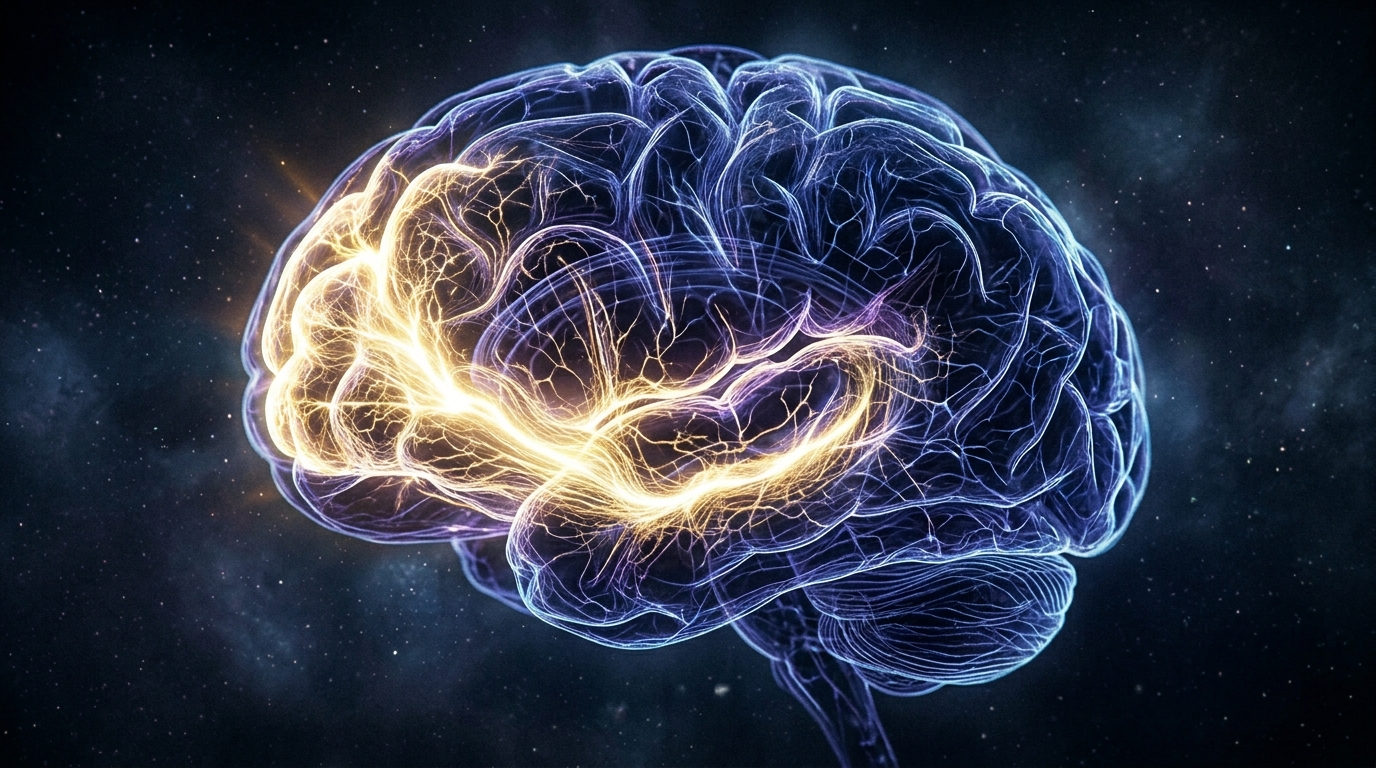
Death is one of the most universal yet least understood aspects of human existence. While medicine has made enormous advances in understanding how the body functions, scientists are still working to uncover exactly what happens in the brain during the final moments of life. Recent advances in neuroscience, brain monitoring technology, and critical care medicine have provided fascinating insights into the brain’s activity as life comes to an end.
Although many questions remain unanswered, research suggests that the dying brain may undergo a series of complex biological and neurological changes in the moments, minutes, and sometimes hours before death. These findings are helping scientists better understand consciousness, perception, and the brain’s final responses to extreme physiological stress.
Here are 12 things most people don’t know about what happens in the brain before death.
1. The Brain Can Remain Active for a Short Time After the Heart Stops
Many people assume that brain activity ceases immediately when the heart stops beating. In reality, the process is often more gradual.
When blood flow ends, the brain loses its supply of oxygen and nutrients. However, measurable electrical activity may persist briefly before brain cells begin to shut down. Researchers continue studying exactly how long certain forms of activity can remain detectable under different circumstances.
This period provides important insights into the biological transition between life and death.
2. A Surge of Brain Activity May Occur Near Death
Some studies involving both humans and animals have observed brief increases in certain types of brain activity during the dying process.
Researchers have reported bursts of synchronized neural activity that, in some cases, resemble patterns associated with conscious awareness, attention, or memory processing. Scientists are still investigating the significance of these observations and what they may reveal about the brain’s final functioning.
The findings have sparked considerable interest in neuroscience and consciousness research.
3. Oxygen Deprivation Triggers Major Neurological Changes
The brain depends heavily on a continuous supply of oxygen. When oxygen levels drop significantly, a cascade of physiological changes begins.
Neurons struggle to maintain normal communication, electrical signaling becomes disrupted, and metabolic processes start to fail. These changes can affect perception, awareness, and sensory experiences during the final stages of life.
Understanding these mechanisms helps researchers study how the brain responds under extreme conditions.
4. Brain Cells Do Not All Shut Down at the Same Time
The brain is made up of billions of interconnected cells, and they do not cease functioning simultaneously.
Different regions and cell types may respond differently to declining oxygen and blood flow. Some areas may lose function relatively quickly, while others can remain active slightly longer.
This staggered shutdown process contributes to the complexity of studying the dying brain.
5. Sensory Processing May Persist Longer Than Expected
Research suggests that certain sensory pathways may remain functional for a brief period even as other systems begin to fail.
For example, some studies have indicated that hearing may be among the last senses to be affected. This possibility has influenced end-of-life care practices, with many healthcare providers encouraging loved ones to continue speaking to patients even when responsiveness appears absent.
Scientists continue investigating how sensory processing changes during the final stages of life.
6. The Brain Releases Various Chemical Signals
As the body undergoes extreme physiological stress, numerous chemical processes occur within the brain.
Neurotransmitters and other signaling molecules may be released in changing amounts as normal brain function becomes disrupted. Researchers believe these chemical shifts could influence perception, awareness, and subjective experiences during the dying process.
The precise role of these biochemical changes remains an active area of study.
7. Near-Death Experiences Continue to Fascinate Researchers
Some individuals who survive life-threatening medical emergencies report vivid experiences during periods when they were close to death.
Common descriptions include feelings of peace, altered perceptions of time, vivid memories, sensations of leaving the body, or moving through bright environments. Scientists have proposed various neurological, psychological, and physiological explanations for these reports.
While research has identified several possible contributing factors, no single explanation fully accounts for all reported experiences.
8. Brain Networks May Become Temporarily Disorganized
Normal consciousness depends on coordinated communication among different brain regions.
As oxygen levels decline and cellular function becomes impaired, these networks can become disrupted. Scientists believe this loss of coordination may contribute to altered awareness, confusion, unusual perceptions, or changes in consciousness during the dying process.
Studying these disruptions may help researchers better understand the neural foundations of conscious experience.
9. Memory-Related Activity May Occur Near the End of Life
Some researchers have speculated that certain patterns of neural activity observed near death could be related to memory processing.
Although the evidence remains limited, reports from some near-death survivors and findings from brain monitoring studies have prompted scientists to investigate whether memory networks may become active during extreme physiological stress.
Further research is needed to clarify these observations and their significance.
10. Scientists Are Learning More Through Advanced Monitoring Technologies
Modern neuroscience tools have greatly improved researchers’ ability to study the brain during critical medical situations.
Electroencephalography (EEG), advanced imaging technologies, and intensive care monitoring systems provide valuable data about neural activity during severe illness and end-of-life conditions.
These technologies are helping scientists gather information that would have been impossible to obtain just a few decades ago.
11. Defining the Exact Moment of Death Is More Complex Than Many Realize
In everyday conversation, death is often viewed as a single moment. Biologically, however, it is typically a process rather than an instantaneous event.
Various organs and cellular systems cease functioning at different rates. Medical definitions of death often focus on irreversible loss of brain function or the permanent cessation of circulation and respiration, depending on the context.
This complexity continues to influence both medical practice and scientific research.
12. Many Mysteries About the Dying Brain Remain Unsolved
Despite significant advances in neuroscience, researchers still do not fully understand all the processes that occur in the brain during the final stages of life.
Questions about consciousness, awareness, perception, and subjective experience near death remain among the most challenging topics in modern science. New technologies and ongoing studies continue to provide valuable clues, but many aspects of the dying brain remain unexplained.
For scientists, this area of research represents one of the final frontiers of neuroscience.
Why Researchers Study the Dying Brain
Understanding what happens in the brain before death is not merely a scientific curiosity. This research has important implications for critical care medicine, end-of-life care, organ donation practices, neurological disorders, and the study of consciousness itself.
By learning how the brain responds during its final stages, researchers hope to improve patient care, better understand awareness, and gain deeper insights into the biological foundations of human experience.
The findings may also help guide conversations about death and dying with greater scientific understanding and compassion.
Conclusion
The brain’s final moments are far more complex than many people realize. Rather than shutting down instantly, the dying brain appears to undergo a series of intricate biological and neurological changes involving electrical activity, chemical signaling, sensory processing, and network communication.
While researchers have uncovered fascinating clues about these processes, many questions remain unanswered. Advances in neuroscience are gradually revealing how the brain responds during the transition from life to death, offering new perspectives on consciousness and one of humanity’s oldest mysteries.
As scientific understanding continues to grow, future discoveries may provide even deeper insights into what happens inside the human brain during its final chapter.







