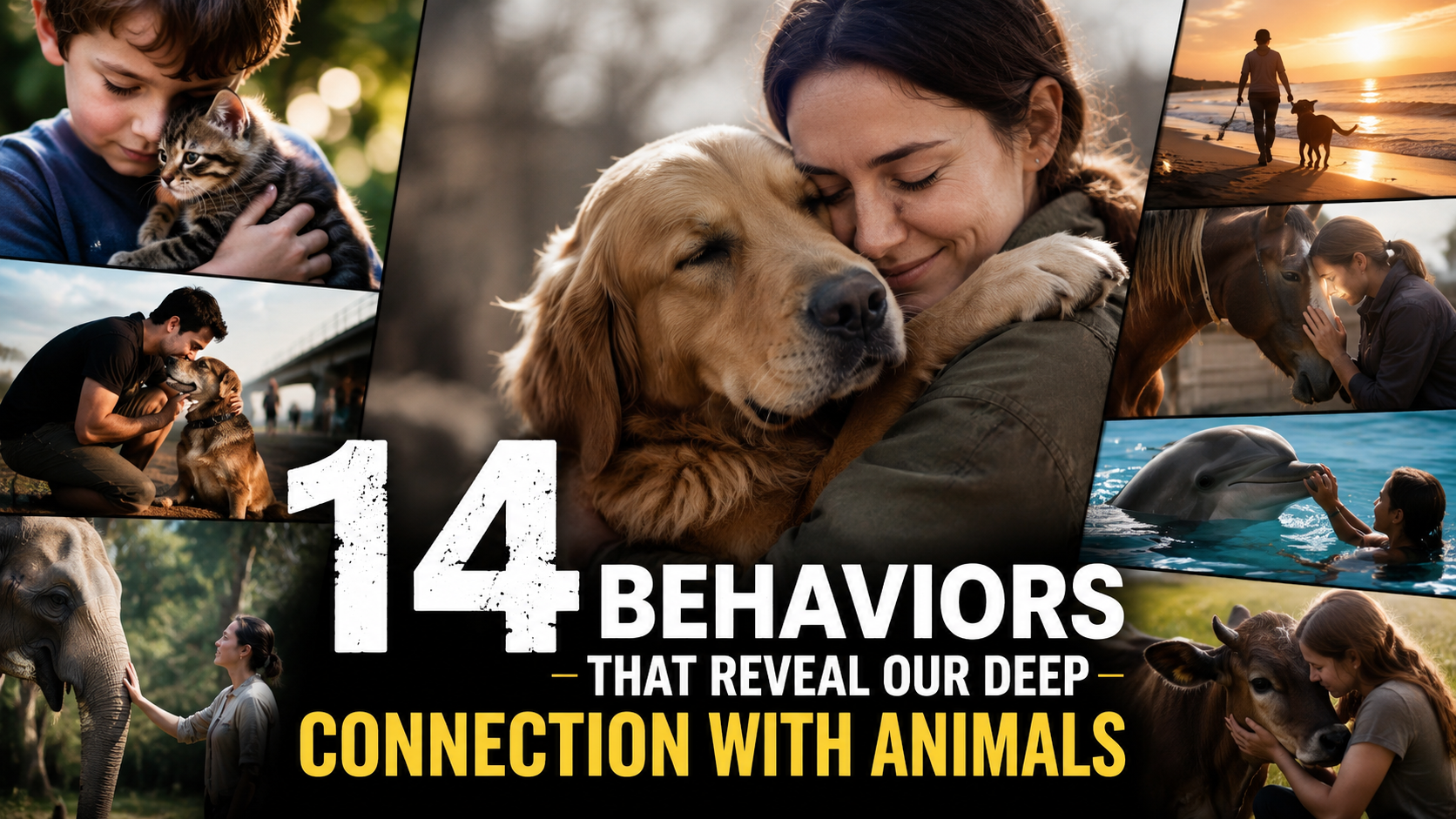
Animals have been part of human life for thousands of years. Long before modern cities, technology, and social media existed, people relied on animals for companionship, protection, transportation, and survival. Over time, that practical relationship evolved into something much deeper. Today, many people consider animals part of their families, celebrate their achievements, and even grieve their losses.
What makes this bond so remarkable is that it extends far beyond pet ownership. Whether it’s stopping to watch birds in a park, rescuing injured wildlife, or feeling emotional over a viral animal story, humans consistently show signs of a powerful connection with the animal world.
Scientists continue to study why people form such strong attachments to animals, but one thing is clear: this relationship influences our emotions, behaviors, and even our well-being in profound ways.
Here are 14 fascinating behaviors that reveal just how deeply connected we are to animals.
1. We Give Animals Human-Like Personalities
One of the most common ways people connect with animals is by assigning them human characteristics.
Dog owners often describe their pets as stubborn, cheerful, jealous, or protective. Cat owners may refer to their cats as independent, dramatic, or affectionate. Even people who have never owned a pet often describe wildlife using human emotions and motivations.
While animals experience the world differently than humans, this tendency reflects our desire to understand them on a personal level. By interpreting animal behavior through familiar emotional language, we create stronger bonds and feel closer to them.
This behavior shows that animals are more than creatures we observe—they become individuals we relate to.
2. We Feel Genuine Empathy for Their Suffering
When an animal is injured, abandoned, or in distress, many people experience a strong emotional response.
Stories about rescued animals often generate millions of views and shares online because they trigger feelings of compassion and concern. Many individuals feel compelled to help animals even when there is no direct benefit to themselves.
This empathy reveals an important aspect of human nature. We naturally recognize vulnerability and respond with care, regardless of whether the individual in need belongs to our species.
The emotional discomfort we feel when animals suffer demonstrates the depth of our connection with them.
3. We Celebrate Their Successes
People don’t just care when animals struggle—they also celebrate when they thrive.
Whether it’s a rescue dog finding a forever home, a rehabilitated eagle returning to the wild, or a zoo animal welcoming a new baby, these stories often attract widespread attention and enthusiasm.
Why?
Because many people feel emotionally invested in animal outcomes. We enjoy seeing them succeed, recover, and flourish.
This reaction mirrors the support we often show friends, family members, and communities. It reflects a level of emotional involvement that goes beyond simple observation.
4. We Create Lasting Bonds With Pets
For millions of households around the world, pets are not simply animals living under the same roof. They are beloved companions and valued family members.
Many pet owners organize daily routines around their animals, celebrate birthdays, purchase gifts, and prioritize their well-being.
Research has shown that interactions with pets can reduce stress, improve mood, and increase feelings of companionship. In return, pets often provide loyalty, affection, and emotional support.
These long-term relationships demonstrate one of the strongest examples of the human-animal bond.
5. We Talk to Animals as If They Understand Us
Most pet owners have done it.
They explain their day to their dog, ask their cat questions, or speak to birds, horses, and other animals as though a conversation is taking place.
While people understand that animals may not comprehend every word, the behavior reflects a natural desire for connection and communication.
Interestingly, many animals respond to tone, facial expressions, and body language, making these interactions feel meaningful.
Talking to animals helps reinforce emotional bonds and highlights our instinct to include them in our social world.
6. We Are Drawn to Animal Stories
Animal stories consistently rank among the most shared and widely viewed content online.
Whether the story is funny, inspiring, heartwarming, or surprising, people are naturally attracted to narratives involving animals.
These stories often resonate because they combine emotion, curiosity, and relatability. Animals can evoke feelings of joy, hope, compassion, and wonder in ways that few other subjects can.
The popularity of animal-related content reveals how strongly animals continue to capture our attention and imagination.
7. We Rescue and Rehabilitate Wildlife
Across the world, countless volunteers dedicate their time to helping injured and orphaned wildlife.
Wildlife rehabilitation centers care for animals affected by accidents, habitat loss, storms, and environmental threats. Volunteers often spend months helping animals recover before releasing them back into nature.
These efforts require patience, resources, and dedication.
The willingness to help wild animals—many of which will never become pets or companions—demonstrates a broader sense of responsibility toward other living creatures.
8. We Grieve When Animals Die
The loss of a beloved animal can be deeply painful.
For many people, the death of a pet brings genuine grief similar to the loss of a close friend or family member. People create memorials, keep photographs, and cherish memories of their animals for years.
This emotional response highlights the significance of the relationships we build with animals.
Grief exists because the connection mattered.
The intensity of that sadness reveals just how meaningful animal companionship can become.
9. We Enjoy Watching Animals in Nature
Birdwatching, wildlife photography, safari tourism, and nature documentaries continue to attract millions of enthusiasts around the globe.
Many people find peace and inspiration simply by observing animals in their natural environments.
Watching animals interact, hunt, play, migrate, or care for their young creates a sense of wonder that is difficult to replicate elsewhere.
This fascination suggests that humans feel connected not only to individual animals but also to the broader natural world they inhabit.
10. We Learn Valuable Lessons From Animals
Animals often inspire qualities people admire.
Loyal dogs symbolize devotion. Elephants are associated with family bonds. Dolphins are admired for intelligence and cooperation. Wolves demonstrate teamwork and social structure.
Throughout history, humans have looked to animals for inspiration, symbolism, and life lessons.
Even today, many motivational stories draw parallels between animal behavior and human values such as perseverance, courage, and resilience.
This tendency reflects our desire to learn from and connect with the natural world.
11. We Protect Endangered Species
Conservation efforts exist because people care about preserving animal life.
Around the world, organizations, researchers, and volunteers work tirelessly to protect endangered species from extinction. These efforts often involve significant investments of time, money, and expertise.
Many individuals donate to conservation causes despite never expecting to see the animals they help.
This commitment reflects a deep appreciation for biodiversity and a belief that animals deserve protection for future generations.
12. We Include Animals in Important Life Moments
Animals frequently appear in some of life’s most meaningful events.
They are featured in family photographs, wedding ceremonies, holiday celebrations, and milestone memories. Many people consider their pets essential members of the household and include them in traditions alongside human relatives.
This behavior demonstrates how deeply animals become woven into our personal lives and identities.
They are not simply observers of our lives—they often become part of our stories.
13. We Feel Better Around Animals
Numerous studies have linked animal interaction with positive mental and emotional outcomes.
Spending time with animals can reduce stress, lower feelings of loneliness, and improve overall well-being. Therapy animals are increasingly used in hospitals, schools, and care facilities because of their calming influence.
Many people report feeling more relaxed after spending time with a pet or observing wildlife.
This emotional benefit strengthens the bond between humans and animals and helps explain why these relationships remain so important.
14. We See Ourselves in Them
Perhaps the strongest sign of our connection with animals is our ability to recognize familiar emotions and experiences in their behavior.
When we see an elephant comforting another elephant, a dog greeting its owner with excitement, or a bird protecting its young, we recognize emotions that feel deeply familiar.
While animals experience the world in their own unique ways, these moments remind us that many living creatures share common needs: safety, companionship, care, and connection.
Recognizing those similarities helps bridge the gap between species and encourages empathy.
Why This Connection Matters
Our relationship with animals goes far beyond entertainment or companionship. It influences how we view nature, how we practice empathy, and how we understand our place in the world.
Animals remind us that life is interconnected. They teach us about responsibility, compassion, patience, and respect for other living beings. They also provide comfort during difficult times and joy during everyday moments.
As scientific understanding of animal intelligence and emotion continues to grow, many people are reevaluating how deeply connected humans truly are to the rest of the animal kingdom.
Final Thoughts
The bond between humans and animals is one of the most enduring relationships in history. From caring for pets and rescuing wildlife to celebrating animal success stories and mourning their losses, our actions reveal a connection that runs remarkably deep.
These 14 behaviors demonstrate that animals are far more than background figures in our lives. They influence our emotions, inspire our values, and enrich our experiences in countless ways.
Perhaps the greatest lesson animals teach us is that meaningful connections are not limited by language, culture, or even species. Through empathy, companionship, and shared experiences, humans and animals continue to form relationships that make life richer for both.







