Organ transplantation is one of the greatest achievements in modern medicine. Every year, thousands of lives are saved through procedures that replace failing hearts, kidneys, livers, lungs, and other organs. Yet despite decades of progress, transplant medicine still faces major challenges, including donor shortages, organ rejection, long waiting lists, and lifelong reliance on immunosuppressive medications.
Today, scientists, surgeons, and bioengineers are developing groundbreaking technologies that could dramatically change the future of transplantation. From lab-grown organs to gene-edited donor animals, these innovations have the potential to make transplants safer, more effective, and accessible to far more patients.
Here are 15 breakthroughs that could transform transplant medicine forever.
1. Gene-Edited Pig Organs Could Help Solve Organ Shortages
One of the most promising developments in transplantation is xenotransplantation—the use of animal organs in humans.
Researchers have successfully used advanced gene-editing tools to modify pigs so their organs are more compatible with the human immune system. By removing genes that trigger rejection and adding certain human genes, scientists hope to create a reliable source of transplantable organs.
If this approach proves successful on a larger scale, it could significantly reduce the global shortage of donor organs.
2. Lab-Grown Organs Are Moving Closer to Reality
Scientists are making remarkable progress in growing tissues and miniature organ structures in laboratories.
Using stem cells and advanced tissue engineering techniques, researchers have created organoids that mimic aspects of real organs. While fully functional transplantable organs remain under development, these advances suggest that custom-grown replacement organs may one day become possible.
Such technology could eliminate many of the limitations associated with donor availability.
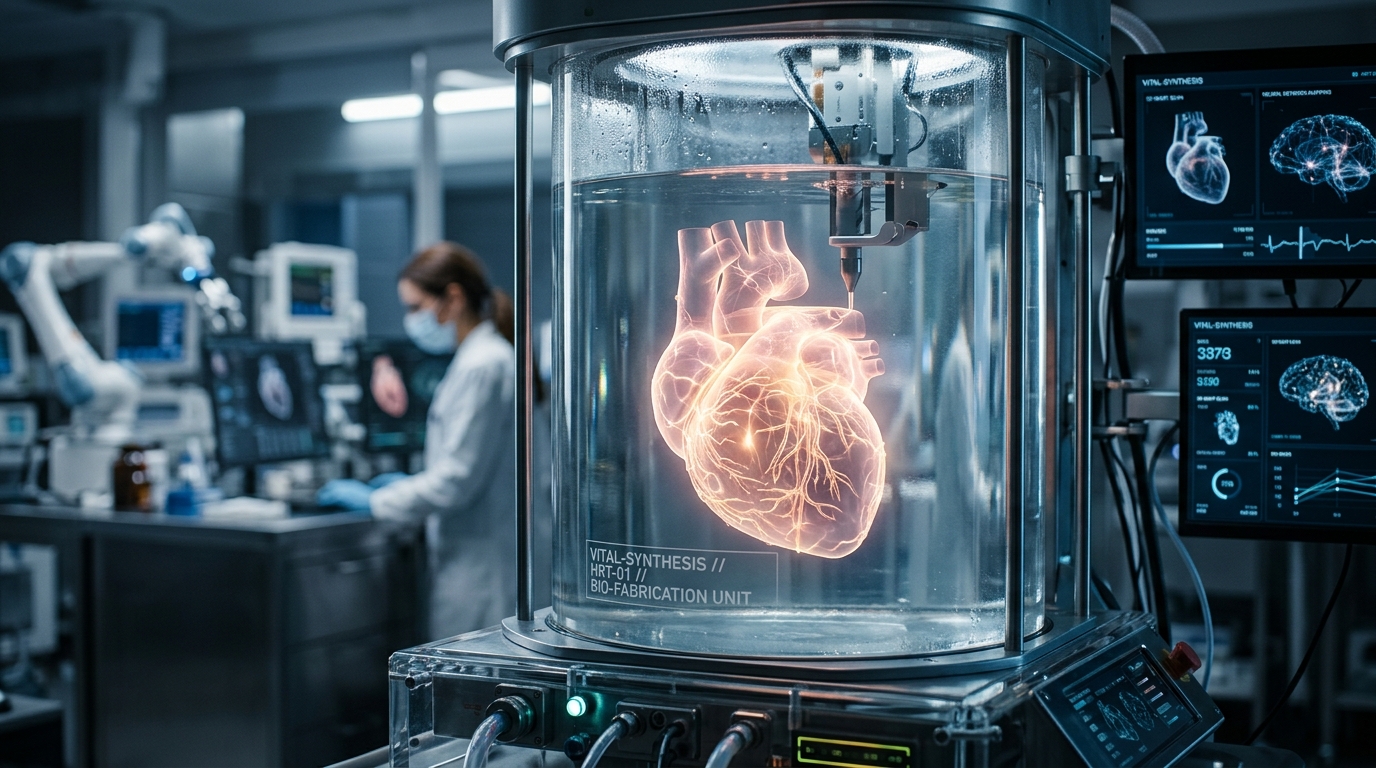
3. 3D Bioprinting Could Revolutionize Organ Creation
Traditional 3D printing builds objects layer by layer. Bioprinting applies a similar concept using living cells and biological materials.
Researchers are experimenting with 3D-printed tissues, blood vessels, cartilage, and organ components. The long-term goal is to print fully functional organs tailored to individual patients.
Although significant challenges remain, bioprinting is rapidly becoming one of the most exciting areas in regenerative medicine.
4. Artificial Organs Are Becoming More Sophisticated
Mechanical devices have already transformed treatment for some patients with organ failure.
Artificial hearts, ventricular assist devices, and advanced dialysis systems continue to improve in performance and reliability. Researchers are also developing next-generation bioartificial organs that combine living cells with engineered devices.
These technologies could serve as bridges to transplantation—or potentially replace the need for donor organs in some cases.
5. Machine Perfusion Is Extending Organ Survival
Traditionally, donor organs are preserved on ice during transportation. New machine perfusion systems offer a more advanced alternative.
These devices continuously circulate oxygen and nutrients through organs outside the body, helping keep tissues healthier for longer periods. Some systems even allow doctors to assess organ function before transplantation.
This technology may increase the number of usable organs and improve transplant outcomes.
6. Researchers Are Learning How to Reduce Organ Rejection
One of the greatest challenges after transplantation is immune rejection.
Scientists are developing innovative methods to train the immune system to accept transplanted organs more effectively. New approaches aim to promote immune tolerance, potentially reducing the need for lifelong immunosuppressive medications.
Achieving long-term tolerance remains a major goal in transplant research.
7. Stem Cell Therapies May Improve Organ Repair
Stem cells possess the unique ability to develop into different types of specialized cells.
Researchers are studying how stem-cell-based therapies could repair damaged tissues, support transplanted organs, and enhance healing after surgery. In some cases, these therapies may even delay or prevent the need for transplantation altogether.
The field continues to expand as scientists better understand how stem cells interact with injured organs.
8. Personalized Medicine Is Changing Transplant Care
No two transplant patients are exactly alike.
Advances in genetics and biomarker testing are helping physicians tailor treatment plans to individual patients. Personalized medicine may allow doctors to predict rejection risks, optimize medication choices, and monitor transplant health more accurately.
This customized approach could improve both safety and long-term outcomes.
9. Improved Matching Techniques Are Increasing Success Rates
Finding the best donor-recipient match is critical for transplant success.
Modern genetic analysis provides far more detailed compatibility information than was available in previous decades. Researchers continue refining matching systems to reduce rejection risk and improve graft survival.
Better matching strategies may help patients achieve longer-lasting transplant function.
10. Artificial Intelligence Is Assisting Clinical Decisions
Artificial intelligence is becoming an increasingly valuable tool in healthcare, including transplantation.
AI systems can analyze vast amounts of clinical data, helping doctors identify patterns related to donor selection, organ preservation, rejection risk, and long-term outcomes.
As these technologies improve, they may support faster and more informed decision-making throughout the transplant process.
11. Organ Regeneration Research Is Expanding Rapidly
Instead of replacing damaged organs, some scientists are investigating ways to help organs regenerate themselves.
Researchers are exploring biological signals that stimulate tissue repair and regeneration. While full organ regeneration remains a long-term goal, early findings suggest certain tissues may possess greater healing potential than previously believed.
This approach could eventually reduce the need for transplantation in some conditions.
12. Nanotechnology May Improve Drug Delivery
Nanotechnology involves manipulating materials at extremely small scales.
In transplant medicine, researchers are studying nanoparticle-based systems that could deliver medications more precisely to target tissues. Such approaches may improve treatment effectiveness while minimizing side effects.
Future therapies could help protect transplanted organs without exposing the entire body to high levels of immunosuppressive drugs.
13. Ex Vivo Organ Repair Is Opening New Possibilities
Scientists are beginning to repair and improve donor organs outside the body before transplantation.
Using specialized preservation systems, researchers can evaluate organ function, deliver therapies, remove damaged cells, and potentially reverse certain forms of injury.
This emerging field may allow doctors to rescue organs that would previously have been considered unsuitable for transplantation.
14. Bioengineered Blood Vessels Could Support Future Transplants
Healthy blood vessels are essential for successful transplantation.
Researchers have developed experimental bioengineered blood vessels that may one day be used to support complex surgical procedures and tissue engineering projects. These laboratory-created vessels could improve organ integration and long-term function.
Advances in vascular engineering are helping lay the groundwork for future regenerative therapies.
15. Combined Technologies Could Create a New Era of Transplantation
Perhaps the most exciting breakthrough is not a single innovation but the convergence of many.
Gene editing, stem cell science, bioprinting, artificial intelligence, regenerative medicine, and advanced preservation systems are increasingly being combined to address multiple transplant challenges simultaneously.
Together, these technologies could dramatically reshape how organs are sourced, preserved, implanted, and maintained in the future.
Why These Breakthroughs Matter
The demand for organ transplants continues to exceed the supply of available donor organs. Thousands of patients worldwide remain on waiting lists, and many face significant health risks while waiting for a suitable match.
Emerging technologies offer hope for addressing these challenges. By expanding organ availability, reducing rejection, improving preservation methods, and supporting tissue regeneration, researchers are working toward a future where transplantation is safer, more effective, and more widely accessible.
Many of these innovations are still in development, but progress is accelerating at an extraordinary pace.
Conclusion
Transplant medicine is entering one of the most exciting periods in its history. From gene-edited donor organs and 3D bioprinting to artificial organs and regenerative therapies, scientific breakthroughs are redefining what may be possible in the years ahead.
While challenges remain, the future looks increasingly promising. Researchers around the world are pushing the boundaries of medicine to overcome organ shortages, reduce complications, and improve the lives of transplant recipients.
If these advances continue on their current trajectory, the next generation of transplant medicine may look dramatically different from anything seen before—offering hope to millions of patients who depend on lifesaving organ replacement therapies.