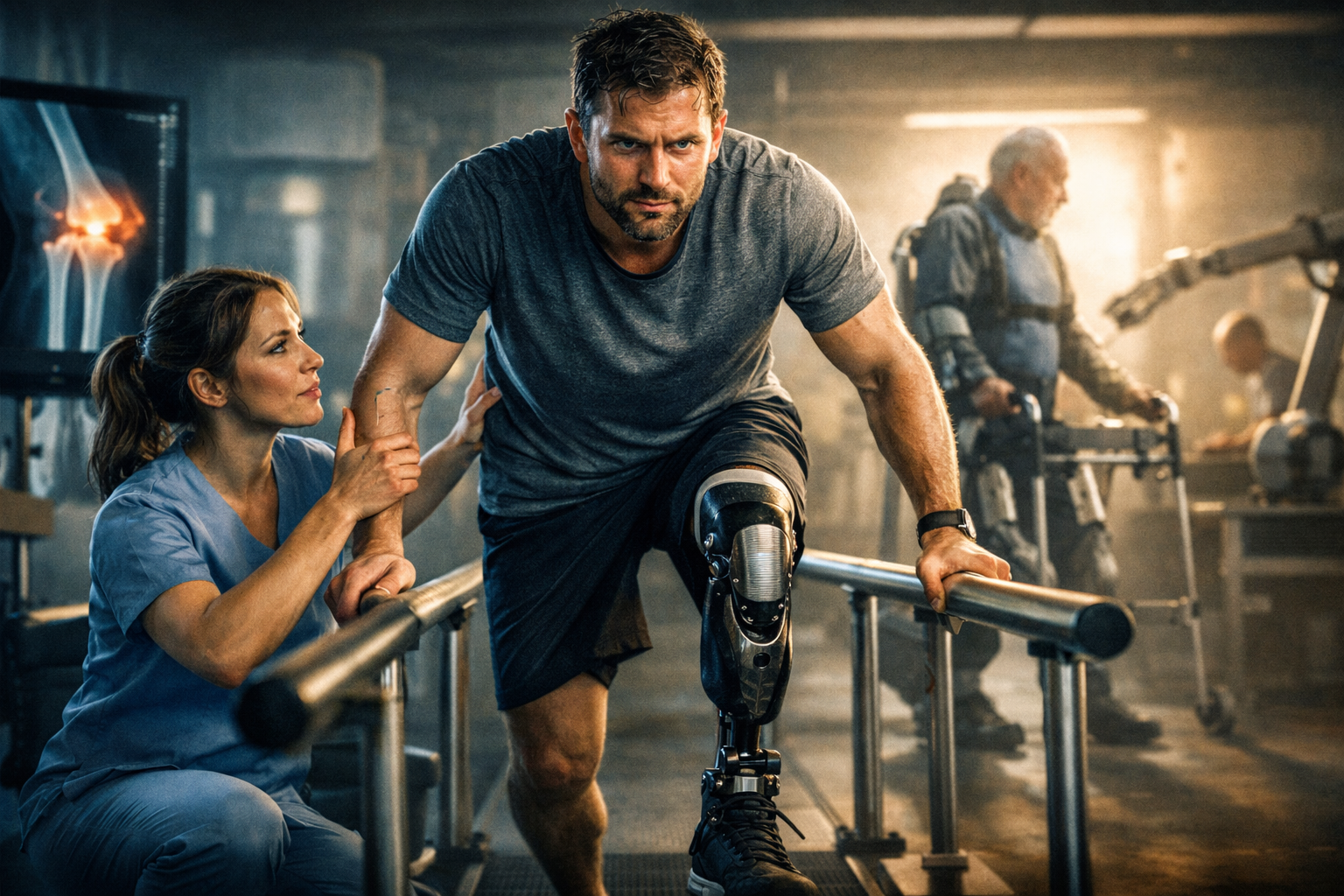
The ability to move, walk, grasp objects, maintain balance, and perform everyday activities is something many people take for granted—until it’s compromised. Whether caused by injury, illness, aging, stroke, neurological disorders, or spinal cord damage, the loss of physical function can dramatically affect a person’s independence and quality of life.
For decades, scientists believed that many forms of physical impairment were permanent. However, advances in neuroscience, regenerative medicine, rehabilitation science, and biomedical technology are challenging that assumption. Researchers around the world are discovering new ways to help the body recover, adapt, and sometimes regain abilities that were once thought lost forever.
While every condition and recovery journey is unique, research continues to reveal important insights into how physical function can be restored and improved. Here are 15 fascinating findings that are shaping the future of recovery and rehabilitation.
1. The Brain Can Rewire Itself More Than Scientists Once Believed
One of the most important discoveries in modern neuroscience is neuroplasticity—the brain’s remarkable ability to reorganize itself.
When injury occurs, healthy areas of the brain can sometimes take over functions previously handled by damaged regions. This adaptability helps explain why some people regain movement, speech, or coordination after serious injuries.
Research suggests that targeted therapy and repetitive practice can encourage these neural connections to strengthen over time, improving recovery outcomes.
2. Early Rehabilitation Often Leads to Better Results
Studies consistently show that beginning rehabilitation as soon as medically appropriate can significantly improve recovery.
Early intervention helps prevent muscle loss, joint stiffness, reduced mobility, and other complications that may develop during prolonged inactivity.
Physical therapists often emphasize movement and functional training because the body responds best when rehabilitation begins before secondary problems develop.
3. Repetition Plays a Critical Role in Recovery
The nervous system learns through repetition.
Research indicates that performing specific movements repeatedly helps strengthen neural pathways associated with those actions. This process allows the brain and body to improve coordination and rebuild lost skills.
Whether learning to walk again after a stroke or regaining hand function after an injury, repetition remains one of the most powerful tools in rehabilitation.
4. Exercise Supports Healing Beyond Muscle Strength
Many people associate exercise solely with building muscle, but its benefits extend much further.
Physical activity improves circulation, supports cardiovascular health, reduces inflammation, and stimulates the release of chemicals that promote brain function.
Research suggests that regular exercise can create an environment that supports recovery throughout the body, making it an essential component of many rehabilitation programs.
5. Technology Is Transforming Rehabilitation
Advances in medical technology are opening new possibilities for restoring physical function.
Robotic rehabilitation devices, virtual reality systems, wearable sensors, and computer-assisted therapies are helping patients practice movements with greater precision and consistency.
These tools can provide real-time feedback, track progress, and create personalized rehabilitation experiences that enhance traditional therapy methods.
6. The Nervous System Can Continue Recovering for Years
Many people assume recovery stops after a few months, but research suggests that improvements can continue much longer.
While the fastest gains often occur during the early stages of rehabilitation, the nervous system remains capable of adaptation well beyond initial recovery periods.
Long-term therapy, continued physical activity, and consistent practice can lead to meaningful progress even years after an injury or diagnosis.
7. Mental Health Influences Physical Recovery
The connection between mind and body is stronger than many people realize.
Depression, anxiety, chronic stress, and low motivation can affect participation in rehabilitation programs and influence recovery outcomes.
Research increasingly supports a holistic approach that addresses both physical and emotional well-being. Patients who receive psychological support often experience better overall rehabilitation results.
8. Sleep Is Essential for Recovery
Quality sleep plays a crucial role in healing and neurological function.
During sleep, the body repairs tissues, regulates hormones, and consolidates learning processes that help reinforce newly practiced skills.
Researchers have found that poor sleep may interfere with recovery efforts, making adequate rest an important component of rehabilitation plans.
9. Nutrition Supports the Body’s Repair Processes
Recovery requires energy and resources.
Proper nutrition provides the building blocks needed for tissue repair, muscle maintenance, immune function, and overall health.
Studies suggest that balanced diets rich in protein, vitamins, minerals, and healthy fats can support rehabilitation and improve long-term outcomes.
While nutrition alone cannot restore lost function, it contributes significantly to the body’s ability to heal.
10. Regenerative Medicine Is Creating New Possibilities
One of the most exciting developments in modern healthcare involves regenerative medicine.
Researchers are exploring how stem cells, tissue engineering, and biological therapies might help repair damaged tissues and restore function.
Although many treatments remain experimental, early research suggests regenerative approaches could play an increasingly important role in future rehabilitation strategies.
The field continues to evolve rapidly as scientists seek ways to enhance the body’s natural healing abilities.
11. Functional Training Produces Real-World Benefits
Traditional exercise remains important, but rehabilitation experts increasingly focus on functional training.
Rather than strengthening muscles in isolation, functional exercises mimic everyday activities such as standing, reaching, climbing stairs, and carrying objects.
Research indicates that practicing meaningful tasks often improves independence more effectively because it directly targets real-life challenges patients face.
12. Wearable Devices Are Improving Patient Outcomes
Wearable technology has become a valuable tool in modern rehabilitation.
Devices that track movement, balance, walking patterns, and physical activity provide clinicians with detailed information about patient progress.
This data allows therapists to make informed adjustments to treatment plans and helps patients stay engaged with their recovery goals.
As technology advances, wearable devices are expected to play an even larger role in personalized rehabilitation.
13. Motivation Can Influence Recovery Success
Recovery is rarely easy.
It often requires months or years of effort, persistence, and adaptation. Research suggests that motivation plays a significant role in determining how consistently individuals participate in rehabilitation activities.
Goal setting, social support, positive reinforcement, and meaningful milestones can help maintain engagement during challenging recovery journeys.
While motivation alone cannot overcome physical limitations, it often influences the effectiveness of rehabilitation efforts.
14. Personalized Treatment Plans Deliver Better Results
No two patients are exactly alike.
Differences in age, health status, injury severity, genetics, lifestyle, and personal goals all influence recovery potential.
Because of this, modern rehabilitation increasingly emphasizes individualized care plans tailored to each person’s unique circumstances.
Research supports personalized approaches because they allow healthcare providers to address specific challenges while maximizing strengths and opportunities for improvement.
15. The Future of Recovery Looks More Promising Than Ever
Perhaps the most encouraging insight is that rehabilitation science continues to advance at an extraordinary pace.
Researchers are combining neuroscience, artificial intelligence, robotics, regenerative medicine, brain-computer interfaces, and advanced therapies to develop innovative recovery strategies.
Technologies that once seemed futuristic are gradually becoming realities in hospitals and rehabilitation centers around the world.
Although challenges remain, the future offers more possibilities than ever before for individuals seeking to regain lost physical function.
Why These Findings Matter
The significance of these discoveries extends beyond medical research.
Millions of people worldwide live with conditions that affect mobility, strength, coordination, or independence. Every improvement in rehabilitation science has the potential to enhance quality of life, reduce disability, and increase opportunities for meaningful participation in everyday activities.
These advances also help shift public perception. Rather than viewing physical impairment as a fixed outcome, researchers increasingly recognize recovery as an ongoing process influenced by biology, therapy, technology, and personal determination.
Challenges That Still Exist
Despite remarkable progress, important obstacles remain.
Researchers continue working to address issues such as:
- Access to rehabilitation services
- Treatment affordability
- Long-term care needs
- Variability in patient outcomes
- Limited availability of advanced technologies
- Continued scientific understanding of recovery mechanisms
Progress often takes time, and not every intervention works equally well for every individual.
Nevertheless, ongoing research continues to generate valuable insights that improve care and expand possibilities.
Looking Toward the Future
The future of restoring physical function will likely involve a combination of approaches rather than a single solution.
Traditional rehabilitation methods will continue to play an important role, but they may increasingly be enhanced by advanced technologies, regenerative therapies, personalized treatment plans, and data-driven healthcare tools.
As scientific understanding deepens, healthcare providers may be able to design more effective interventions tailored to each person’s unique needs.
This integrated approach could dramatically improve recovery outcomes for future generations.
Final Thoughts
The ability to restore lost physical function has become one of the most exciting areas of modern medical research. Advances in neuroscience, rehabilitation science, technology, and regenerative medicine are revealing new opportunities for recovery that were once considered impossible.
From the brain’s ability to rewire itself to the emergence of cutting-edge rehabilitation technologies, research continues to demonstrate the incredible resilience of the human body.
While recovery remains a complex and highly individual process, one message stands out clearly: the future of rehabilitation is filled with possibility. With continued innovation and scientific discovery, more people may gain opportunities to regain independence, improve mobility, and reclaim important aspects of their daily lives.
For patients, families, and healthcare professionals alike, that future offers genuine reason for optimism.







