
I’m sure you’ve all heard the saying that breakfast is the most important meal of the day. This idea comes from the belief that breakfast acts like an “ignition switch,” setting our metabolism in motion and influencing our energy levels, mental sharpness, and mood for hours afterward.
However, while we often focus on the immediate effects breakfast has on us, the long-term impact that certain foods have on our filtering system—the kidneys—often goes unnoticed.
These two bean-shaped organs play a crucial role in human physiology. They work around the clock, filtering nearly 50 gallons (180 liters) of blood every day. The kidneys perform a delicate balancing act by removing metabolic waste, regulating fluid levels, and maintaining blood pressure with remarkable precision.
According to the National Institute of Diabetes and Digestive and Kidney Diseases, the kidneys also function as a kind of chemical factory. They produce hormones that help control red blood cell production and support bone health.
Because the kidneys work continuously, they are highly sensitive to the long-term effects of our diet.
Recent studies point to an uncomfortable truth: diets high in sodium, processed sugars, and artificial ingredients may contribute to Chronic Kidney Disease (CKD). Still, it’s important to remember that consistency matters most. One unhealthy breakfast is unlikely to damage your kidneys, but years of poor dietary habits can lead to lasting harm.
Below are three unhealthy types of breakfasts that may be putting stress on your kidneys—along with healthier ways to replace them.

1. The “Meat-Heavy” Morning: Processed Proteins and Sodium Overload
For many people, breakfast doesn’t feel complete without bacon, sausage, or ham. While these foods may taste great, they can put serious strain on the kidneys because they are often loaded with sodium, nitrates, and saturated fats.
The biggest issue is sodium. The Centers for Disease Control and Prevention (CDC) notes that excessive salt intake is a major contributor to high blood pressure.
Since the kidneys help regulate blood pressure by controlling fluid balance, too much salt forces them to work harder. Imagine a household water filter running at maximum capacity every single day—it eventually begins to wear down. The same thing can happen to the kidneys’ delicate filtering units, known as nephrons.

In addition, processed meats are often filled with inorganic phosphates to preserve texture and moisture. Unlike the natural phosphorus found in vegetables, these additives are absorbed more rapidly by the body. Research from the National Kidney Foundation suggests that excess phosphorus can contribute to blood vessel calcification and place additional stress on the kidneys.
Protecting your kidneys does not mean you need to stop eating protein altogether. Instead, it helps to choose cleaner protein sources, such as:
- Pasture-raised eggs — an excellent source of high-quality protein
- Greek yogurt — rich in protein and probiotics without the nitrate burden
- Plant-based alternatives — options like tempeh or lentil-based sausages can provide a similar flavor without overloading the kidneys
2. The “Sugar Rush”: Refined Carbs and the Diabetes Connection
If your breakfast regularly includes plain bagels, sugary cereals, or pastries from a coffee shop, your kidneys may be dealing with repeated spikes in blood sugar. These foods are made from refined carbohydrates that quickly convert into glucose.
This creates an “insulin roller coaster.” According to the American Diabetes Association, long-term high blood sugar is one of the main causes of Type 2 Diabetes.
This matters because diabetes is the leading cause of kidney failure worldwide. Elevated blood sugar damages the tiny blood vessels inside the kidneys, a condition known as diabetic nephropathy. Over time, the kidneys lose their ability to filter waste properly, while important proteins begin leaking into the urine.

Many processed baked goods also contain hydrogenated oils or trans fats, which increase inflammation in the body. This added inflammation can place even more strain on the kidneys.
The goal should be to choose carbohydrates that provide slower, steadier energy without causing major insulin spikes, such as:
- Steel-cut oats — high in soluble fiber that helps regulate blood sugar
- Whole-grain sourdough bread — generally lower on the glycemic scale than white bread
- Berries — blueberries and raspberries provide natural sweetness and antioxidants that may help protect kidney cells from oxidative stress
3. The “Convenience Trap”: Hidden Salts and Ultra-Processed Meals
When people think of salty foods, they usually picture chips or pretzels. But many breakfast foods are also packed with hidden sodium.
Instant oatmeal packets, frozen breakfast sandwiches, canned soups, and packaged noodles often contain large amounts of preservatives designed to extend shelf life.
The World Health Organization (WHO) recommends limiting sodium intake to less than 2 grams per day, yet a single frozen breakfast burrito may contain more than half of that amount.
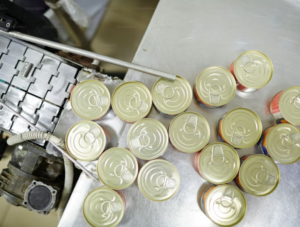
Research published in The BMJ has linked high consumption of ultra-processed foods (UPFs) to metabolic disease.
For the kidneys, ultra-processed foods can be especially problematic because they contain numerous additives and artificial compounds. While the liver handles much of the detoxification process, the kidneys are responsible for filtering out the waste products. A diet dominated by processed foods means the kidneys are constantly under pressure.
Generally, the more natural and minimally processed a food is, the easier it tends to be on the kidneys.
Better alternatives include:
- Avocado toast on whole-grain bread with lemon instead of excessive salt
- Homemade oatmeal made from plain oats with your own healthy toppings
- Following an “80/20” approach by choosing mostly whole, single-ingredient foods
Why “Silent” Damage Is the Most Dangerous
One of the most concerning aspects of kidney disease is that it often develops without noticeable symptoms. According to the WHO, millions of people have reduced kidney function without realizing it.
By the time symptoms such as fatigue, swelling, or changes in urination appear, the kidneys may have already lost 50% or more of their function.
That’s why making proactive dietary choices is more than just a health trend—it is an important form of long-term maintenance.

Tiny Steps Toward Long-Term Well-Being
Taking care of your kidneys does not require dramatic lifestyle changes or strict diets unless you have been diagnosed with a kidney condition. Often, it comes down to making smarter substitutions.
If you prefer savory breakfasts, consider replacing processed meats with options like avocado or boiled eggs. If you enjoy sweet breakfasts, try using fresh fruit instead of sugary syrups or pastries.
And perhaps most importantly: drink enough water. Water helps your organs function more efficiently and supports the kidneys in doing their job.
Conclusion
Your kidneys are incredibly resilient, but they are not indestructible. Processed meats, sugary foods, and sodium-heavy convenience meals place a significant burden on these organs over time.
Choosing healthier breakfast options is not just about eating better today—it is about protecting your long-term health. Your kidneys work tirelessly to keep your body balanced and functioning properly. Giving them healthier fuel each morning is one of the simplest ways to support them.
After all, the best way to deal with a “silent” disease is to be intentional about prevention.
Medical Disclaimer: This article is intended for informational and educational purposes only and should not be considered medical advice. It is not a substitute for professional diagnosis, treatment, or guidance from a qualified healthcare provider.
Always consult your doctor or another qualified medical professional if you have questions about a medical condition, symptoms, or dietary changes. Never ignore or delay seeking medical advice because of information you have read here.
Individual health needs vary, and what works for one person may not be appropriate for another.
Please SHARE this article with your family and friends on Facebook.
Bored Daddy
Love and Peace