
The idea of beauty is one of those rare things in life that becomes more intriguing with time. When we are young, beauty is often seen as something purely biological, shaped by genetics and youthful, smooth skin. But as we age, our understanding of beauty evolves as well. Beauty does not disappear—it changes, becoming more complex and meaningful. It shifts from being mainly aesthetic to something much deeper.
Many women develop a unique kind of elegance over time. They carry a quiet confidence, poise, and charisma that cannot be bought or imitated. Their beauty is not the result of trendy or expensive procedures, but of habits developed consistently over many years.
Instead of chasing perfection—which is impossible and ultimately exhausting—it is more realistic to focus on growth and self-respect.
The following is an exploration of several qualities that contribute to a woman’s natural beauty as she ages, along with the reasons they benefit both the mind and body.

The Art of Posture and Intentional Movement
A person’s posture can communicate more before a greeting than words ever could. Body language is one of the most basic forms of communication and often reflects how a person truly feels. Standing upright, keeping the shoulders relaxed instead of tense, and moving with intention all create an impression of confidence.
Of course, posture naturally changes with age. This can result from muscle weakness, reduced bone density, and years of poor posture caused by sitting too long or constantly looking down at phones. However, research in embodied cognition suggests that posture influences not only how others see us, but also how we feel internally. When a person stands tall, they are not simply pretending to feel confident—they are signaling to the brain that they are secure and in control.
Women who maintain good posture often appear more energetic and youthful because they do not seem to “shrink into themselves.” A steady walk and upright posture create a sense of elegance that has little to do with clothing brands or professionally applied makeup.

Radical Consistency in Self-Care
Healthy skin is not necessarily the result of complicated nighttime routines or expensive products. Dermatological research repeatedly points to one important truth: consistency matters more than complexity. Women who radiate health as they age are often those who stopped chasing every new trend and instead developed simple, reliable routines.
Graceful skincare can often be reduced to three essential steps: cleansing, moisturizing, and protection. Sun protection, in particular, is considered critical in preventing premature skin aging. Experts estimate that 80% to 90% of visible skin aging—such as wrinkles, dryness, and uneven tone—is linked to excessive sun exposure. Women who consistently apply SPF over many years often look noticeably different from those who only use it occasionally.
Moisturizing also becomes increasingly important with age. As the skin barrier weakens over time, it becomes less effective at retaining moisture and lipids. Keeping the skin hydrated helps support this barrier, allowing the skin to remain softer, healthier, and more resilient. It is not about how expensive a product is, but about maintaining consistency. These women treat skincare as long-term care rather than a last-minute solution.

Personal Style Over Fleeting Trends
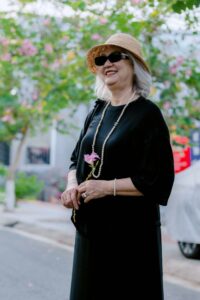
There is a major difference between being fashionable and having personal style. Fashion follows trends set by the industry, while style reflects identity and individuality. Many women experience a boost in confidence once they stop trying to follow trends designed for younger people and begin developing a look that reflects who they truly are.
This is not about vanity, but about a psychological concept known as enclothed cognition. Research suggests that the clothes people wear can influence how they think and feel. When women wear clothing that suits their body, feels comfortable, and reflects their personality, it positively affects confidence and self-perception.
As women age and become more comfortable in their appearance, they often choose clothing that complements their body and highlights their natural features rather than hiding behind oversized or ill-fitting outfits. Many also become skilled at understanding which colors enhance their appearance and which do not. Their goal is not to follow trends or attract attention, but to express authenticity.
The Softening of Expressions
A smile is one of the most universally attractive qualities a person can have. It immediately creates warmth and makes interactions feel more inviting. Beyond social benefits, repeated facial expressions can also influence physical appearance over time.
The face gradually reflects a person’s most common emotional patterns. Constant tension or frowning can contribute to a permanently hardened appearance. In contrast, keeping the face relaxed, softening the jaw and brows, and maintaining a warm expression can shape the aging process differently.
There also appears to be a fascinating feedback loop involved. Research suggests that smiling—even when done intentionally—can encourage the brain to release neurotransmitters such as dopamine and serotonin. By smiling more often, women may help support a more positive mood, making them appear more vibrant and approachable. Their youthful appearance may not simply come from fewer wrinkles, but from the fact that their expressions are shaped by warmth and happiness.

Cultivating a “Lively” Mind
As mentioned earlier, beauty cannot only be understood on the surface because it is deeply connected to the mind. Curiosity and mental engagement create a spark in the eyes and energy in conversation. We have all met young people who seem emotionally old because they stopped learning or growing, while some people over 80 appear youthful because they remain curious about the world around them.
Research on cognitive health shows that staying mentally active—through reading, learning new skills or languages, social interaction, or solving puzzles—helps maintain brain flexibility and emotional resilience. Mental stimulation keeps personality vibrant and engaged.
A positive outlook also plays an important role. Although aging naturally brings loss and change, maintaining optimism can help reduce the emotional burden of aging. Chronic stress has long been associated with accelerated aging at the cellular level. Women who focus on gratitude, curiosity, and personal growth often carry a sense of emotional lightness that makes them more engaging and attractive.

Movement as Self-Care, Not Punishment
Exercise is often marketed as a way to “fix” the body, but women who age gracefully tend to see movement differently. They exercise not to chase perfection or punish themselves for eating, but because movement helps them feel alive and well.
Research shows that moderate, consistent activity is often more beneficial than occasional intense workouts. Walking, stretching, yoga, and other forms of gentle exercise improve circulation, helping deliver oxygen and nutrients to the skin. Physical activity also supports joint health, hormone balance, mood, and sleep quality.
Exercise is especially important for maintaining muscle mass. As people age, muscles naturally decrease in size and strength—a condition known as sarcopenia. Maintaining muscle supports both physical ability and overall appearance. When a woman views exercise as an act of self-respect rather than punishment, she is more likely to stay consistent and maintain a healthy lifestyle. The result is often a woman who appears active, energetic, and strong rather than exhausted.
Conclusion
Looking beautiful at any age is not about trying to reverse time. It is about alignment—the point where how you feel internally, how you care for your body, and how you present yourself to the world all work together.
What stands out most in women who age gracefully is not the absence of wrinkles or a certain dress size. It is their presence. They appear comfortable in their own skin. They build habits that support their well-being, and over time, those habits become visible in the way they carry themselves, the way they listen, and the energy they bring into a room.
Confidence, consistency, and self-acceptance create a kind of beauty that does not fade. In many ways, it is the only kind of beauty that truly improves with time. Ultimately, the most meaningful transformation does not come from a product, but from the quiet understanding that taking care of yourself is one of the most valuable things you can do.
Please SHARE this article with your family and friends on Facebook.
Bored Daddy
Love and Peace