Self-awareness is one of the most valuable skills a person can develop, yet it doesn’t come equally easily to everyone. Some people naturally spend time reflecting on their thoughts, emotions, and behaviors, while others need more intentional effort to understand what drives them.
The ability to understand yourself influences nearly every part of life. It shapes how you react to challenges, communicate with others, build relationships, and recognize when change is needed. Greater self-awareness often leads to better decision-making, stronger emotional intelligence, and continuous personal growth.
Fortunately, self-discovery doesn’t always have to involve deep introspection or lengthy journaling sessions. Sometimes it can be surprisingly entertaining.
That’s one reason optical illusions continue to fascinate people. These images challenge the brain to interpret what it’s seeing, often revealing how different people perceive the same visual information in completely different ways. While these illusions aren’t scientific personality tests, they can spark interesting conversations and encourage self-reflection.
Here are eight popular optical illusions and the personality insights often associated with them.
1. Which Way Is the Figure Moving?
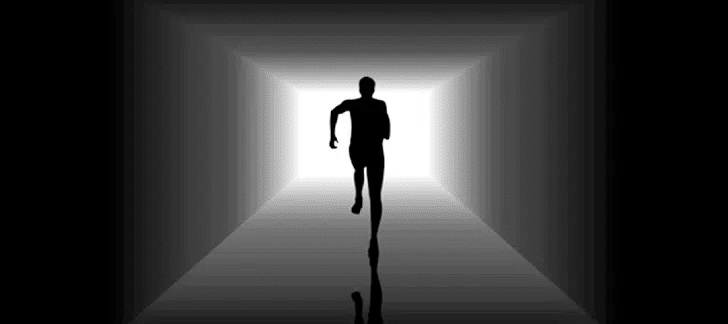
One of the most well-known optical illusions features a person who appears either to be walking toward you or away from you.
Although the image itself doesn’t move, your brain automatically chooses one interpretation.
If the figure appears to be walking away:
You may be someone who prefers careful analysis before making decisions. You tend to think things through, evaluate possibilities, and consider consequences before taking action.
People with this mindset often:
- Enjoy problem-solving
- Think strategically
- Handle multiple tasks well
- Trust logic and observation
If the figure appears to be walking toward you:
You may be highly focused and detail-oriented. You prefer understanding every aspect of a situation and often take pride in doing things thoroughly.
People in this category are often:
- Organized
- Methodical
- Perfectionistic
- Goal-focused
Neither interpretation is better than the other—it simply highlights different ways people process information.
2. Do You Notice the Cat or the Mouse First?

This illusion typically contains both a predator and prey hidden within the same image.
What captures your attention first may reflect how you approach life.
If you see the cat first:
You may be naturally cautious and strategic. You prefer preparation over impulsive action and often feel more comfortable when you understand what you’re dealing with.
Common traits include:
- Careful planning
- Risk awareness
- Patience
- Strong decision-making skills
If you see the mouse first:
You may be more adventurous and spontaneous. Rather than overanalyzing every possibility, you’re often willing to take chances and learn through experience.
You may value:
- Freedom
- Exploration
- Creativity
- Flexibility
This illusion often reflects the balance between security and adventure in your personality.
3. Do You See Lips or a Sunset?

This image tends to reveal differences in outlook and emotional perspective.
If you notice the lips first:
You may be someone who prefers realism over idealism. You’re practical, direct, and focused on facts rather than wishful thinking.
You likely:
- Value honesty
- Prefer straightforward communication
- Think critically
- Focus on reality rather than fantasy
If you notice the sunset first:
You may be naturally optimistic and emotionally open. You often look for the positive side of situations and enjoy helping others.
Common characteristics include:
- Compassion
- Empathy
- Creativity
- A positive outlook
This illusion often highlights the difference between practical thinking and idealistic thinking.
4. Do You See Clouds or a Fish?

Some people immediately see floating clouds, while others notice the shape of a fish.
If you see clouds:
You may be highly adaptable and comfortable with uncertainty. You tend to go with the flow and embrace new experiences as they come.
You likely:
- Enjoy flexibility
- Adapt quickly to change
- Appreciate freedom
- Avoid rigid routines
If you see the fish:
You may place greater importance on relationships and loyalty. Strong social connections often play a central role in your life.
People who see the fish first are often:
- Loyal
- Caring
- Relationship-oriented
- Deeply connected to friends and family
This illusion reflects the balance between independence and belonging.
5. A Wine Glass or Two Forks?

This illusion explores whether your attention naturally focuses on the foreground or the surrounding details.
If you see the wine glass first:
You may be highly goal-oriented and focused on achievement. You know what you want and are willing to work hard to get there.
Traits often include:
- Ambition
- Determination
- Focus
- Strong personal drive
If you see the forks first:
You may be more emotionally attuned to others. Relationships, empathy, and understanding often play a larger role in your decisions.
Common qualities include:
- Compassion
- Emotional intelligence
- Generosity
- Supportiveness
This illusion highlights how you balance personal goals with concern for others.
6. Do You Notice Small Details or the Big Picture?

Some visual tests focus less on a specific object and more on how your eyes scan an image.
If you immediately notice smaller details:
You may lean toward introversion. You often enjoy deeper conversations, quieter environments, and meaningful one-on-one interactions.
You likely:
- Observe carefully
- Reflect deeply
- Prefer quality over quantity in relationships
- Enjoy thoughtful discussion
If you notice the larger image first:
You may be more outgoing and energized by social interaction.
You may:
- Enjoy group settings
- Think broadly
- Focus on overall impressions
- Feel comfortable in busy environments
This reflects different approaches to processing social information.
7. Do You Focus on the Flaws?

Some illusions encourage viewers to notice imperfections within an image.
If your attention immediately goes to what’s “wrong”:
You may be highly self-critical and hold yourself to demanding standards.
This often comes with strengths such as:
- Motivation
- High achievement
- Attention to detail
However, it can also lead to:
- Stress
- Perfectionism
- Difficulty celebrating successes
If your attention remains on the larger image:
You may hold high expectations for others or focus more on the external world than on self-criticism.
Neither tendency is inherently good or bad, but recognizing it can be useful for personal growth.
8. What Does the Image Reveal About Relationships?

Some complex illusions contain multiple emotional themes and interpretations.
What you notice first may reflect what you value most in close relationships.
For example, some people are naturally drawn to:
- Affection and physical closeness
- Shared experiences
- Acts of service
- Emotional connection
- Companionship and support
Understanding your emotional preferences can help improve communication and strengthen relationships by making your needs clearer to both yourself and others.
What Do Optical Illusions Really Tell Us?
It’s important to remember that optical illusions are not diagnostic tools or scientifically validated personality assessments.
What they can do, however, is encourage reflection.
Psychologists have long understood that perception is influenced by factors such as:
- Personal experiences
- Mood
- Attention
- Expectations
- Personality traits
Because every brain processes information differently, the things that immediately capture your attention can sometimes reveal interesting patterns about how you think and interact with the world.
The real value isn’t in the illusion itself—it’s in the questions it encourages you to ask.
The Bigger Picture: Self-Awareness Is a Lifelong Process
Self-awareness isn’t something you achieve once and then keep forever. It’s an ongoing process of learning, adapting, and understanding yourself more deeply over time.
Whether through reflection, conversations, life experiences, or even something as simple as an optical illusion, every opportunity to better understand yourself has value.
These visual puzzles won’t provide all the answers, but they can serve as fun reminders that perception is personal, and that the mind often reveals more than we realize.
At the end of the day, self-awareness begins with curiosity—and sometimes a simple image is enough to spark it.
Note: Optical illusions are intended for entertainment and self-reflection purposes only. They should not be considered scientific assessments of personality, intelligence, or mental health.